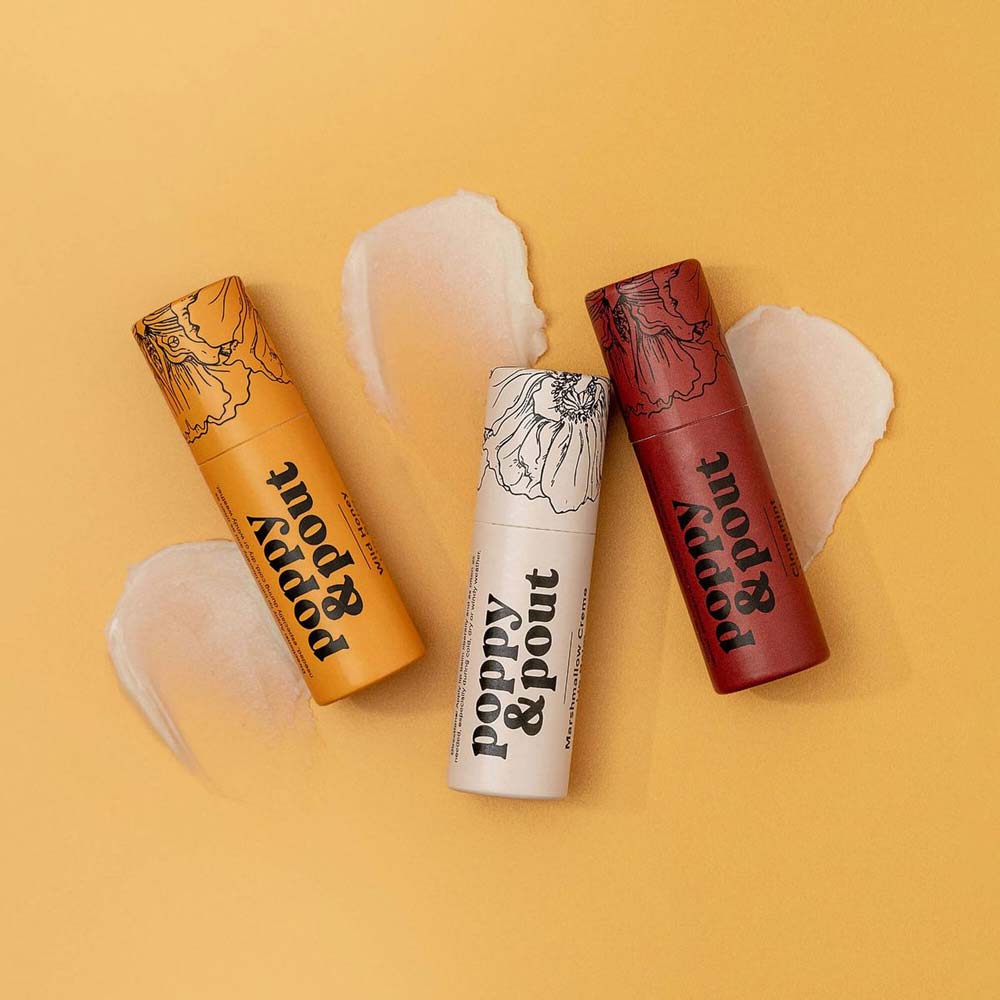
Choosing lip balm packaging sounds straightforward — until things start going wrong.
Maybe the product doesn’t apply smoothly.
Maybe it melts too easily.
Or maybe it just… doesn’t feel right in the customer’s hand.
Most common lip balm packaging mistakes happen when brands focus on short-term decisions instead of how the product, packaging, and brand actually work together.
And the frustrating part?
Most of these mistakes are avoidable.
1. Focusing Too Much on Cost (and Not Enough on Impact)
This is probably the most common lip balm packaging mistakes — and the easiest one to understand.
Packaging costs money. Of course it matters.
But when cost becomes the only deciding factor, things usually go sideways.
“Low-cost packaging can reduce upfront expenses, but it often limits brand perception and long-term value.”
What happens in real life:
- The packaging looks generic
- The product feels less premium
- Customers don’t remember the brand
And over time, that costs more than you saved.
2. Ignoring Product Compatibility
Not all lip balm formulas behave the same way — and not all packaging works with every formula.
This is where a lot of lip balm packaging mistakes start.
“Packaging must be compatible with the product formula to ensure stability, usability, and overall performance.”
For example:
- Softer balms may deform in weaker structures
- Oil-heavy formulas may interact with certain materials
- Heat-sensitive products can create problems in the wrong packaging
This isn’t something you can fix later easily — it has to be considered early.
3. Overlooking User Experience
A package can look great and still fail.
Why? Because of how it feels to use.
Lip balm is one of those products people use often — sometimes multiple times a day.That means small usability issues become very noticeable.
“User experience directly affects customer satisfaction, product perception, and repeat purchases.”
Common issues:
- Difficult push-up mechanisms
- Inconsistent application
- Packaging that feels awkward or unfamiliar
Customers won’t always explain why they don’t like something —
they’ll just stop buying it.
4. Choosing Packaging That Doesn’t Match the Brand
This one is more subtle, but just as important.
Your packaging is often the first thing people see — before they try the product.
So if it sends the wrong signal, it creates confusion.
“Packaging should reflect the brand’s positioning, values, and target audience.”
Examples:
- An eco-focused brand using plastic packaging
- A premium brand using overly basic materials
- A natural product with overly artificial design
Even if the product itself is good, the mismatch creates doubt.

5. Thinking Only About Launch — Not What Comes After
A lot of decisions are made with the launch in mind:
- What’s fastest
- What’s easiest
- What works right now
But packaging doesn’t stay in the “launch phase.”
“Packaging decisions should support long-term growth, consistency, and scalability.”
What often happens later:
- The brand grows → packaging can’t scale
- New products are added → packaging doesn’t fit
- Quality becomes inconsistent → customers notice
Fixing packaging after launch is always harder — and more expensive.
6. One More Thing Brands Often Miss
This doesn’t always get talked about, but it matters.
A lot of brands treat packaging as a separate decision.
In reality, it’s not.
“The best packaging decisions happen when product, brand, and user experience are considered together — not in isolation.”
That’s usually the difference between packaging that “works”
and packaging that actually helps a brand grow.
Conclusion
Most lip balm packaging mistakes aren’t caused by bad materials or bad suppliers.
They come from decisions made too quickly — or with too narrow a focus.
“Avoiding common lip balm packaging mistakes is less about finding the perfect solution and more about making better, more informed decisions early on.”
If you’re currently reviewing your packaging options, it’s worth stepping back and looking at the bigger picture.