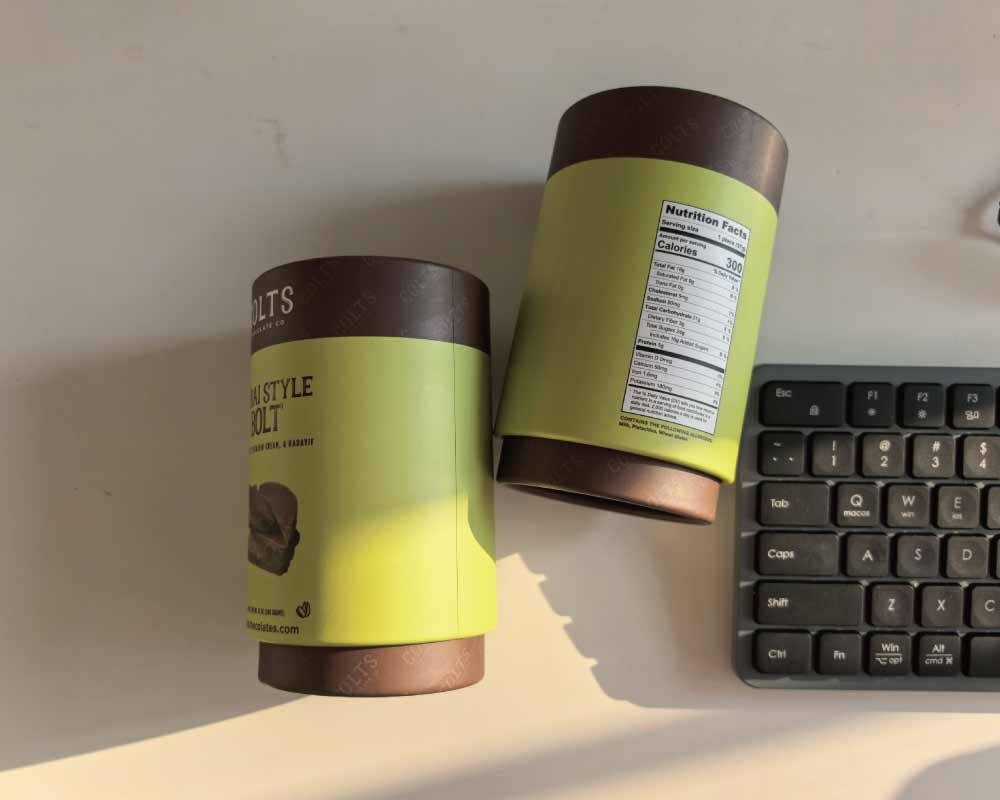
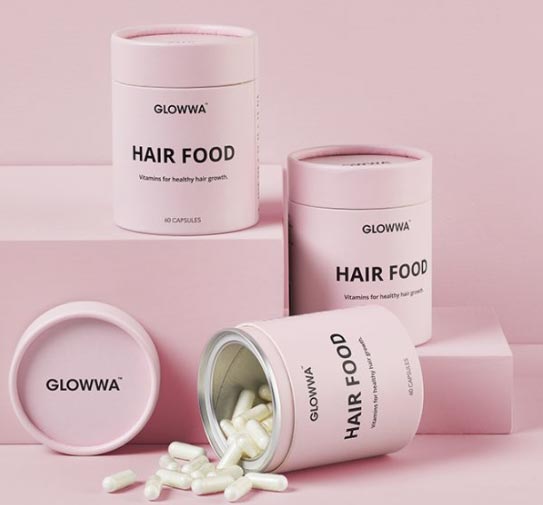
Supplement brands are looking for the right Supplement Tube Packaging to stand out in a competitive market. This guide will help you understand everything about Supplement Tube Packaging and also assist you in finding the right supplier for your brand.
Tube packaging supplement is becoming a practical alternative to traditional bottles and jars in the wellness industry. As brands look for packaging that is more sustainable, portable, and visually distinctive, tube packaging offers a flexible solution that works across a wide range of supplement formats without compromising functionality or shelf appeal.
Executive Summary
- Definition: Tube packaging supplement refers to cylindrical containers (paperboard, plastic, or metal) specifically designed for dietary supplements, vitamins, powders, capsules, gummies, and related products.
- Benefits: Tubes offer strong barrier protection (with foil or laminate lining), lightweight design, and full-wrap branding space. They meet consumer demands for freshness, portability, and sustainability.
- Suitability: Ideal for solid or powdered supplements (protein powders, capsule/tablet counts up to ~90, collagen, herbal blends, probiotics, gummies, etc.).
- Airtight & Food-Grade: With the right inner liner (e.g. food-grade aluminum foil or plastic) and tight-fitting lid, tubes can be made effectively airtight to protect contents. All materials and adhesives are FDA/EU-compliant for food contact.
- Customization: Tube packaging allows 360° printing and many finishing options (matte/soft-touch, embossing, foil stamping, windows) and special closures (flip-top, CNC-fitted caps, child-resistant lids) to differentiate brands.
- Decision Tips: Choose tube packaging for solid supplements needing moderate-to-high barrier. Decide material (paperboard, plastic, aluminum, laminated) based on shelf-life requirements and brand values (see flowchart below).
What is Supplement Tube Packaging?
Supplement tube packaging refers to cylindrical containers used as a primary package for vitamins, nutraceuticals, and dietary supplements. Unlike standard pill bottles or blister packs, tubes can be made from paperboard, plastic, aluminum, or multi-layer laminates. The industry has found that composite paper tubes (paperboard outer layer with an inner foil or plastic liner) are particularly effective for supplements. In this format, the outer paper gives structure and a printable surface, while an inner lining (e.g. food-grade aluminum foil or PE) provides barrier protection. A typical supplement tube consists of a paper or cardboard tube, a base (often paperboard), an inner liner, and a cap. This geometry gives a 360° printable canvas for branding and a premium “gift” appearance that stands out on shelves.
Tube packaging for supplements is gaining traction as brands seek more sustainable and eye-catching packaging. It is essentially a modern alternative to plastic bottles or tubs, tailored for wellness products. As EarthyCores (2026) notes, “composite tube paper outer, food-grade foil inner… gives barrier protection comparable to pharmaceutical-grade packaging while remaining fully paper-based and recyclable”.

Why are Supplement Brands Using Tube Packaging?
Supplement brands are adopting tube packaging for several practical reasons:
- Superior Protection: Tubes with the right inner liner block oxygen, moisture, and light. For example, a foil-lined paper tube offers a “strong protection” against oxygen and moisture (akin to pharmaceutical standards). This helps supplements retain potency through their shelf life.
- Lightweight & Portable: Composite tubes can weigh 40–50% less than an equivalent-size plastic bottle. This reduces shipping costs and appeals to on-the-go consumers. A slim cylindrical shape is easy to carry in bags or to the gym, matching active lifestyles.
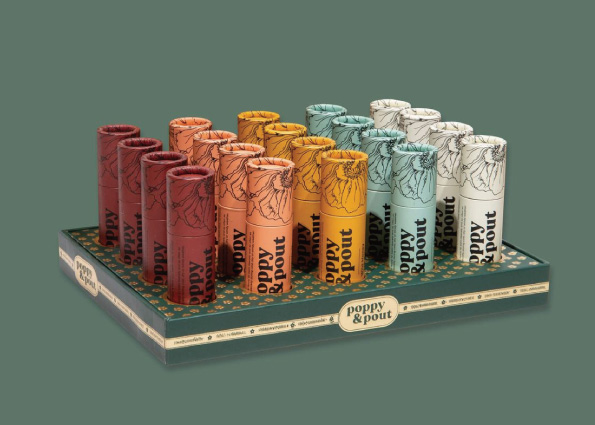
- Brand Presentation: Tubes allow 360° printing and premium finishes that elevate shelf appeal. As one supplier explains, the continuous wrap surface supports full-color graphics, embossing, metallic foil, or soft-touch coatings. Brands use tubes to create a luxury look (like a gift box) or a rustic “eco” vibe depending on design.
- Consumer Trends: Modern consumers prioritize convenience, sustainability, and freshness. Tube packaging addresses these by often being recyclable/compostable (paper tubes), requiring less plastic, and delivering an appealing “pop” when opened (a sign of quality).
- Regulatory & Retail Pressure: Retailers and regulators are pushing away from single-use plastics. Tube containers (especially paper-based) fit the current trend and sometimes even retail mandates. As one analysis notes, “market data, retail buyer behaviour, and the regulatory direction all point the same way” towards paper-based tubes. Early adopters of tube packaging can position themselves ahead of plastic bans and sustainability requirements.
Key Advantages of Tube Packaging
- Barrier & Freshness: Foil-lined or laminated tubes keep air and moisture out, protecting sensitive ingredients.
- Convenience: Squeeze or pull-out action is easy and mess-free; even the last bit of powder or pill can be used.
- Eco-Friendliness: Many tubes are made from FSC-certified paper or recycled materials, and some are fully compostable.
- Cost & Logistics: Tubes pack tightly and ship light, saving storage and freight costs.
- Differentiation: Unique shape and premium feel help a supplement stand out in a crowded market.

What Products Can Use It?
Tube packaging is best suited for dry or solid supplements. Typical applications include:
- Powdered supplements (e.g. protein mixes, collagen powder, greens blends) in 100–500g single-serve or multi-serve packs.
- Capsules or tablets (often up to ~90-count tubes). Tubes can hold loose pills or be used as an outer sleeve around a blister pack.
- Gummies and chewables, which slide easily out of a cylinder.
- Effervescent or soluble tablets: packed in a tube with airtight lid.
- Botanicals and herbal extracts in loose or enclosed forms.
- Premium vitamin sets or gift packs: e.g. a multi-pack of different supplements in one decorative tube.
In practice, brands have used tubes for whey/collagen powders, capsule vitamins, probiotic blends, herbal remedies, energy supplements, and more. Manufacturer sites list uses from “protein powder, capsules/supplements, collagen, probiotics, gummies, effervescent fitness tablets…”. As a rule, tube packaging supplements work best for shelf-stable, solid formats where pouring or scooping is involved.
Can It Be Airtight?
Yes. Tube packaging can be made effectively airtight with the right design:
- Inner Liners: Paper or cardboard tubes are usually fitted with a liner layer (aluminum foil, PE, or metallized film) that is bonded to the inside. This liner blocks gas and moisture transmission.
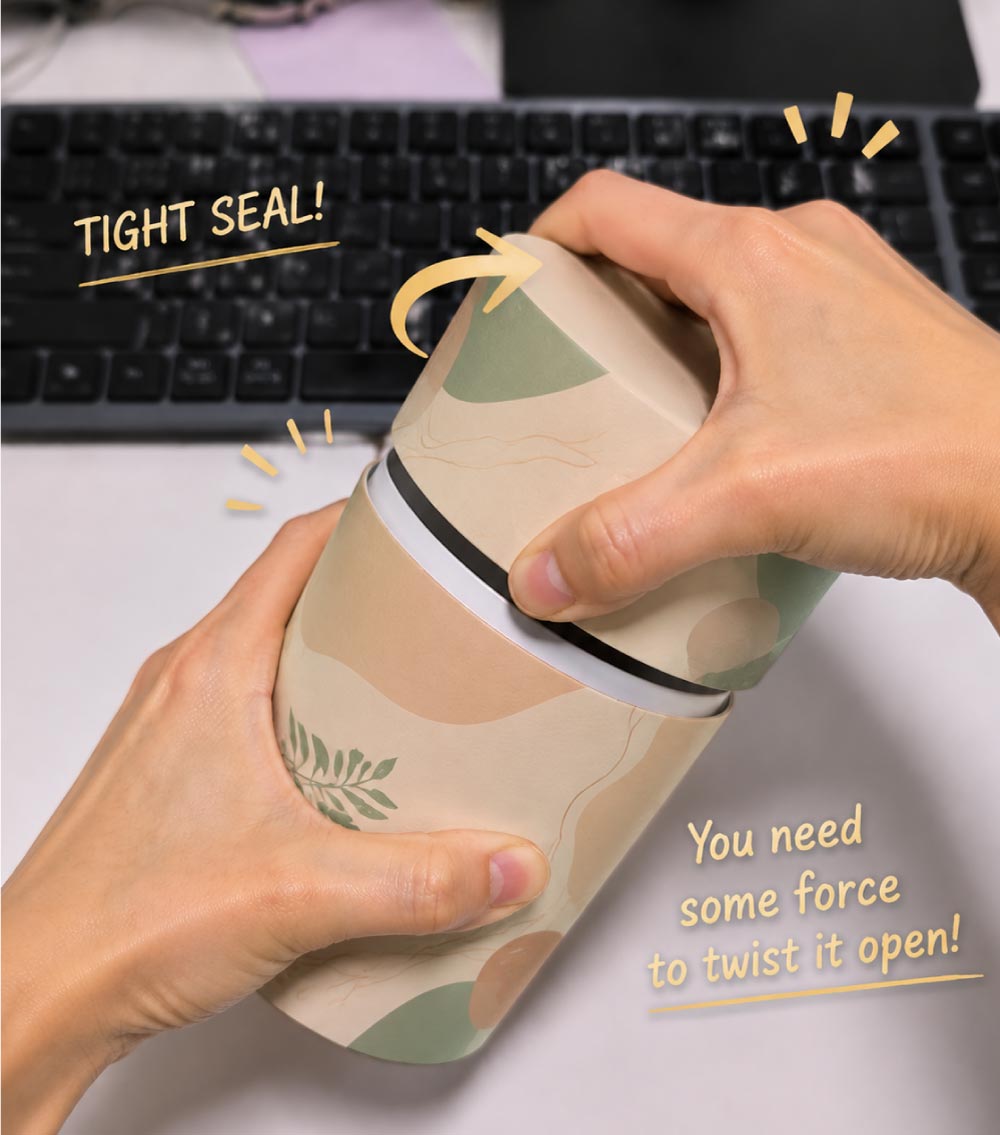
- Caps and Seals: The tube typically has a tight-fitting top or friction-fit cap. For example, CNC-cut, snug-fit lids create a “pop” sound and keep the tube sealed. Some tubes use heat-sealed plugs under the cap for tamper-evidence.
- Teardrop Liners and Gaskets: Some designs use an inserted ring or gasket under the cap for extra seal.
- When these elements are combined, the result is an airtight container that prevents moisture ingress and oxygen exposure. For instance, suppliers claim these tubes “enjoy secure storage…providing an airtight seal that prevents moisture and contaminants”.
It’s important to specify the barrier level needed. A plain paper tube without liner offers almost no barrier. In contrast, a foil-lined composite tube is explicitly designed to be airtight – EarthyCores notes that foil prevents oxygen and moisture at levels comparable to pharmaceutical packaging. In summary, supplement tubes can be (and usually are) airtight, provided they include food-grade lining and well-designed closures.

Is It Food-Grade?
Yes. All tube packaging intended for supplements must use food-grade materials and manufacturing:
- Material Compliance: The inner liner (foil or plastic) must meet food-contact regulations (e.g. FDA 21 CFR in the US or EU Regulation 1935/2004). Many liners are certified FDA-compliant aluminum or PE.
- Paper/Board Standards: The paper or cardboard used is typically FSC-certified, virgin or recycled board that is approved for food contact.
- Adhesives & Inks: Food-safe, low-migration glues and soy-based inks are commonly used, with certification for food use.
- Production Facilities: Reputable tube manufacturers often operate in BRCGS/FSSC-certified plants and offer documentation that their process meets food-grade and supplement industry standards.
In short, supplement tube packaging is treated as food-contact packaging. Manufacturers emphasize that certifications (FSC for paper, BRCGS for factory, FDA compliance for liners) are needed. A composite tube often advertises “food-grade foil lining” and “FDA-compliant materials” as standard features. When you ask a supplier, key questions include “Is the inner lining food-grade and certified?”. With proper design, these tubes are fully safe for ingestible products.
Customization Options
One of the main strengths of tube packaging is the endless customization:
- Printing and Graphics: Full-wrap printing (360° of the tube) allows vivid multi-color designs. Digital and offset printing can achieve brand colors, gloss/matte coatings, and effects like soft-touch varnish.
- Finishes: Options include embossing, debossing, spot UV (spot gloss), foil stamping (metallic accents), special coatings (matte or soft-touch), and textured papers.
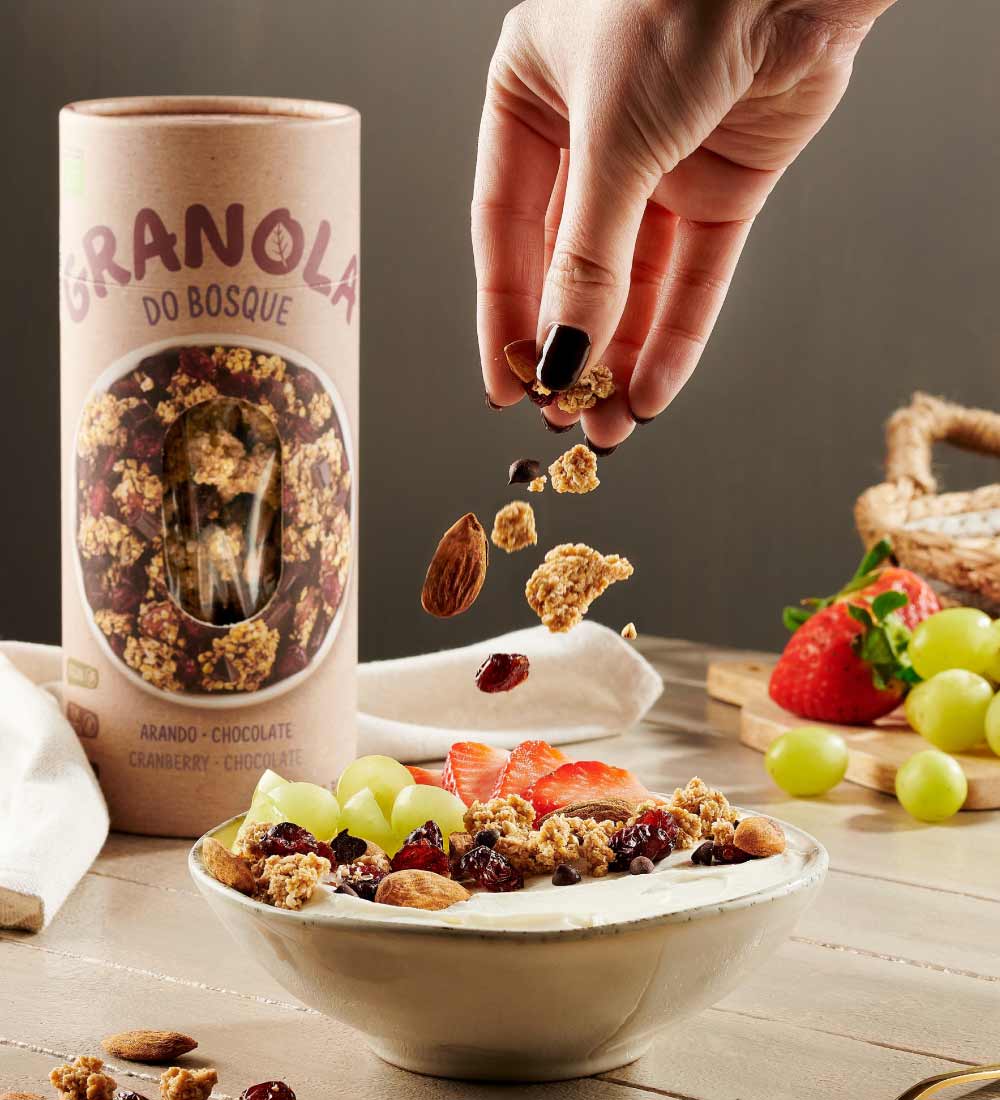
- Window / Cut-outs: Some tubes have a clear window or die-cut reveal to show the product inside.
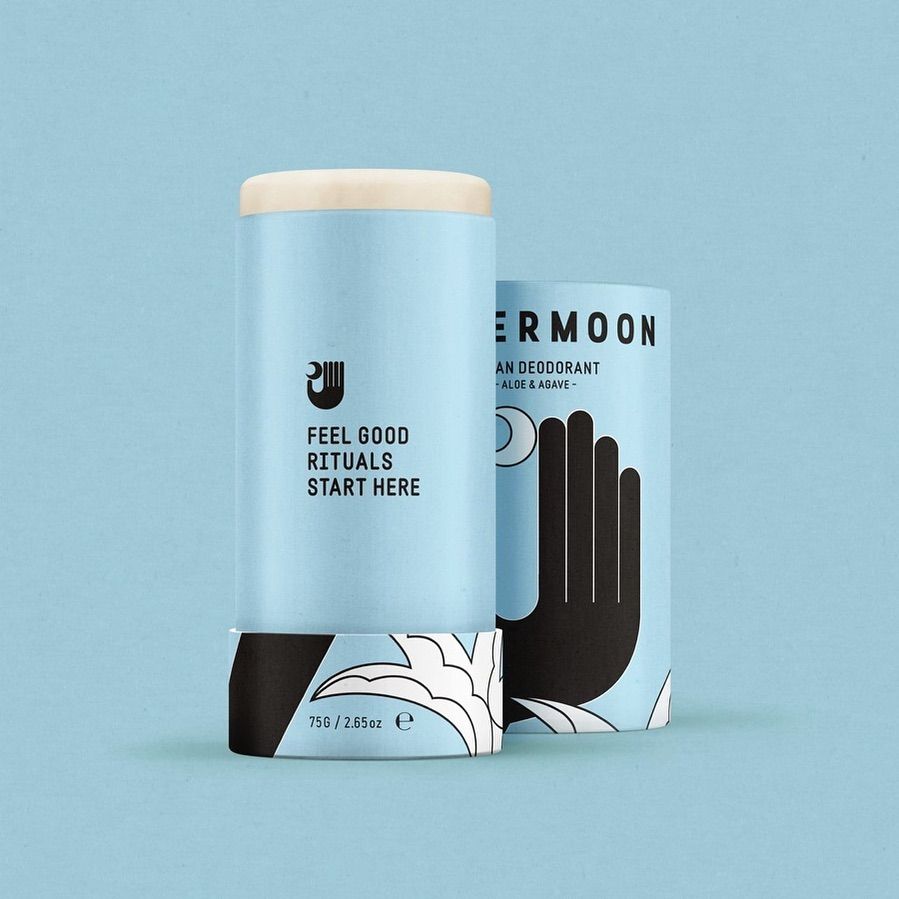
- Shapes & Sizes: Cylinders can be any diameter/height. Brands pick sizes to match capsule count (30, 60, 90 capsules, etc.) or powder fill weight. Even slim “push-up” style tubes (like deodorant sticks) can hold solid tablets or capsules.
- Caps and Closures: Many lid styles exist: simple push-on caps, threaded caps, flip-tops, or push-pull tops. Food tubes often use a friction-fit plastic lid. Child-resistant caps (push-down-and-turn, etc.) are available if needed.
- Plug or Seal Options: A heat-sealable foil plug or powder seal under the cap is common for freshness and tamper evidence.
- Multi-piece Kits: Some packages include inserts, ribbons, or multiple tubes in a box for premium sets.
- Quantity & Prototyping: Advanced suppliers offer short runs (MOQ ~1000) and free prototype kits to test how your product fits.
In practice, brands have used embossing (for luxury feel), UV spot (for logos), and vibrant full-color wraps to catch the eye. Eco-conscious brands may choose natural kraft paper or matte finishes to emphasize sustainability. In summary, from structural design to surface styling, tube packaging is highly versatile to express any brand image.
Conclusion
Supplement tube packaging is a flexible solution that solves many challenges for supplement brands: it protects products from spoilage, reduces weight and material use, and creates a premium unboxing experience. By matching tube materials (paper, plastic, aluminum, laminate) to product needs, manufacturers can keep supplements fresh and compliant, while using the tube’s shape and finishes to reinforce brand identity. Whether for powders, pills, gummies or drink mixes, tubes can be airtight and food-safe when properly specified. As sustainability and user experience become ever more important, tube packaging offers a modern, effective alternative to traditional bottles and jars.
Sources: Packaging industry and manufacturer guides, including expert blogs (EarthyCores, O.Berk), packaging suppliers (E2Global, PackPackaging), and industry news. These sources detail the benefits, materials, and standards of tube packaging in the health and wellness sector.
Looking for high-quality supplement tube packaging that makes your brand stand out? Contact us today and Get Your Free Quote in just a few clicks!