Let me be straight with you.
Most clothing brands spend months on their designs, a small fortune on fabric, and real creative energy on their photography — then ship everything out in a plain brown box or a white poly mailer with a sticker slapped on the front.
And customers notice. Not always consciously. But they notice.
Packaging is the first physical thing your customer touches. Before they feel the fabric. Before they see the fit. They hold the box, the bag, the tube — and in that moment, they are already forming an opinion about your brand. That opinion is hard to reverse once it is set.
So if you are a clothing brand that is serious about growing, keeping customers, and charging what your products are actually worth, it is time to think seriously about custom clothing packaging.
This guide covers everything — the formats available, what they cost, what works for different types of apparel, and a packaging option that most fashion brands have not discovered yet but probably should.

The packaging problem most clothing brands have
Here is the honest situation most brands find themselves in. They either use packaging that is too basic (hurts the premium feel) or too expensive to scale (custom rigid boxes that cost more per unit than some of the clothes inside them).
The sweet spot — packaging that looks genuinely premium, protects garments well during shipping, reflects the brand properly, and lands at a price that makes business sense — is achievable. But you have to know your options.
Let’s go through them properly.
Custom apparel boxes
This is the format most clothing brands think of first when they go looking for custom packaging. A box, usually rectangular, that opens to reveal the folded garment inside. Rigid or semi-rigid. Clean edges. Full custom print on the outside.
Done well, custom apparel boxes are excellent. They stack cleanly in a retail environment. They present beautifully on a shelf or under a Christmas tree. They photograph well for product pages and social media. And they give customers the tactile sense that what they are opening is worth something.
The most common styles are a lift-off lid (a separate top and base piece), a hinged magnetic closure for a more luxury feel, or a simple tuck-end folding box for a more casual price point.
Custom apparel boxes with a logo are particularly powerful for clothing that gets purchased as gifts — which covers a significant portion of most clothing brands’ sales. Nobody wants to buy a gift and then have to immediately put it in separate gift wrap. If the packaging already looks beautiful, the purchase is complete.
One thing to be realistic about: proper rigid custom boxes come with higher unit costs and typically higher minimum order quantities. They make sense for premium and mid-range clothing brands but can be hard to justify for entry-level price points.

Custom mailer boxes for clothing
Custom shipping boxes for clothing are a more practical version of the premium box. They are designed to survive transit — corrugated construction, strong enough for stacking in a courier van — but still print well on the outside and can be fully branded.
The inside flap trick is one that smart clothing brands use consistently. You print a message, a pattern, or a bold brand statement on the inside of the lid so when the customer opens it, there is a moment of delight before they even see the garment. It is a small thing. It consistently works.
Mailer boxes are the workhorse of direct-to-consumer clothing packaging. If you run a subscription box, a seasonal drop, or a curated gift set, this is probably where you should start.

Packaging bags for clothing brands
Not everything needs a box. Custom clothing packaging bags — branded poly mailers, paper carrier bags, or tissue bags for retail — are lighter, cheaper per unit, and perfectly appropriate for many situations.
Custom apparel bags and custom apparel shipping bags work well for:
- Basics and essentials where the unboxing experience is not the main selling point
- Reorder customers who are buying again for function, not novelty
- Lower price-point garments where box packaging costs would eat too much margin
- Situations where you are shipping multiple items and need flexible sizing
For retail, branded clothing bags serve double duty. They protect the garment at the point of sale and advertise the brand as the customer walks out of the shop and down the street. Custom bags for clothing brands in a retail environment are genuinely one of the highest ROI packaging investments you can make.

The packaging format most clothing brands have never considered
Now here is where it gets interesting.
There is a packaging format that is well-established in the cosmetics and food industries but has been slower to cross over into clothing. Once you see it used well in fashion, you understand immediately why it works.
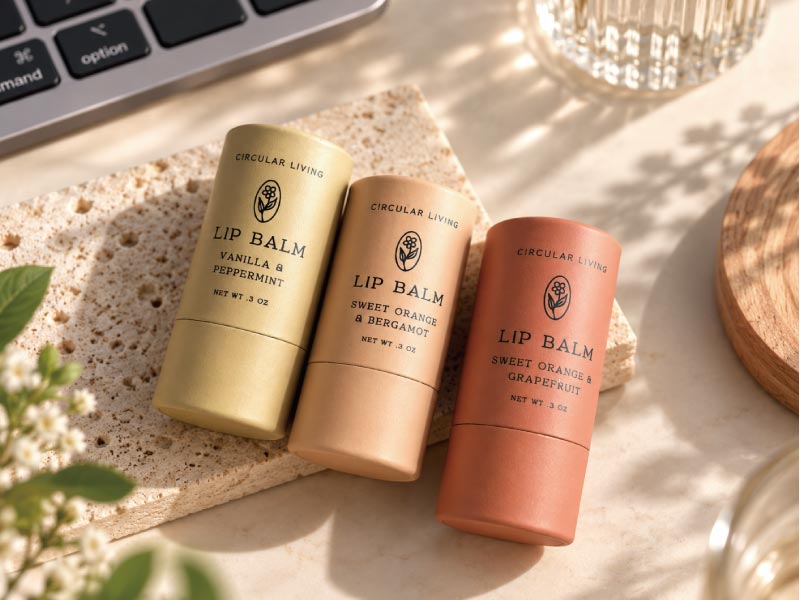
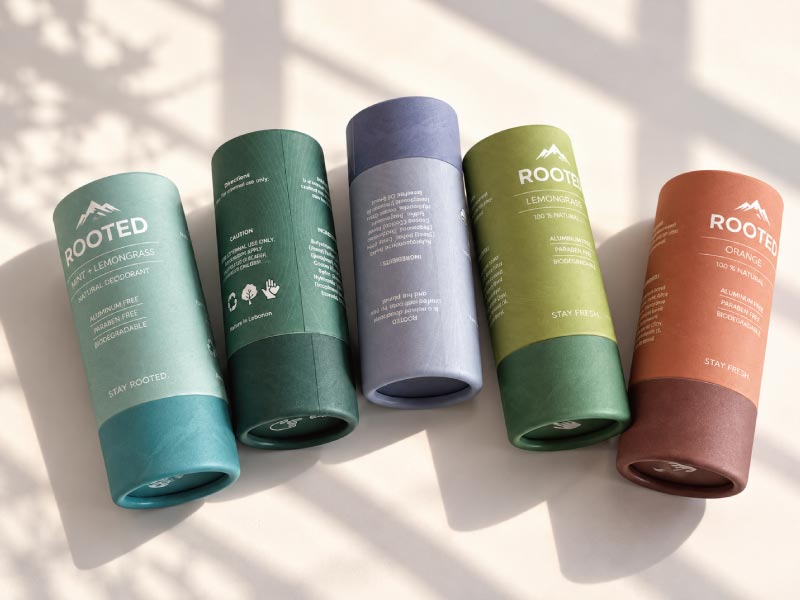
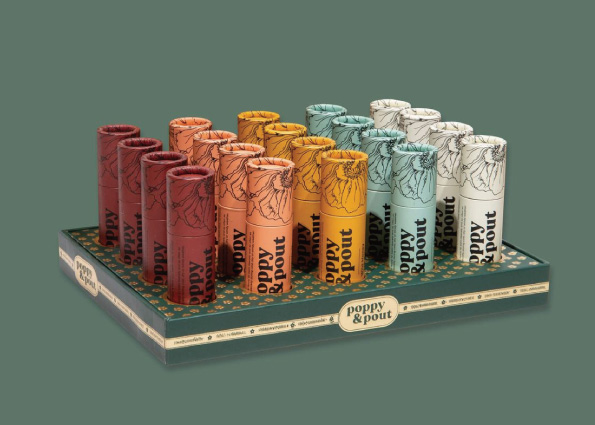
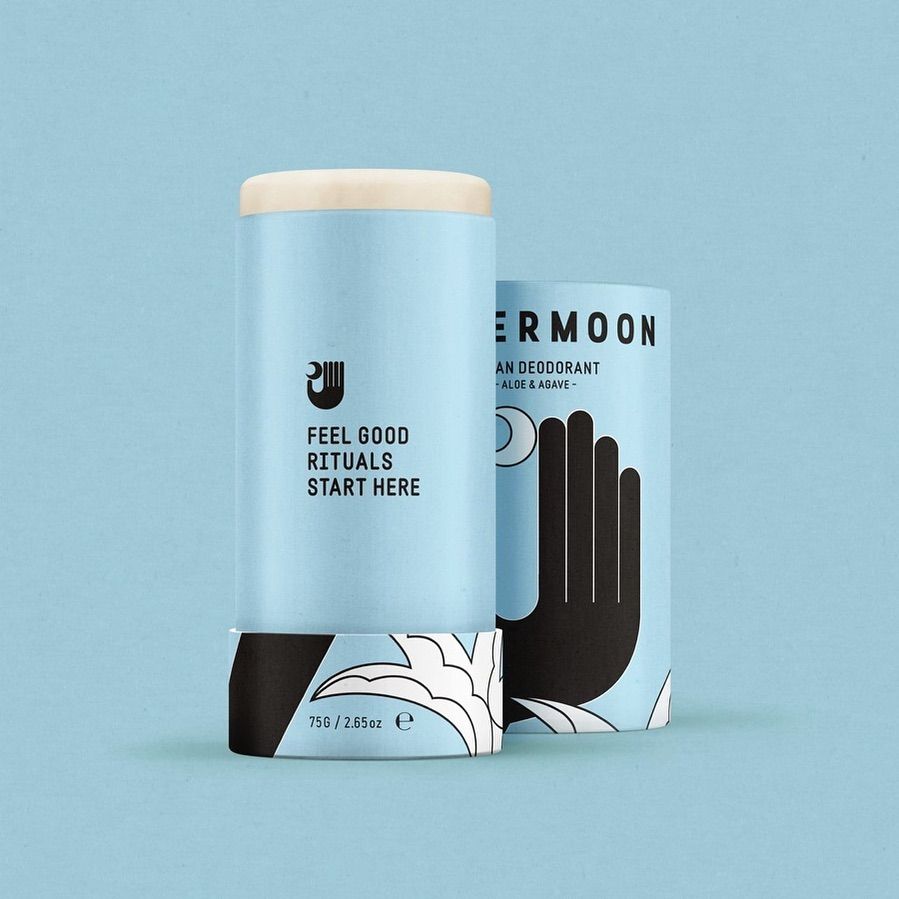
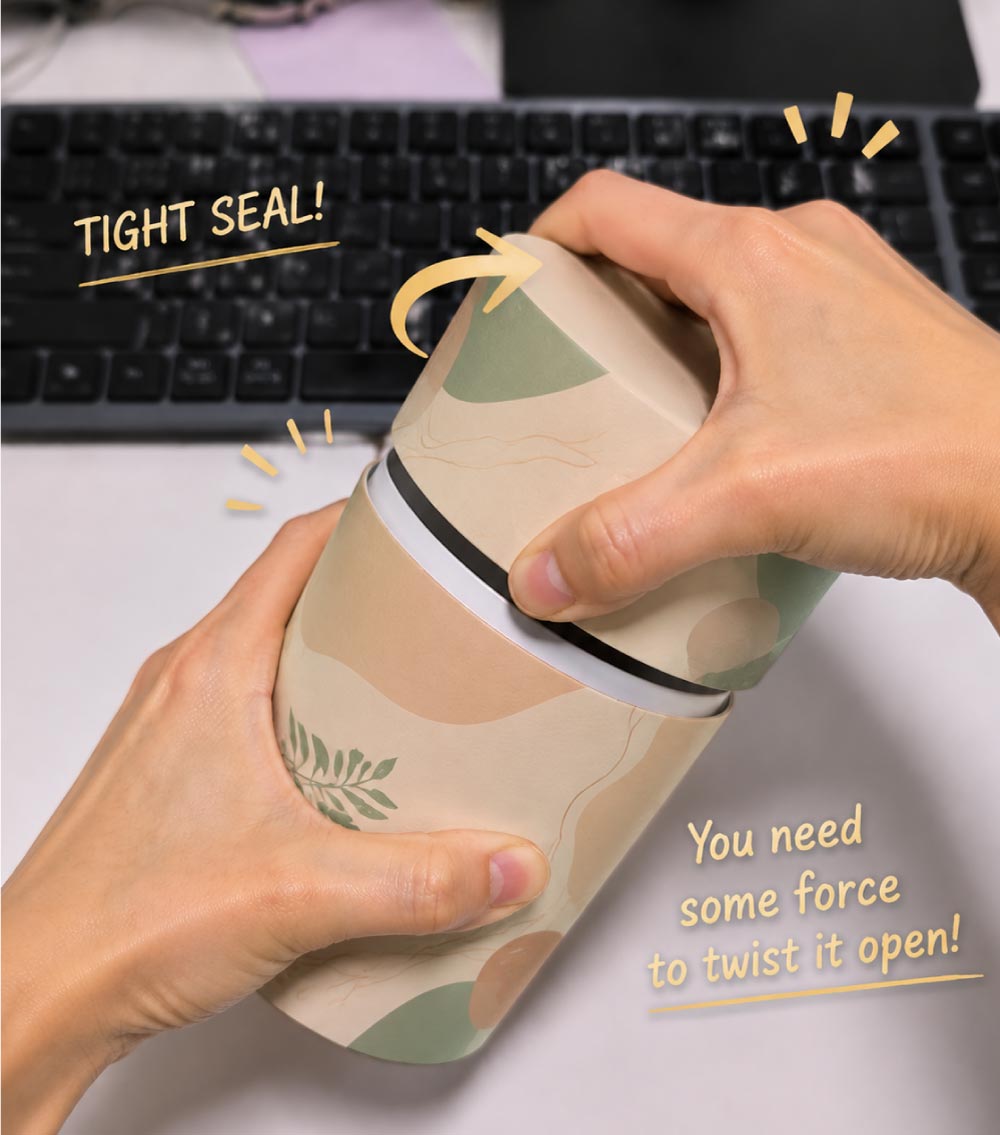
It is the paper tube — a cylindrical cardboard container, custom-printed, available in a wide range of diameters and heights, with various lid and closure styles.

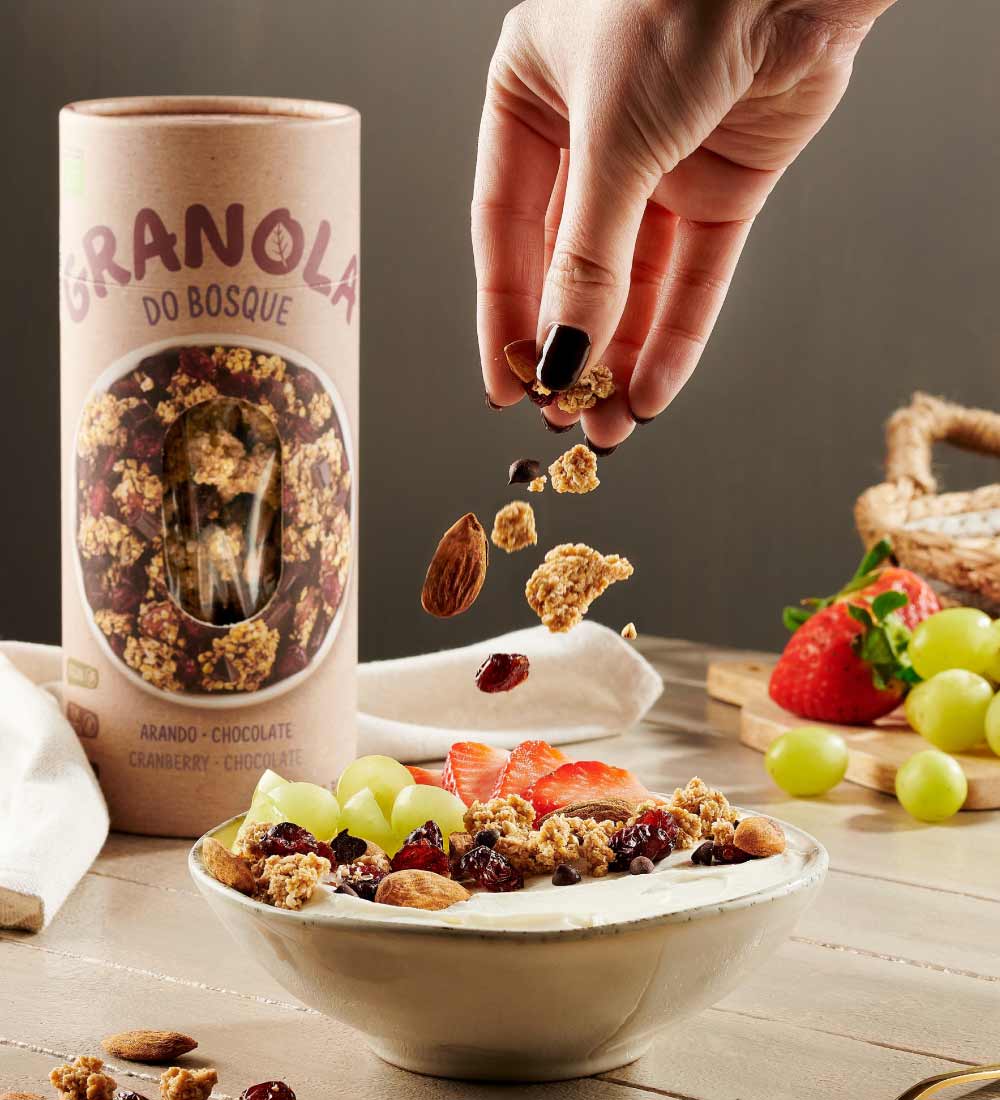
If you have bought premium tea, a nice bottle of whisky, or high-end skincare products, you have received a paper tube. They are the packaging you keep. The one that ends up on a shelf holding pens, or storing jewelry, or just sitting there looking good. That is not an accident — it is what happens when packaging is genuinely well made.
The question is: why does it work for clothing?
A few reasons.
First, it is distinctive. When a customer receives a cylinder in the mail, it does not look like any other parcel they received that week. They pick it up and it is already a different experience before they have even opened it.
Second, it presents rolled garments beautifully. A t-shirt rolled and placed in a kraft paper tube looks deliberate and premium. It looks like someone thought about it. The same t-shirt folded into a box looks like it was packed.
Third, it photographs like nothing else in clothing packaging. The cylindrical shape creates depth, shadow, and three-dimensional visual interest that a flat box cannot produce. For brands building a visual identity on Instagram or creating product photography for their website, that matters a lot.
And fourth — this is underappreciated — it positions your clothing as a gift automatically. A tube does not need to be wrapped. It already looks like something special. For clothing brands where gifting makes up a meaningful share of purchases, that is commercially important.
The team at All Paper Tube Co. manufactures custom apparel paper tubes used by clothing brands worldwide, including for t-shirts, socks, scarves, hoodies, bed sheets, and gift sets. The tubes are made from 100% recyclable materials, fully customizable in size and print, and available with the same high-end finish options you would expect from any premium packaging manufacturer — matte lamination, gloss, hot foil, UV spot, embossing.
What type of clothing suits paper tube packaging?
This is a fair question. Not every garment goes in a tube. But more types of clothing suit cylinder packaging than you might initially assume.
T-shirts are the obvious one. Roll a t-shirt neatly and it fits perfectly inside a cylindrical container. For graphic tees, limited edition drops, or artist collaborations, a paper tube turns the packaging itself into part of the product. Some brands have customers who keep the tube after wearing the shirt. That is brand recall you cannot buy with advertising.
Socks are huge in this format. Premium sock brands have been using cylindrical packaging for years. A pair of quality socks in a slim, beautifully printed paper tube is a complete gift. No additional wrapping required. This is why paper tube socks do so well in gift shops, corporate gifting, and holiday sales.
Scarves and ties sit naturally in a slim tube. They roll well, they do not crease badly, and a cylindrical package gives them a presentation quality that a folded box does not. For accessories brands, this format is genuinely underused.
Hoodies in a wider diameter tube work well for premium streetwear brands. The wider tube requires more material but creates a genuinely impressive package. When someone receives a bulky cylinder and opens it to find a beautifully rolled hoodie, it is memorable.
Bed sheets and pillow cases — yes, these work in large-diameter tubes. Bedding brands have used cylinder packaging for years because rolled bedding is dense, stable, and presents cleanly in a cylindrical container in a way that a box simply does not.
Gift sets combining multiple clothing items are a natural fit. A wider tube that contains a t-shirt, a pair of socks, and a small accessory creates a curated gift box experience that feels thoughtful rather than assembled.
Apparel packaging and sustainability — why it matters now
The fashion industry has a well-documented environmental problem, and consumers are increasingly aware of it. Choosing sustainable packaging for your clothing brand is not just ethically sound — it is commercially smart.
Packaging made from paper, cardboard, and kraft materials is biodegradable, recyclable, and made from renewable resources. Paper tube packaging and paper box packaging made from FSC-certified materials can be a genuine part of your brand’s sustainability story.
This matters particularly for brands targeting younger consumers and for brands that want to position themselves in the premium sustainable fashion space. Luxury packaging for clothing does not have to mean plastic-heavy or wasteful — a beautifully finished kraft paper tube or a matte-laminated paper box communicates quality and environmental consciousness at the same time.
All Paper Tube Co. uses 100% biodegradable materials across their apparel packaging range. If sustainability is part of how you talk about your brand to your customers, your packaging should reflect that.
Getting the details right: what actually affects packaging quality
There are a few technical details that separate good clothing packaging from mediocre packaging, and they are worth understanding before you start getting quotes.
Wall thickness. For paper tubes especially, the thickness of the cardboard walls determines how well the tube holds its shape during shipping and handling. Thin-walled tubes feel cheap and dent easily. Well-made tubes feel solid and maintain their cylindrical form even under pressure.
Edge quality. The cut edges of a paper tube or box should be clean and flat. Rough, uneven, or slightly burred edges are a sign of lower-quality production and are immediately obvious when you handle the packaging.
Print registration. If your design has fine detail, text, or patterns that need to align precisely, print registration matters a great deal. Ask for physical samples before committing to a full production run.
Closure fit. For paper tubes with a lid and base, the fit between the two pieces should be snug but not difficult to open. A lid that slides off too easily feels cheap. A lid that requires force to remove is frustrating. The tolerances in this fit are a direct indicator of the manufacturer’s precision.
Lamination quality. Matte and gloss lamination finishes should be even, bubble-free, and properly adhered. Poor lamination peels at the edges and makes an otherwise nice package look damaged after transit.
These are the things you find out from a physical sample. Always request one before placing a bulk order.
A note on pricing custom clothing packaging
Packaging costs are part of your product cost, and they need to be planned for honestly.
For most clothing brands, packaging as a percentage of product price lands somewhere between 5% and 15% depending on the price point and the format. A $15 t-shirt in a $2 branded poly mailer is commercially reasonable. The same t-shirt in a $5 premium paper tube is harder to justify — but that same packaging for a $60 limited edition tee makes complete sense.
The general rule is that the more premium the product, the more the packaging investment can be justified — and in many cases, the more it is expected by the customer.
Paper tube packaging for apparel sits at a price point that works for mid-range to premium brands. It is more expensive than a basic poly mailer but typically less expensive than a full rigid custom box. For the visual and brand impact it delivers, it represents strong value for clothing brands with the right product and customer.
Wholesale clothing packaging boxes — ordering in larger quantities — brings the unit cost down substantially. If you have volume, use it.
How to order custom apparel packaging
The process is simpler than most brands expect. Here is roughly how it works with a manufacturer like All Paper Tube Co.:
You start by specifying what you need — the product type (t-shirt, socks, scarves, gift set), the approximate size of the garment when rolled or folded, and any requirements you have around finish, style, and quantity.
From there, the manufacturer provides a quote and, once you confirm, moves to sampling. A physical sample is produced to your specifications — typically within 72 hours at All Paper Tube Co. — and shipped to you for approval.
Once you approve the sample, full production begins. Lead times for custom clothing packaging typically run two to four weeks from artwork sign-off. Factor that into your launch planning.
All Paper Tube Co. ships to the USA, UK, EU, Canada, Australia. Their minimum order quantities are flexible, which makes them accessible for independent clothing brands and smaller labels as well as larger wholesale runs.
Final thought
Packaging is not just logistics. It is not just protection. It is the physical, tangible expression of what your brand is and what you think of your customer.
If your current clothing packaging does not reflect the quality of what is inside it, that is a gap worth closing. And if you have never considered cylinder paper tube packaging for your apparel line, it is genuinely worth exploring — not because it is trendy, but because it is distinctive, sustainable, beautifully printable, and genuinely memorable in a way most clothing packaging is not.
See custom apparel and accessories paper tube packaging at All Paper Tube Co. →
Tags: custom clothing packaging, custom apparel boxes, fashion packaging, clothing packaging boxes, garment packaging, paper tube packaging, apparel packaging design, luxury clothing packaging, eco-friendly clothing packaging, custom packaging for t-shirts, hoodie packaging, sportswear packaging, sock packaging, clothing brand packaging, custom apparel bags