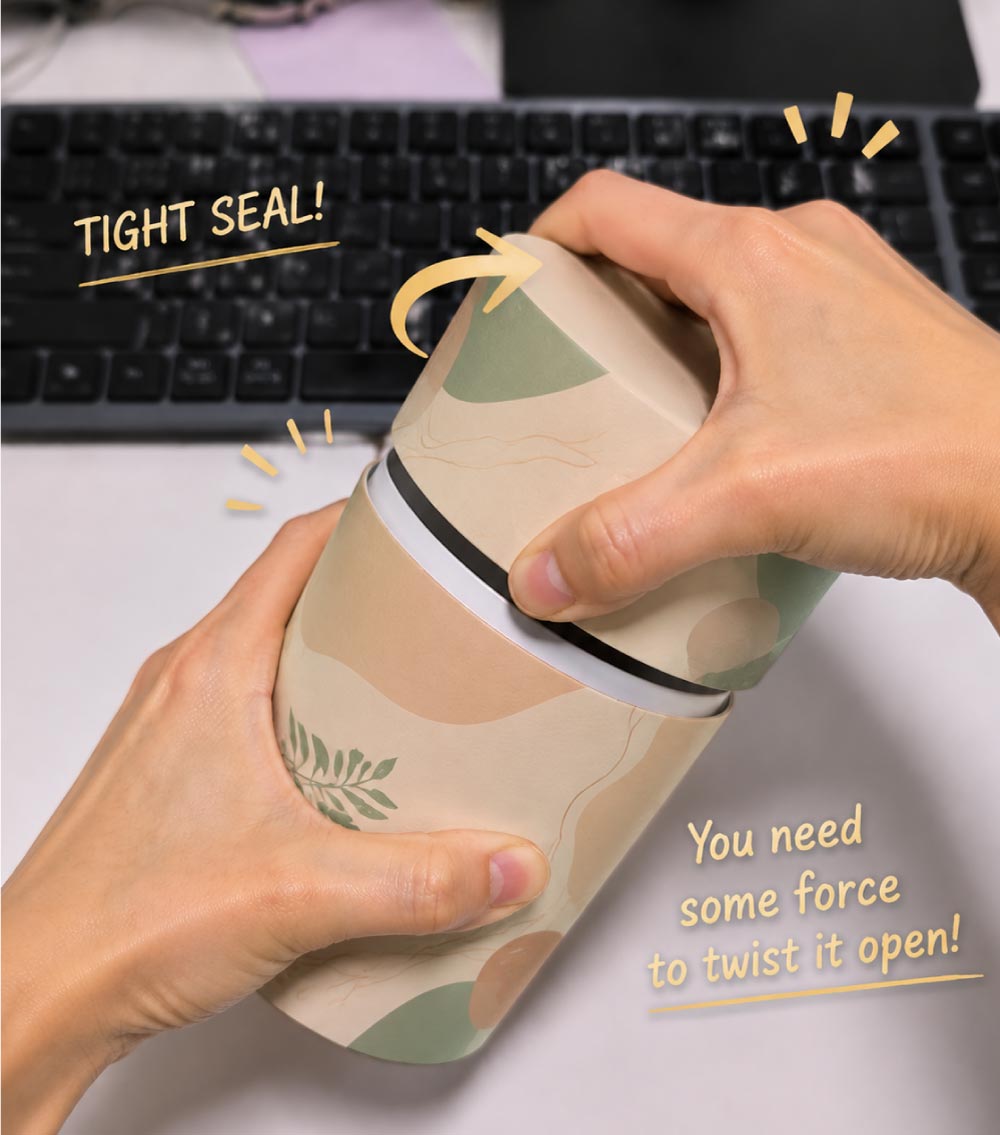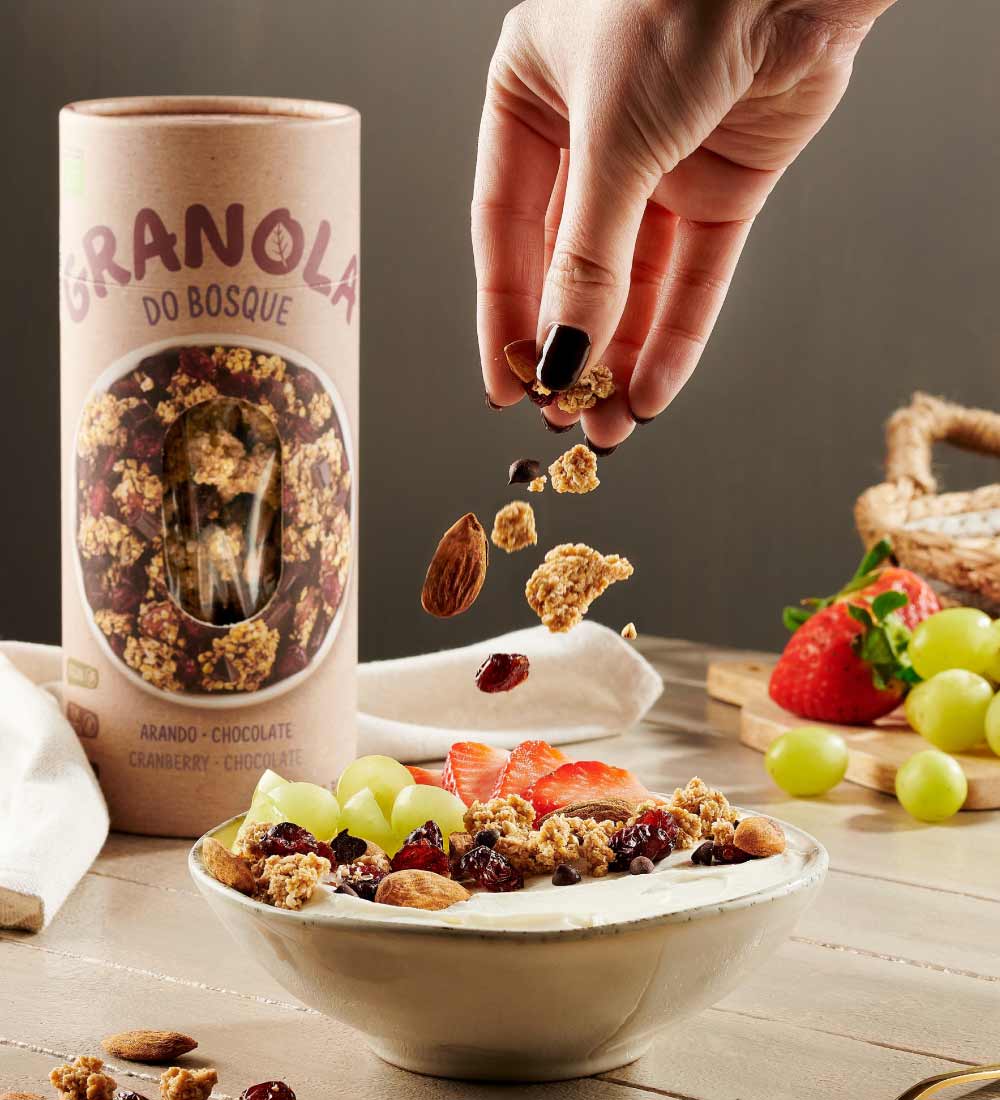
If you’ve been exploring packaging options for cosmetics, chances are you’ve come across paper tube packaging.
And almost immediately, one question comes up:
Is paper tube packaging for cosmetics strong enough?
It’s a valid concern. Cosmetic products—especially glass bottles, jars, or bundled sets—need reliable protection during storage, shipping, and retail handling.
Short answer:
Yes, paper tube packaging for cosmetics can be strong enough—but its performance depends on structure, material quality, and how well it’s designed for the product.
So instead of asking whether it works in general, it’s more useful to understand how it works and when it works best.
1. Why Paper Tube Packaging for Cosmetics Is Stronger Than It Looks
There’s a common assumption that paper equals weak.
But paper tube packaging doesn’t behave like flat paper or folding cartons.
“Paper tube packaging for cosmetics gains its strength from its cylindrical structure and multi-layer construction, not just the material itself.”
What actually creates strength:
- Multi-layer winding structure
Layers of paperboard are tightly wound together, creating density and rigidity. - Cylindrical shape
Pressure is distributed evenly, which improves compression resistance. - Custom wall thickness
The thickness can be adjusted depending on the weight and fragility of the cosmetic product.
In cosmetic applications, paper tube packaging is often engineered to balance protection and presentation—not just one or the other.
2. How Protective Is Paper Tube Packaging in Real Cosmetic Use?
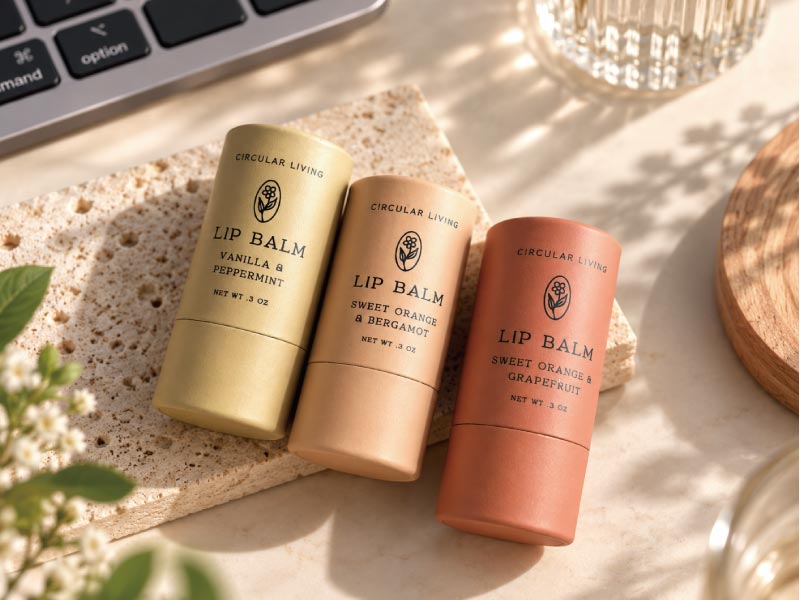
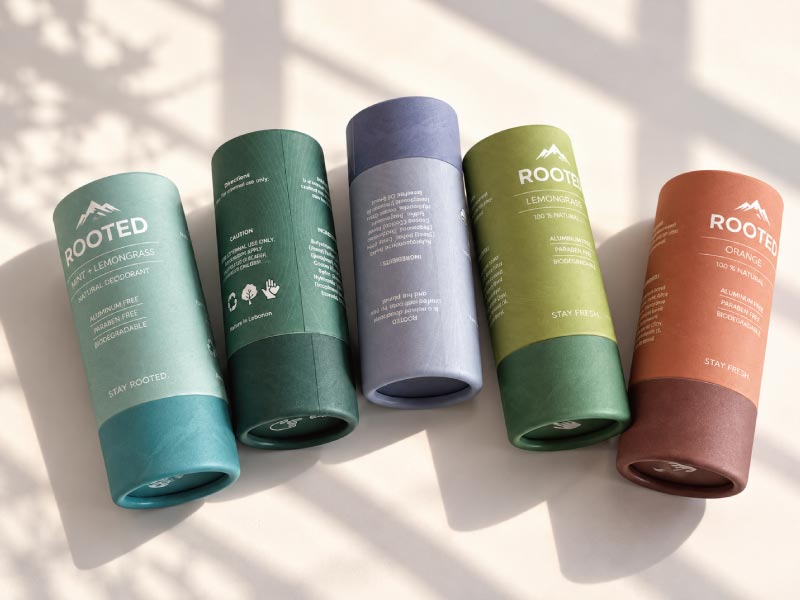
In practice, paper tube packaging for cosmetics is commonly used as outer packaging, not primary containment.
That distinction matters.
“Paper tube packaging for cosmetics is widely used to protect products while also enhancing visual presentation and perceived value.”
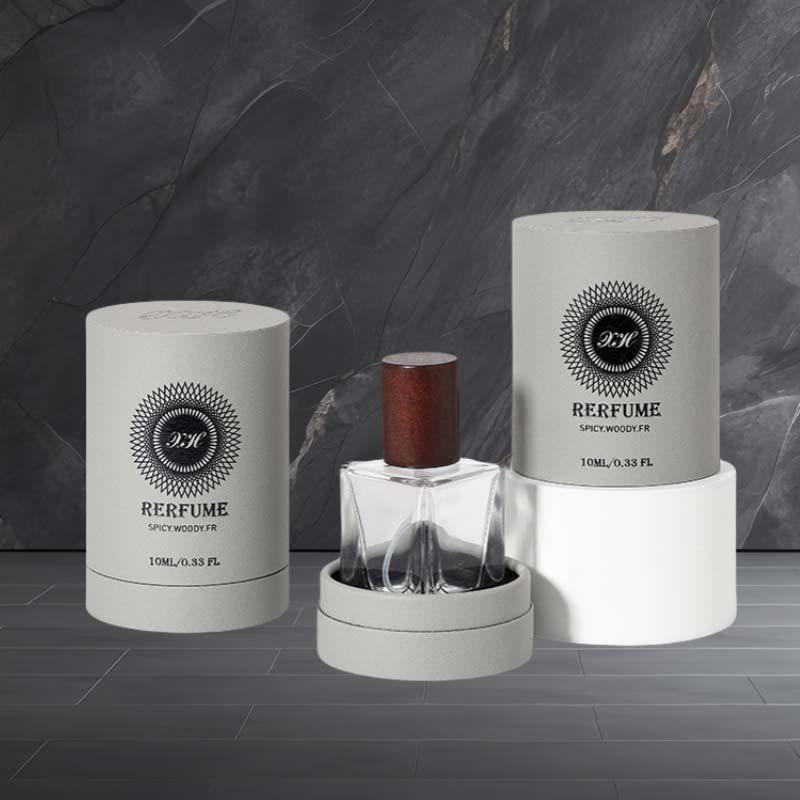
Where it performs well:
- Protecting glass skincare bottles
- Housing cream jars and balms
- Supporting cosmetic gift sets
- Adding structure to fragile products
What it does effectively:
- Handles compression during shipping
- Reduces risk of external damage
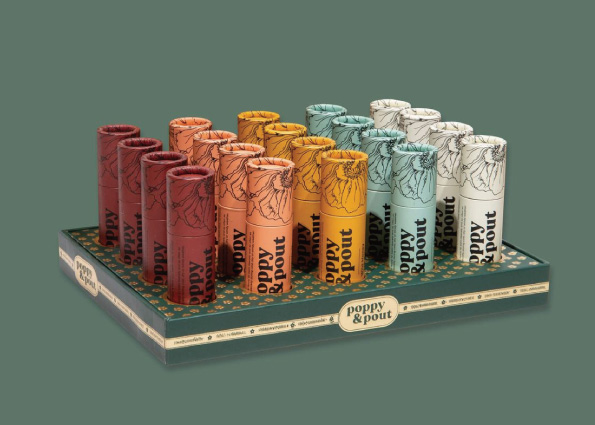
- Provides structural support for retail display
What it does not replace:
- It is not designed to replace primary packaging (e.g., bottles or jars)
- It does not fully absorb shock without internal inserts
👉 Which leads to an important point:
“Paper tube packaging for cosmetics works best as part of a complete packaging system, not as a standalone protective solution.”
3. Paper Tube Packaging vs Folding Cartons in Cosmetics
Many brands compare paper tubes with standard paper boxes.
Here’s where the difference becomes practical.
Paper Tube Packaging
- Higher compression resistance
- More rigid structure
- Less prone to deformation
Folding Cartons
- Lower cost
- Easier to store flat
- Weaker structural strength
“Compared to folding cartons, paper tube packaging for cosmetics typically offers stronger structural protection due to its shape and construction.”

4. When Paper Tube Packaging for Cosmetics Works Best
Not every product needs the same level of protection.
From real-world use, paper tube packaging works best in these scenarios:
✔ Retail Display
- Holds its shape on shelf
- Feels more substantial in hand
- Enhances product presence
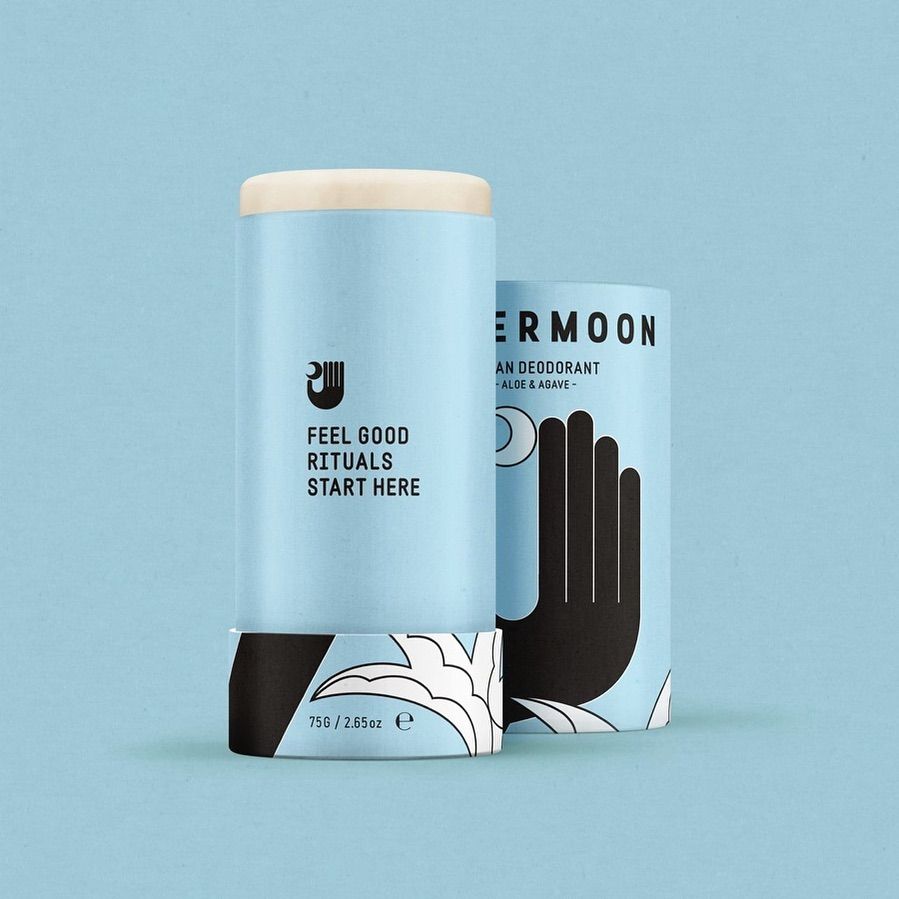
✔ Premium or Gift Packaging
- Adds perceived value
- Supports multi-product packaging
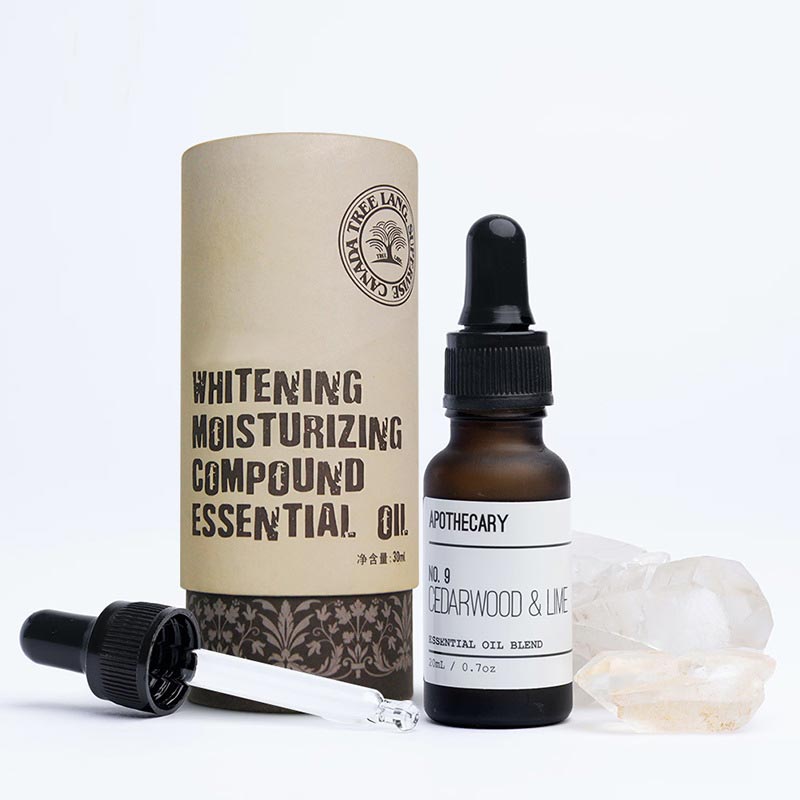
✔ Secondary Protection for Fragile Products
- Works well with glass containers
- Adds a protective outer layer
“Paper tube packaging for cosmetics is particularly effective when both protection and brand presentation matter.”
5. Limitations You Should Know Before Choosing
No packaging format is perfect—and ignoring limitations often leads to problems later.
Situations where it may not be ideal:
- Direct contact with liquid products
- Environments requiring full waterproof protection
- Extremely heavy or industrial products
Design considerations:
- Internal fit must be precise
- Inserts may be required for fragile items
- Moisture resistance depends on lining and structure
“Paper tube packaging for cosmetics may not perform well without proper structural design and internal support.”
6. The Better Question to Ask
Instead of asking:
👉 Is paper tube packaging strong enough?
A better question is:
👉 Is paper tube packaging for cosmetics strong enough for my specific product and use case?
Because strength depends on:
- Product weight
- Packaging structure
- Transportation conditions
- Storage environment
“Packaging performance should always be evaluated in context, not in isolation.”
7. What This Means for Your Packaging Decision
At a practical level:
- Paper tube packaging can provide strong protection
- It works best as outer packaging
- It requires thoughtful structural design
“The effectiveness of paper tube packaging for cosmetics depends less on the material itself and more on how well it is designed for the product.”
Conclusion
Paper tube packaging is often underestimated—not because it lacks strength, but because its strength is misunderstood.
When designed properly, it offers a balance that’s hard to achieve with traditional formats:
- Structural protection
- Strong visual impact
- Sustainable positioning
“For many brands, paper tube packaging for cosmetics is not just strong enough — it’s a strategic upgrade.”
If you’re evaluating packaging options, it’s worth looking beyond assumptions and focusing on real-world performance and fit.
👉 You can also explore our guide on how to choose cosmetic packaging for a deeper breakdown.