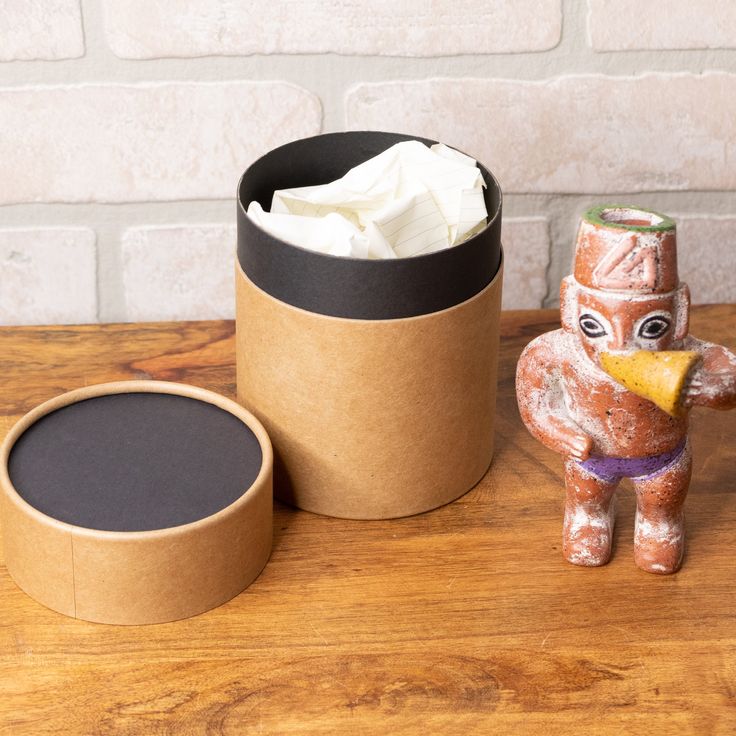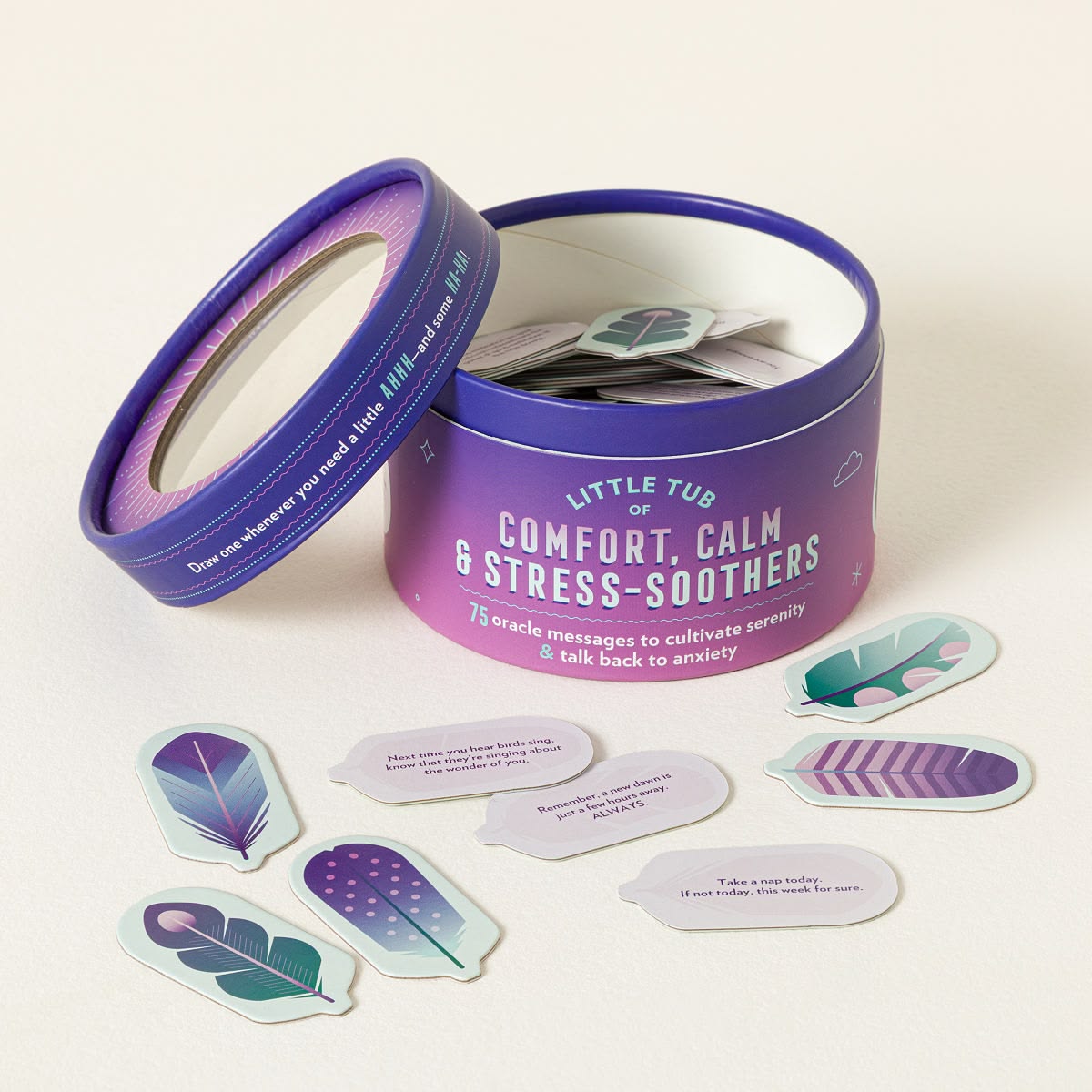
As brands seek sustainable alternatives to plastic, paper tube for packaging delivers both environmental benefits and tangible business value. This versatile format provides superior product protection, 360-degree branding space, and customization options that adapt to diverse products—from cosmetics to gourmet foods. By choosing paper tube packaging, companies meet consumer demand for eco-conscious solutions while creating distinctive unboxing experiences that strengthen brand identity and shelf presence.
Q1: What is custom paper tube packaging commonly used for?
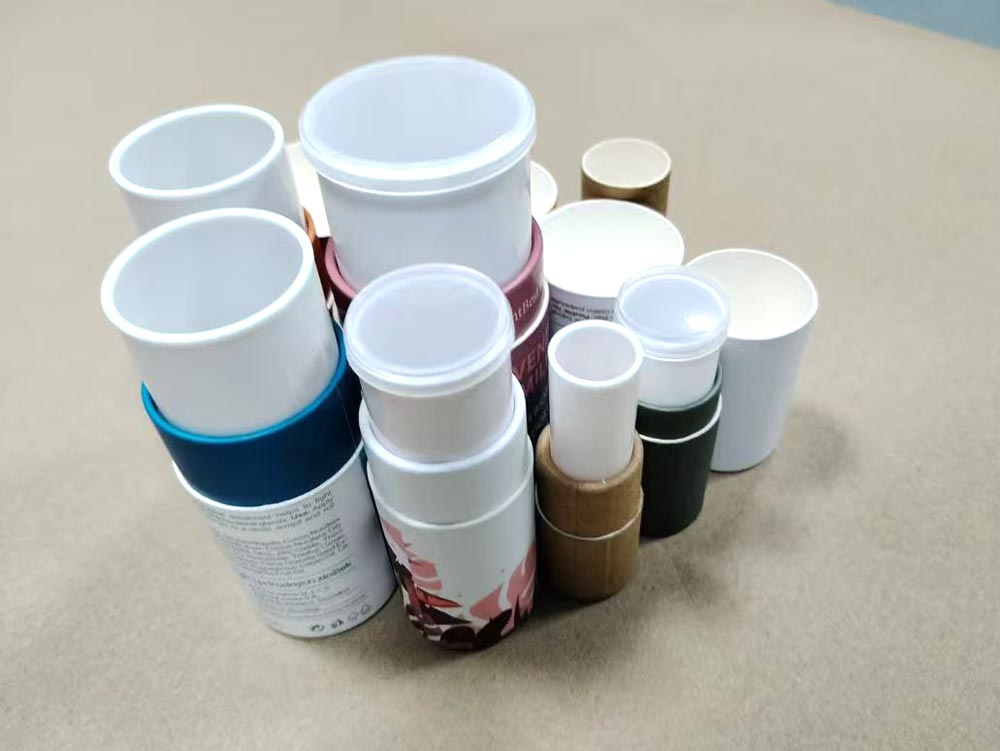
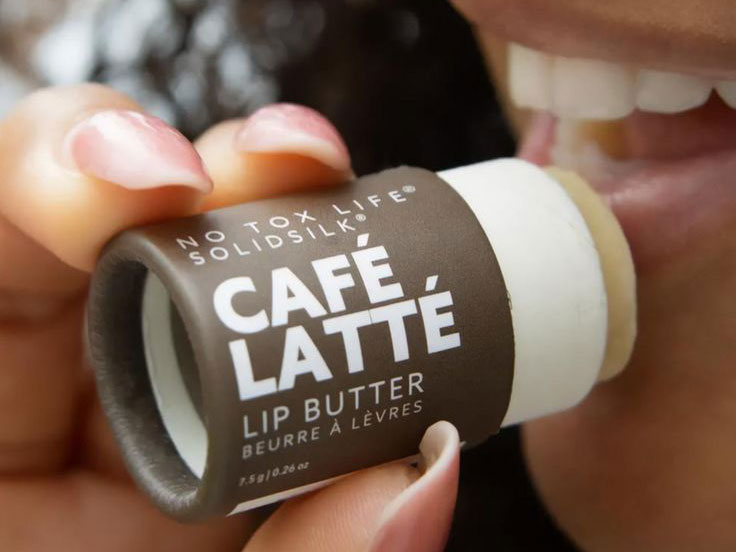
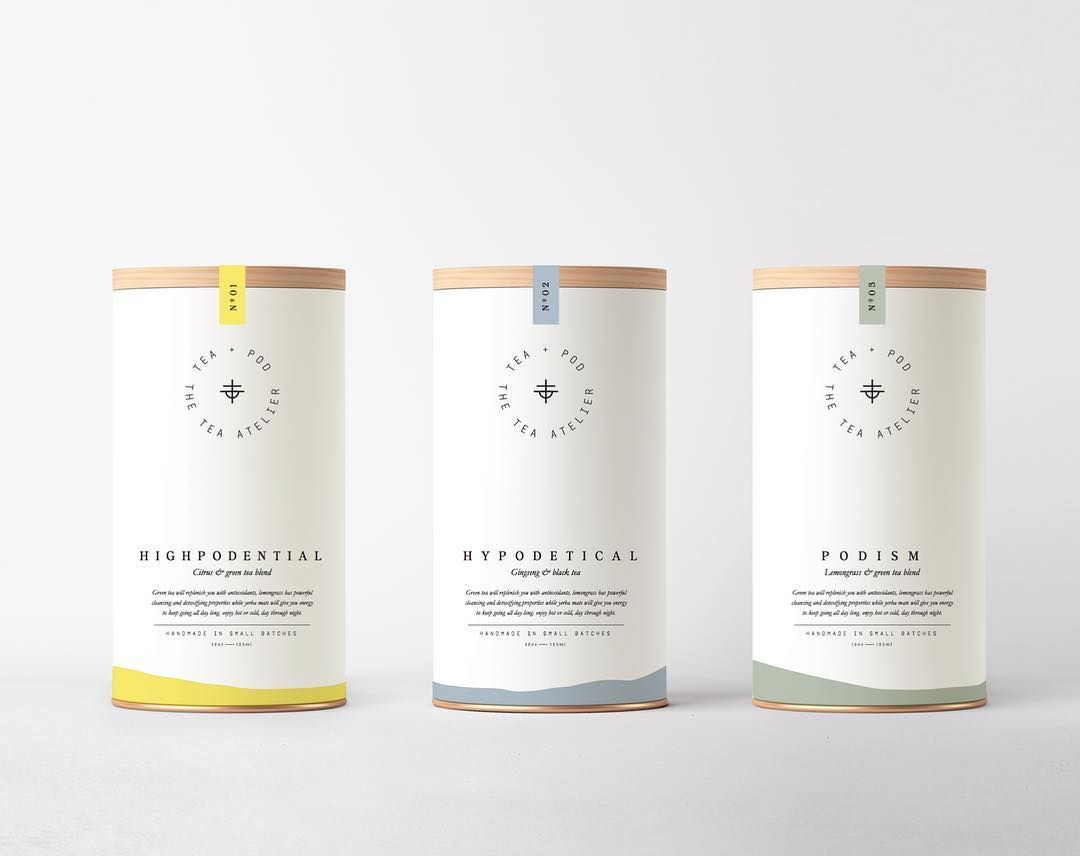
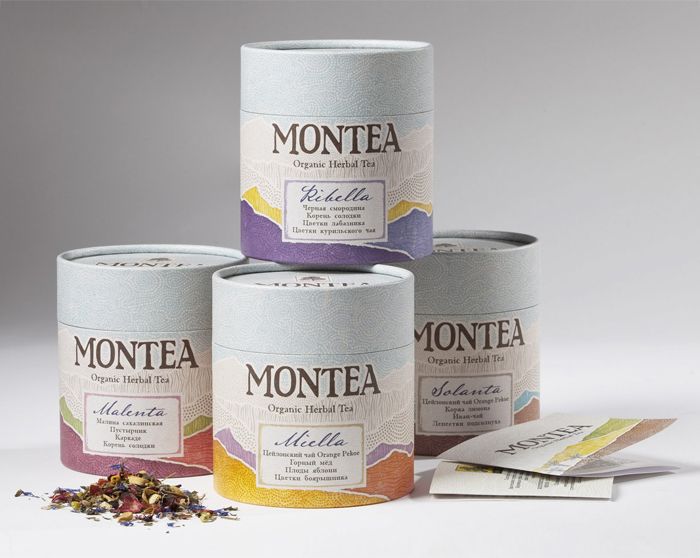
Paper tube for packaging serves dozens of industries thanks to its versatility. Common applications include coffee and tea packaging where barrier properties protect freshness, cosmetics like lip balm tubes that convey natural brand values, poster and art print shipping that prevents bending, and industrial packaging for fragile components. The cylindrical structure provides excellent crush resistance while offering 360-degree branding space.

Q2: Is paper tube packaging environmentally friendly?
This depends on material selection, but paper tube for packaging can be highly sustainable. Tubes made from recycled content or FSC-certified paperboard are widely recyclable. Many manufacturers offer compostable options using water-based inks and paper-based liners. Even standard paper tube packaging typically contains significantly less plastic than alternative packaging formats.
Q3: How much does custom paper tube packaging cost?
Costs vary based on quantity, materials and customization level. For basic paper tube packaging with simple printing, expect approximately $0.40-$0.80 per unit for orders of 1,000-5,000 units. Premium options with foil stamping, custom shapes or specialty papers range from $0.6-$0.9 per unit. Most manufacturers offer lower per-unit pricing as quantities increase.
Q4: What’s the minimum order quantity for custom paper tubes?
MOQs depend on the manufacturer’s specialization. Some suppliers of custom paper tube packaging accommodate orders as low as 500-1,000 units for digitally printed designs, while traditional printing methods often require 2,000-5,000 units. The most flexible manufacturers work with startups and small businesses to develop scalable solutions.
Q5: How long does it take to produce custom paper tube packaging?
Standard production timelines for paper tube packaging range from 3-4 weeks from approved artwork. This includes material preparation and printing (1 weeks), production (1 weeks), and quality control/shipping (2 week). Rush production in 2-3 weeks may be available for additional fees. Always factor in extra time for sample development and approval.
Q6: Can paper tubes be made waterproof or airtight?
Yes, through various lining technologies. Paper tube for packaging can incorporate PE-coated paper liners for moisture resistance, foil laminates for complete barrier protection, or heat-seal membranes for airtight seals. The level of protection needed depends on your product’s sensitivity to moisture and oxygen.
Q7: What customization options are available for paper tubes?
Virtually every element of paper tube for packaging can be customized:
Materials: Kraft paper, white board, recycled content
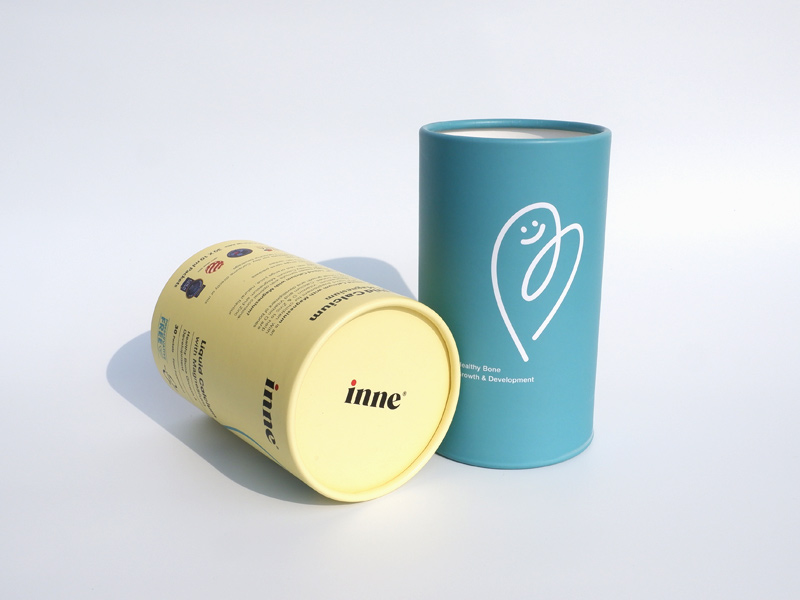
Printing: Full-color process, spot colors, metallic inks
Finishes: Matte/gloss coatings, foil stamping, embossing
End closures: Plastic caps, metal ends, cardboard plugs
Shapes: Standard round, oval, or custom diameters

Q8: How do I choose the right paper tube manufacturer?
Look for manufacturers with specific experience in your industry. A paper tube packaging supplier for food products should understand FDA requirements, while a cosmetics specialist will know relevant surface treatments. Request samples to evaluate quality, ask for client references, and ensure they can accommodate your quantity requirements and timeline.
Q9: Are paper tubes strong enough to protect fragile items?
Absolutely. The cylindrical design of paper tube for packaging distributes impact force evenly, providing exceptional crush resistance. For extra protection, manufacturers can incorporate double-walled construction, thicker paperboard, or custom foam inserts. Many electronics companies use paper tube packaging for shipping sensitive components.
Q10: How can I get started with a custom paper tube order?
Begin by gathering your requirements: quantity needs, design files, product dimensions, and any special features needed. Reputable paper tube packaging manufacturers will guide you through a sampling process to ensure the final product meets expectations before full production begins.
Have more questions about paper tube packaging?
Contact our packaging specialists for personalized advice and samples tailored to your specific product needs.