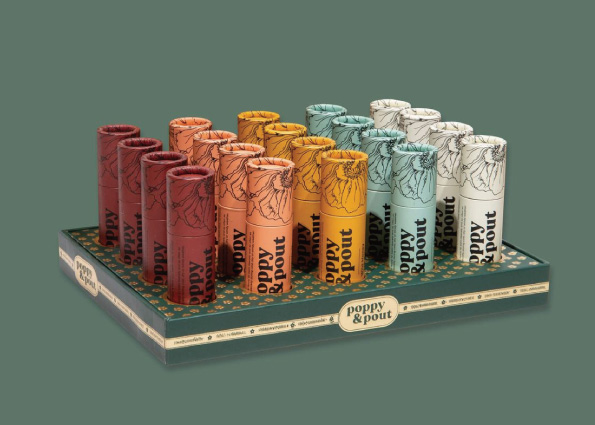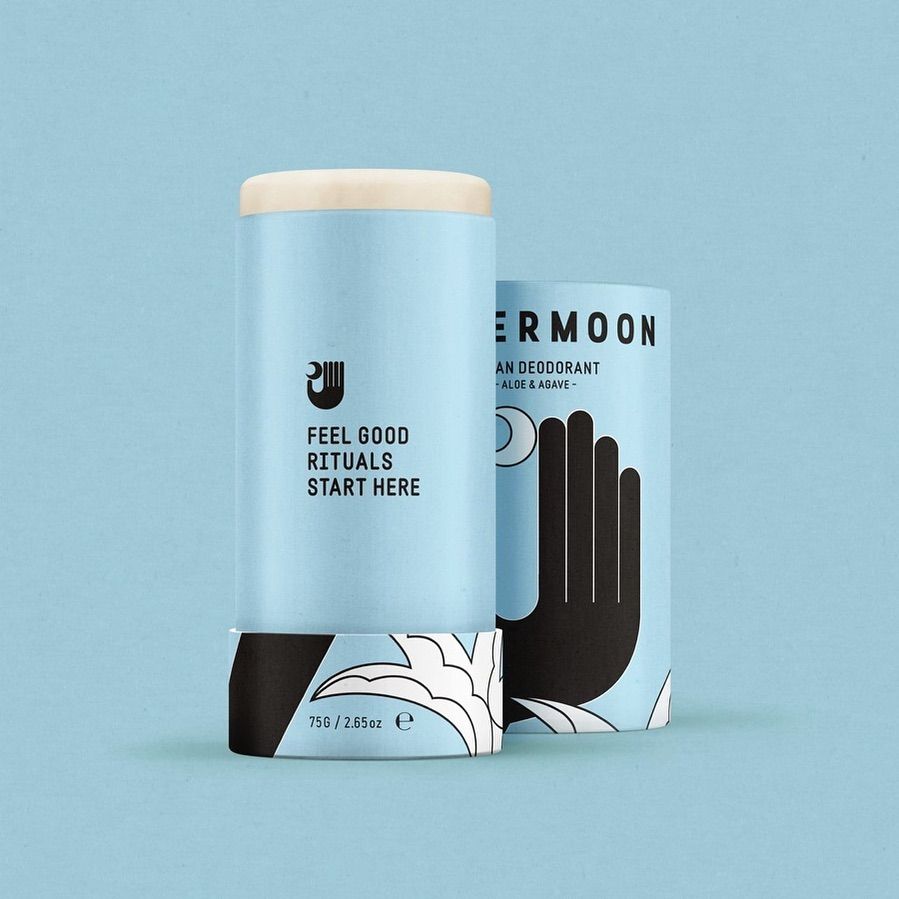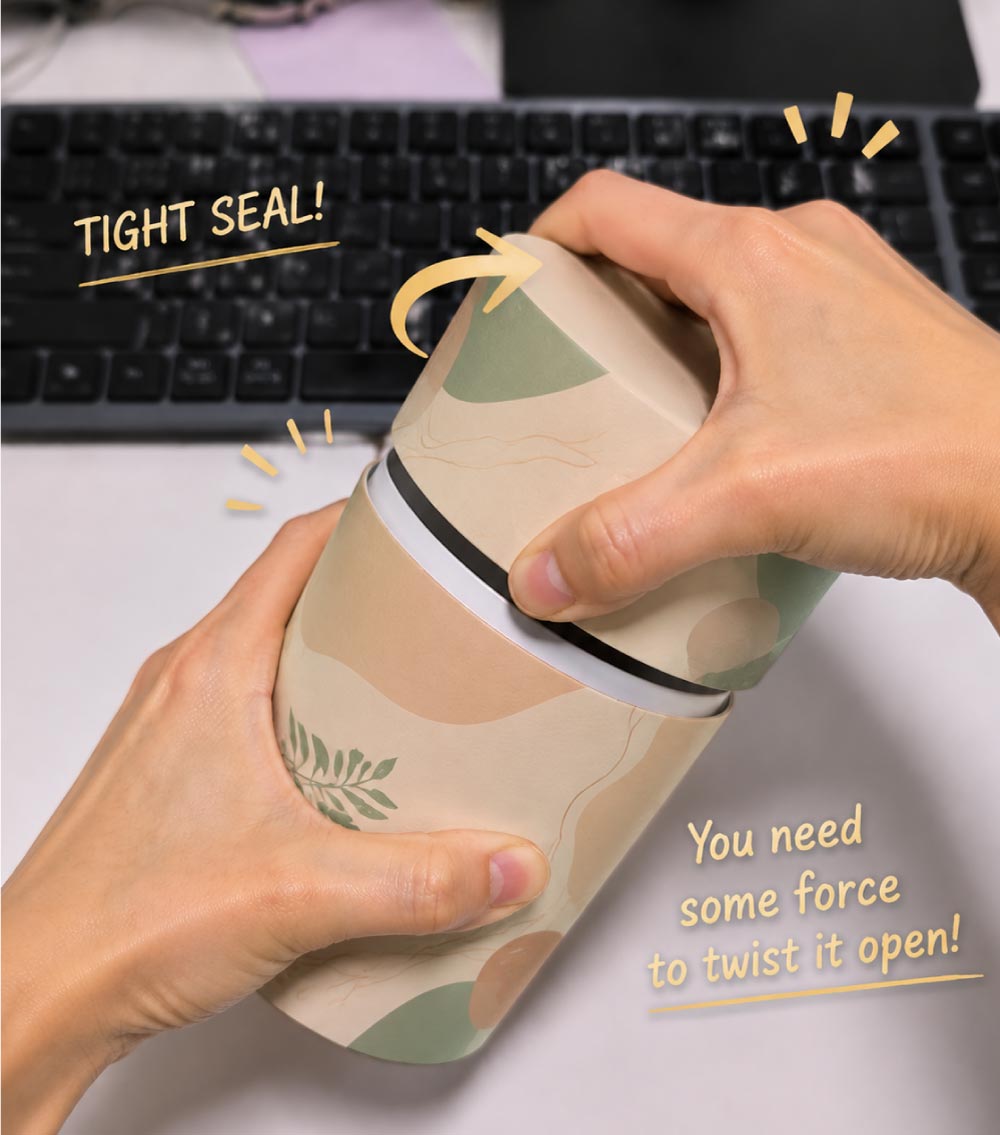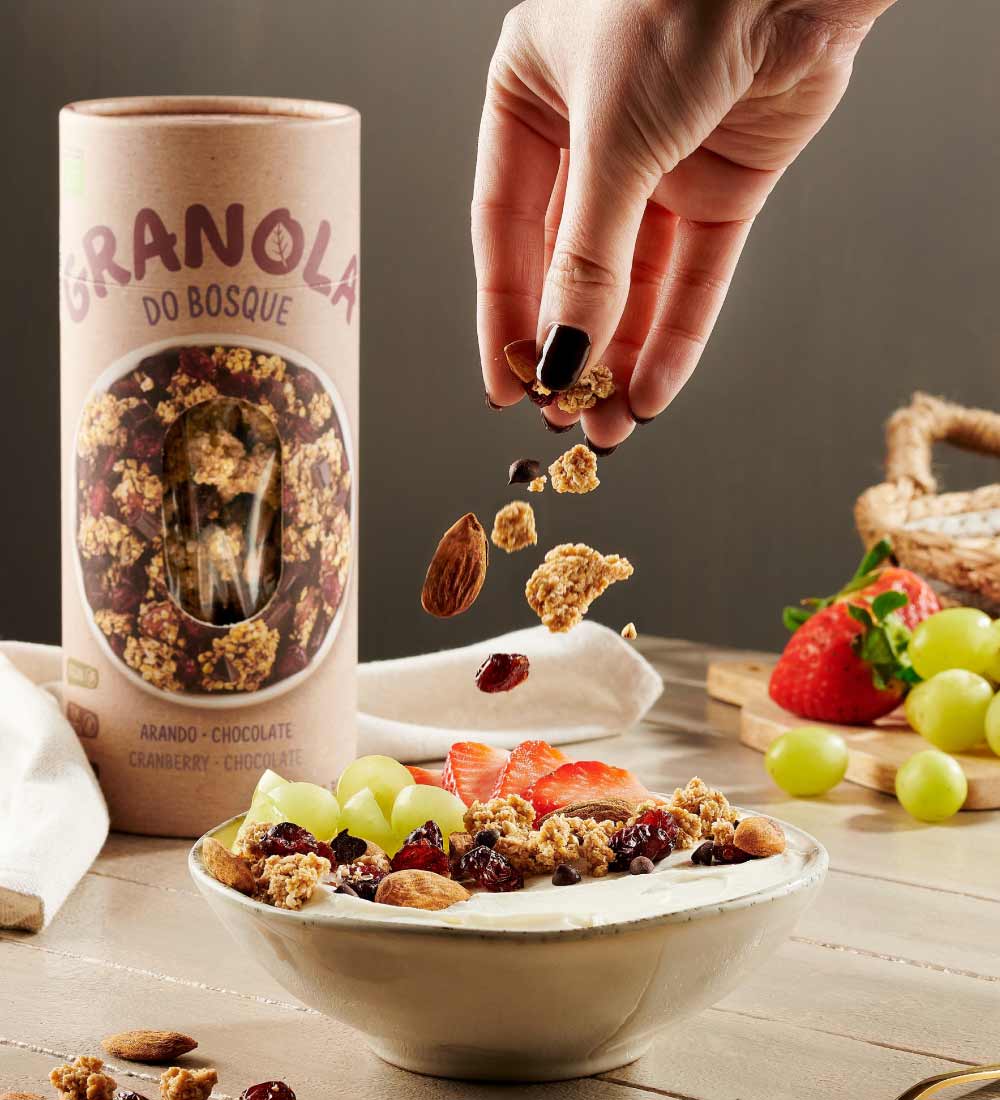
For a long time, the move to plastic-free packaging felt like a compromise. Brands wanted to be green, but they were tired of hearing customer complaints about “fiddly” push-up tubes. If you’ve been hesitant to go plastic-free because you’re worried about user experience or production line compatibility, twist-up paper tubes were designed specifically for you.
As a manufacturer, I’ve seen brand owners get stuck in the “eco-trap.” They want to save the planet, but they can’t afford to ruin their brand’s reputation with packaging that doesn’t work. Here is how the twist-up mechanism solves the three biggest pain points in the sustainable beauty market today.
1. The “One-Way” Struggle: Why “Push” Isn’t Always Enough
Let’s be honest: push-up tubes have a fatal flaw. Once a customer pushes the balm up too far, there is no easy way to get it back down. It’s messy, it’s frustrating, and it leads to wasted product.
Twist-up paper tubes eliminate this “user error” entirely.
Two-Way Control: Just like a traditional luxury lipstick, our internal fiber-screw mechanism allows the user to retract the product. If they twist too much, they simply twist it back.
Precision Application: For high-potency products like eye sticks or concentrated blemish treatments, the user needs exactly 1mm of product. The mechanical torque of a twist-up provides that micro-control that a thumb-driven push-up simply can’t match.

2. Formula Integrity: Neutralizing the “Reaction” Risk
Skincare chemistry is sensitive. Many premium formulas—especially those with active botanicals or complex essential oils—can react when they come into direct contact with certain recycled paper pulps or plastic liners.
In our twist-up paper tubes, we’ve engineered a “multi-barrier” reservoir. Because the mechanical parts are separated from the outer shell, we can utilize specialized neutral liners that act as a “vault” for your formula. Whether your recipe is oil-heavy or highly pH-sensitive, the internal twist mechanism ensures the balm remains stable, uncontaminated, and chemically pure from the first twist to the last.
3. The Production Line Crisis: “Drop-In” Compatibility
This is the big one that most “eco-consultants” won’t tell you: standard push-up tubes often require you to throw away your existing filling machinery and start from scratch. Most industrial filling lines are built to handle the rigid, standardized dimensions of plastic swivel tubes.
Switching to our twist-up paper tubes solves your “CapEx” (Capital Expenditure) problem:
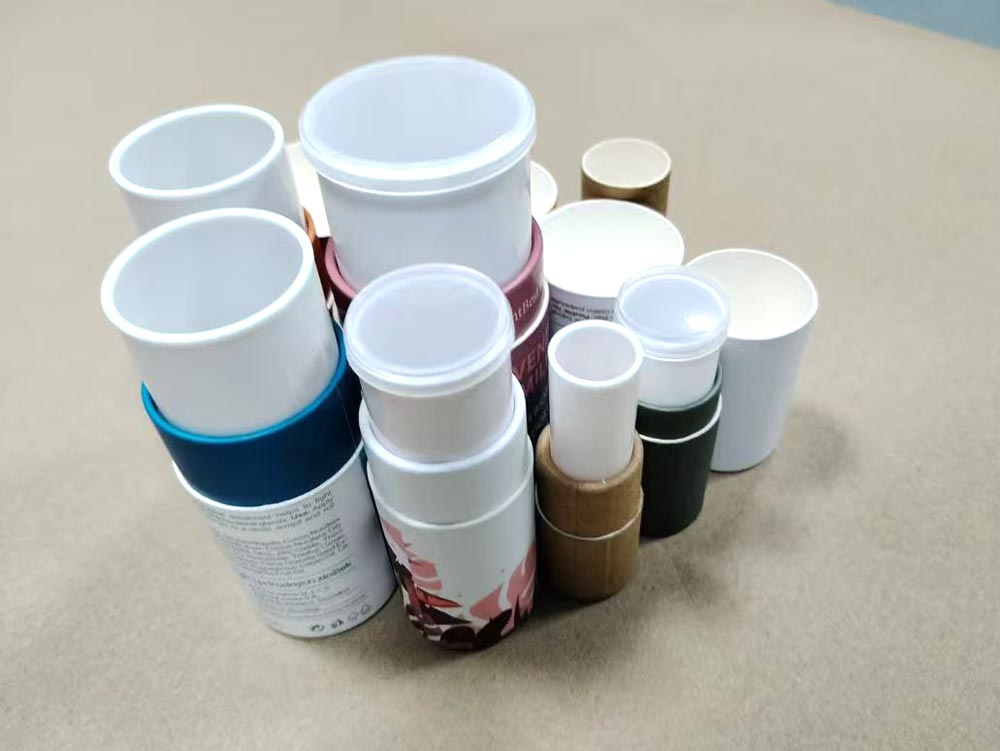
Mimics Plastic Mechanics: We’ve designed these tubes to match the external diameter and bottom-loading capabilities of conventional plastic components.
No Line Re-Tooling: In many cases, you can use your existing automated filling and cooling lines. You don’t need to hire a team of people to manually “hand-pour” into tubes. You get the sustainable “look” of paper without the multi-million dollar headache of re-engineering your entire factory floor.
4. Luxury Without the Plastic Guilt
The “Twist” is the universal language of luxury beauty. When a customer feels that solid, rhythmic click-and-turn, they perceive the product as being worth more. By choosing twist-up paper tubes, you are moving away from the “craft fair” aesthetic of simple cardboard and moving into the “boutique” category.
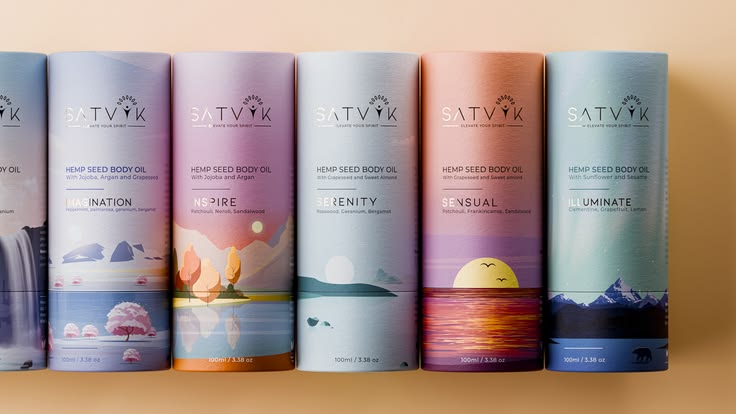
We can finish these tubes with high-end techniques like debossing, spot UV, or linen-textured wraps, making the outside as sophisticated as the mechanical engineering inside.

A Manufacturer’s Reality Check
If you are tired of apologizing for “fussy” eco-packaging and want a solution that works with your current manufacturing setup, twist-up paper tubes are the answer. You get the 360-degree branding of paper, the convenience of a swivel, and a production process that doesn’t require a total overhaul.
Ready to stop compromising? We have developed a “Production-Ready” sample kit. It’s designed for brands that need to test the “twist” against their existing filling nozzles and formula viscosity. Contact us today, and let’s get a sample into your engineers’ hands. It’s time to make sustainability feel like an upgrade, not a chore.