
Transitioning your brand to a zero-waste model is a bold move, but it often brings a specific set of technical anxieties. If you are developing a vegan lip balm, a solid perfume, or a targeted skincare stick, you know that biodegradable lip balm tubes are the gold standard for your audience. However, as a manufacturer, I’ve seen many founders struggle with the “technical gap” between a plastic twist-up tube and a paper push-up structure.
The reality? A paper tube doesn’t have a mechanical screw. It relies on physics—friction, air pressure, and barrier coatings. To help you avoid common launch pitfalls, here is a deep dive into how we engineer these sustainable balm applicators to perform just as well as their plastic ancestors.
1. Solving the “Oil Leak” Nightmare: Matching Liners to Your Formula
The biggest fear for any skincare founder is seeing a beautiful label ruined by unsightly oil stains. This happens when the oils in your balm migrate through the paper fibers. To prevent this, biodegradable lip balm tubes require a specific internal barrier based on your unique recipe:
For Oil-Rich or Soft Formulas: If your balm has a high concentration of essential oils or a low melting point, a standard paper lining won’t cut it. We utilize a greaseproof paper liner in the biodegradable lip balm tubes. This is a food-grade, high-density barrier that prevents lipids from seeping into the cardboard core, keeping your branding crisp and dry.
For Harder, Wax-Based Formulas: If your product is firmer and less prone to sweating, biodegradable lip balm tubes with wax paper liner is often the superior choice. It provides just enough of a moisture barrier while offering a natural, smooth surface that prevents the balm from “grabbing” the sides of the tube.
2. The Science of the “Glide”: Friction Calibration
In biodegradable lip balm tubes, the “push” experience is everything. Since there is no twist mechanism, the fit between the internal disc and the tube wall must be calibrated perfectly. But here’s the catch: the “perfect fit” changes depending on your formula.
Oil-Based Calibration: Oils act as a natural lubricant. If the fit is too loose, the balm will slide back down the moment it touches the user’s lips. For these formulas, we tighten the tolerance of our slide-up paper tubes to ensure the disc stays put during application.
Non-Oily/Harder Formulas: These create more natural friction against the paper. In this case, we calibrate the fit to be slightly “softer” so the customer doesn’t have to struggle to move the product.
3. Managing Internal Air Pressure: Preventing the “Ghost Rise”
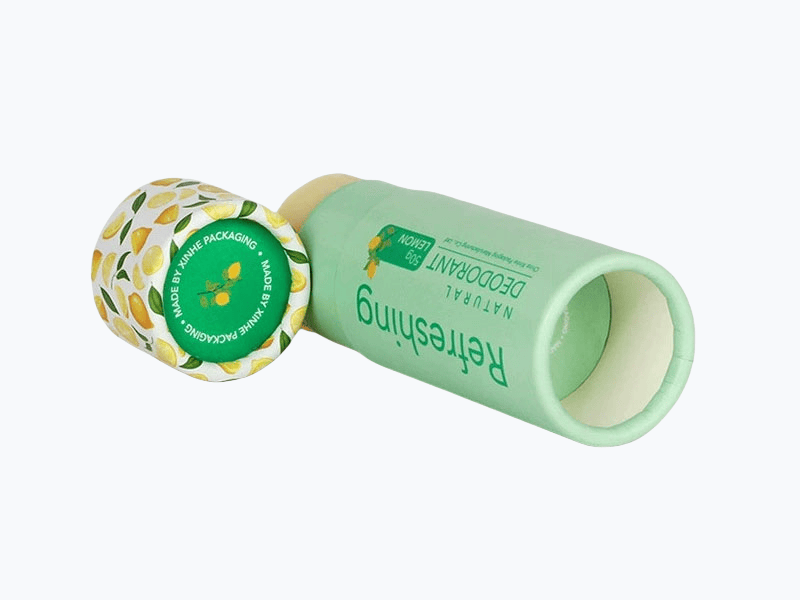
This is a detail only an experienced factory will catch. When a tube is empty and sealed, the air trapped inside creates a vacuum effect. If the fit is airtight but the venting is poorly designed, the internal air pressure can actually push the base disc upward on its own when the lid is removed.
Seeing your plastic-free lip balm tubes arrive with uneven internal discs is frustrating. We solve this through precise structural venting and disc-depth calibration. It’s a small detail, but it’s the difference between a professional product and a DIY-looking one.

4. 360-Degree Branding with a Zero-Waste Soul
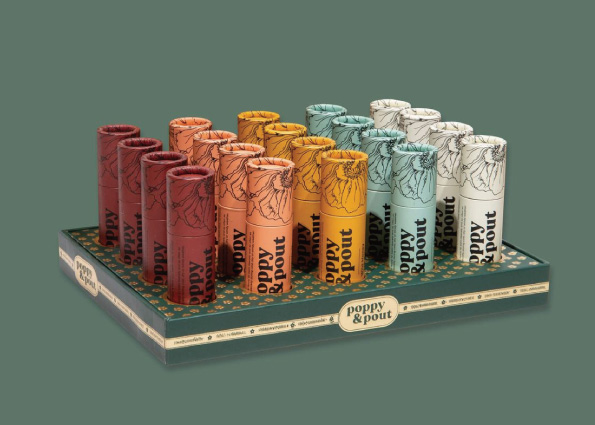
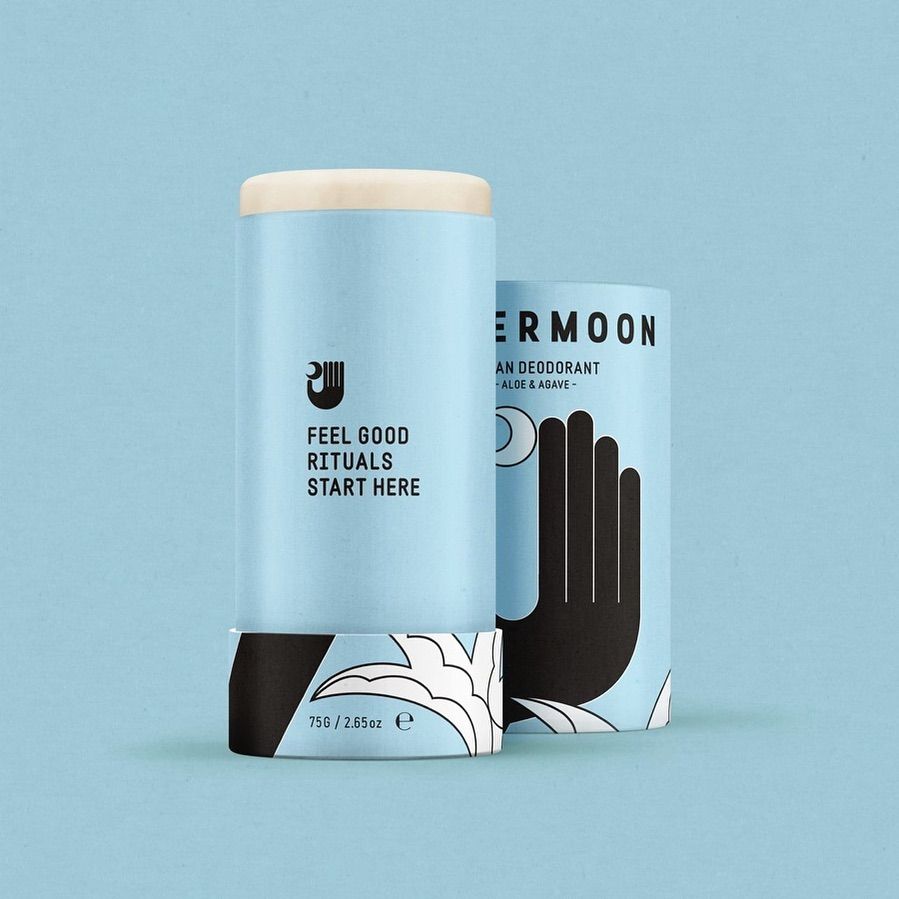
The beauty of biodegradable lip balm tubes is that they offer a completely uninterrupted canvas. Without the break of a plastic dial at the bottom, your artwork can wrap seamlessly around the entire cylinder.
Tactile Finishes: We can apply soft-touch matte laminates (which are still compostable-friendly) or use soy-based inks to ensure the “green” story is consistent inside and out.
The “Cradle-to-Cradle” Promise: Because we use a mono-material paper structure, your customer can simply toss the finished tube into a compost bin. No hidden plastic parts, no sorting required.
Standard Size Chart for Biodegradable Lip Balm & Deodorant Tubes
Choosing the right dimensions is the first step toward a perfect fit. While we offer full customization for any diameter or height, most successful brands utilize these industry-standard specifications to optimize production speed and minimize tooling costs.
| Product Type | Capacity (Approx.) | Internal Diameter (ID) | External Height (H) | Best Use Case |
| Mini Balm | 5g / 0.15 oz | 16 mm | 60 mm | Lip balms, sample sticks |
| Standard Balm | 10g / 0.35 oz | 18 mm | 70 mm | Premium lip treatments, salves |
| Travel Stick | 15g / 0.5 oz | 18 mm | 70 mm | Solid perfumes, travel sunscreens |
| Small Deodorant | 30g / 1.0 oz | 28 mm | 80 mm | Eye creams, small deodorant sticks |
| Medium Deodorant | 50g / 1.7 oz | 32 mm | 100 mm | Standard deodorant, body balms |
| Large Deodorant | 75g / 2.5 oz | 34 mm | 120 mm |
3 Things to Consider When Choosing Your Size:
Fill Volume vs. Total Volume: Remember to leave “headspace” at the top (usually 5mm) so that the lid doesn’t touch the surface of your balm when closed. Our suggested capacities already account for this safety margin.
Wall Thickness: Our biodegradable lip balm tubes typically feature a wall thickness of 1.1mm to 2.0mm. This provides the necessary rigidity to handle the “push-up” pressure without the tube losing its shape over time.
The “Formula Weight” Variable: Since oils, waxes, and powders have different densities, 10g of a lip balm might take up more or less space than 10g of a deodorant. We always recommend sending us your bulk product or its density specs so we can verify the perfect height for your slide-up paper tubes.
Not sure which size fits your formula? Simply tell us your target weight in grams or ounces, and we will calculate the precise dimensions for you. Contact us today for a custom sizing recommendation.
A Pro-Tip from the Factory Floor
If you are making the switch to biodegradable lip balm tubes, I always give my clients two pieces of advice:
Watch Your Pour Temperature: Paper absorbs heat differently than plastic. Pouring too hot can cause the oils to “flash-wick” into the paper before the balm sets.
The 14-Day Test: Never skip compatibility testing. We always encourage brands to fill our sample zero-waste applicators with their actual formula and leave them in a warm environment for two weeks. If there’s no oil migration and the “push” remains smooth, you’re ready for production.
Ready to test the “glide” for yourself? We have a dedicated sample kit for personal care brands featuring various liner types and sizes. Let’s find the exact specs that make your formula shine.