Consumers are becoming more conscious of the environmental impact of packaging, especially in the food industry. Traditional plastic and metal containers contribute to waste and pollution, making sustainable food powder packaging a pressing concern. With the rise of biodegradable materials and eco-friendly innovations, brands have the opportunity to adopt packaging that not only preserves product freshness but also aligns with global sustainability goals.
Key Challenges of Sustainable Food Powder Packaging
1. Balancing Sustainability with Protection
While sustainability is important, food powder packaging must also provide the level of protection required by the product, especially against moisture, oxygen, light and contamination. The required barrier and sealing performance depends on the powder characteristics and target shelf life.
2. Regulatory & Safety Concerns
Many consumers assume that all food powder packaging is safe, but that’s not always the case. Poor packaging choices can lead to contamination, chemical migration, and even legal troubles.
Key Safety Risks in Powder Packaging:
Chemical Leaching – Certain plastic or low-quality packaging materials may release harmful substances (e.g., BPA, phthalates) into the food powder.
Moisture and Oxygen Ingress – Inadequate sealing can allow moisture or air to degrade the product, affecting freshness and safety.
Regulatory Non-Compliance – Countries have strict food packaging regulations (like FDA, EU 10/2011, and China’s GB standards). Non-compliance can result in product recalls and brand damage.
What to Check When Selecting Food Powder Packaging
- Food-Contact Materials – Materials that directly contact the powder should be selected according to the product and applicable market requirements.
- Barrier & Sealing Requirements – Moisture- or oxygen-sensitive powders may require a higher-barrier liner and more reliable sealing structure. Composite paper canisters can combine barrier liners with machine-sealed closures to improve protection against moisture, oxygen and external contamination.
- Testing & Compliance – Material specifications and required testing should be confirmed according to the product, target market and filling conditions.
Best Materials for Sustainable Food Powder Packaging
Various materials contribute to sustainable food powder packaging. Some of the most effective options include:
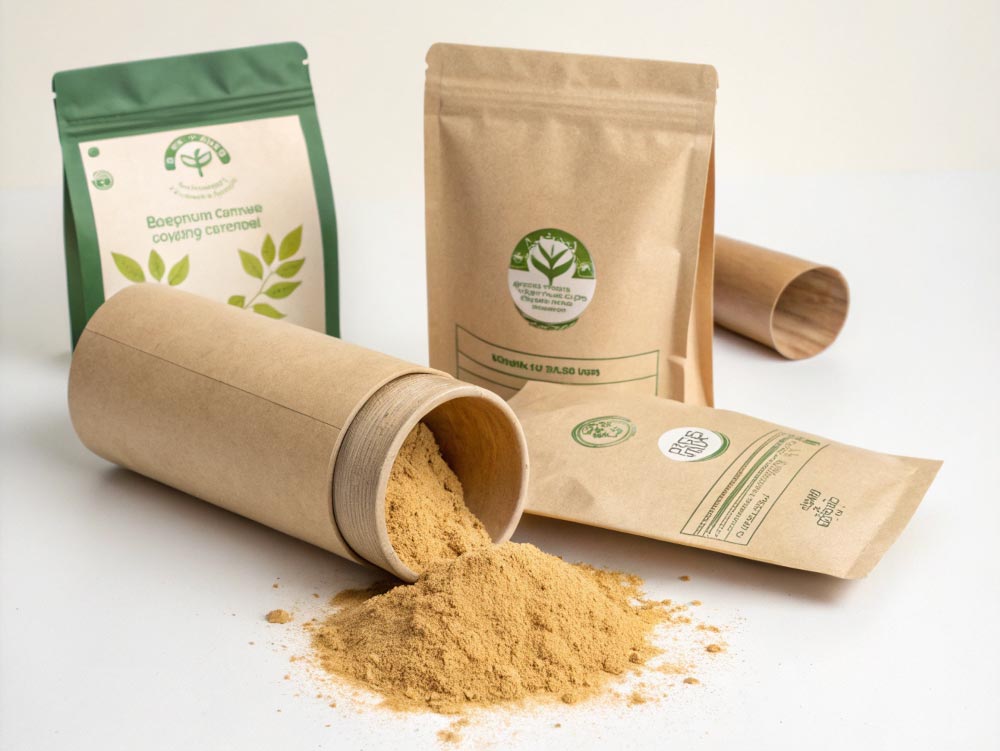
Recycled Kraft Paper & Cardboard – Fully biodegradable and easy to print on, making it an excellent branding choice.
PLA (Polylactic Acid) Coatings – A plant-based bioplastic that provides a moisture barrier while remaining compostable.
Compostable Films & Liners – Used as inner layers to protect powder from contamination while maintaining eco-friendliness.
Aluminum-Free Barrier Paper – Offers excellent oxygen and moisture resistance without compromising sustainability.
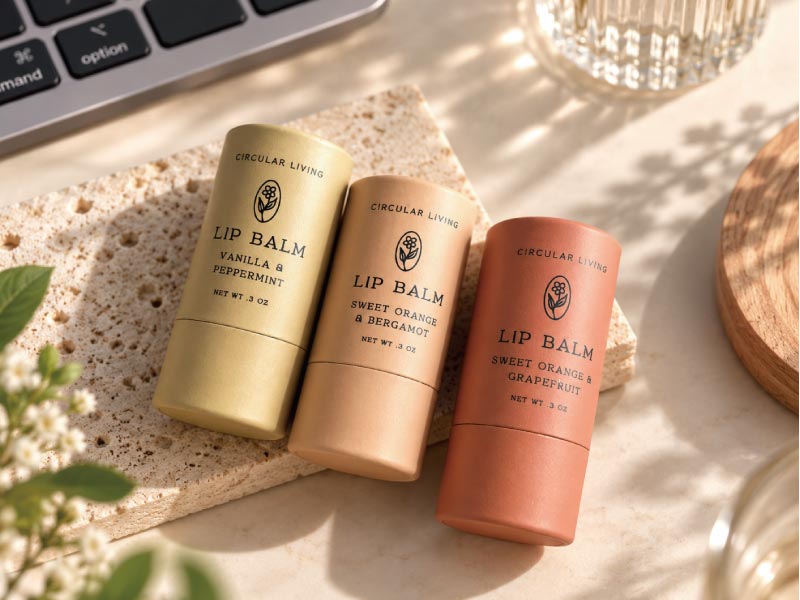
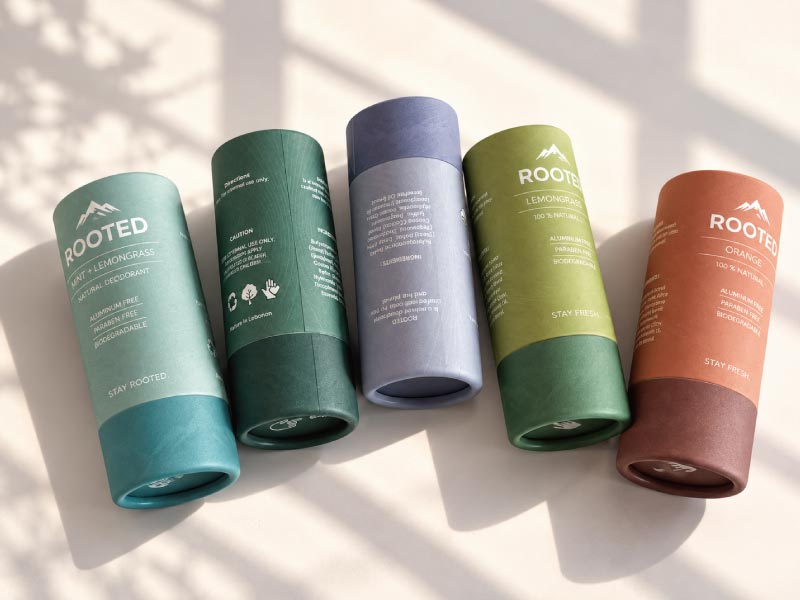
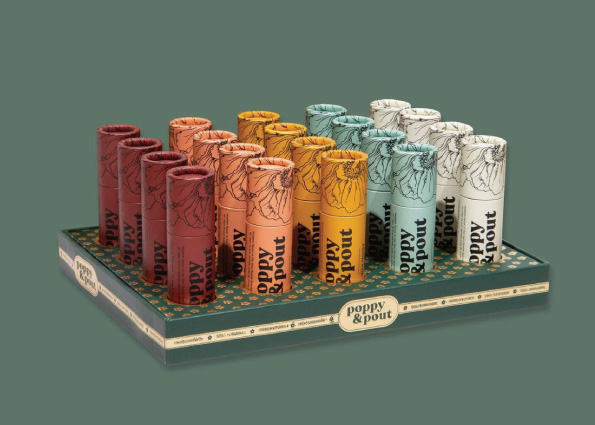
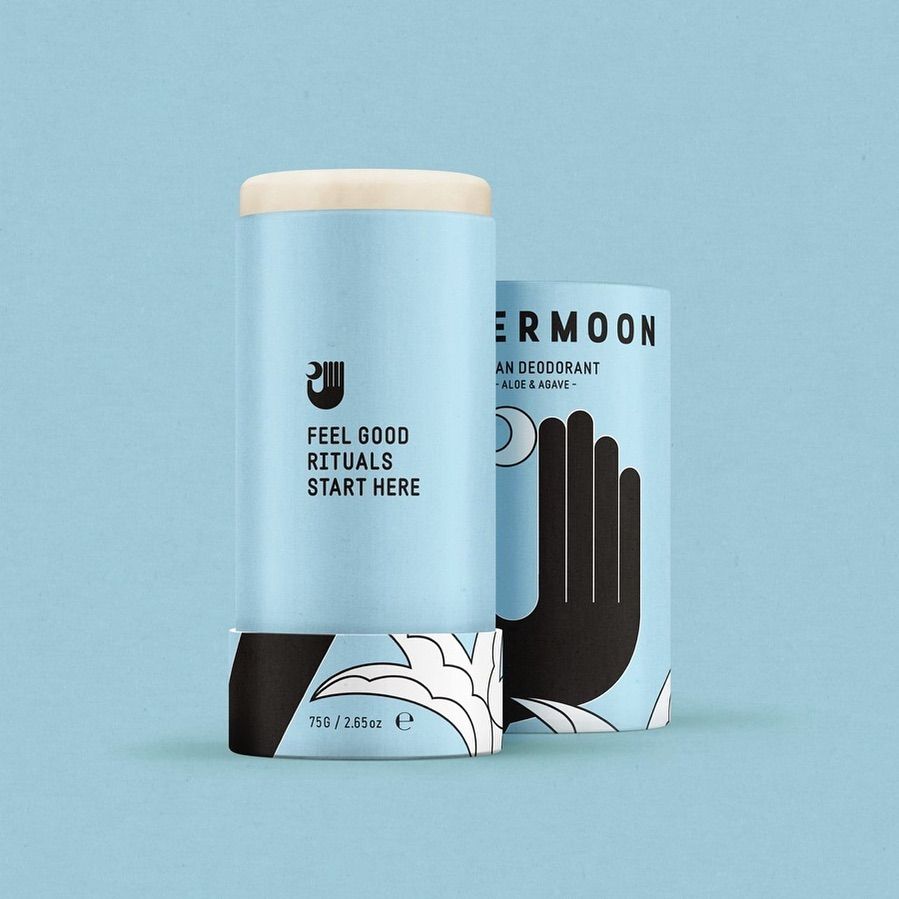
How Paper Canisters Enhance Sustainable Food Powder Packaging
For food powders that require stronger barrier and sealing performance, paper canister packaging is one of the structures we commonly recommend.
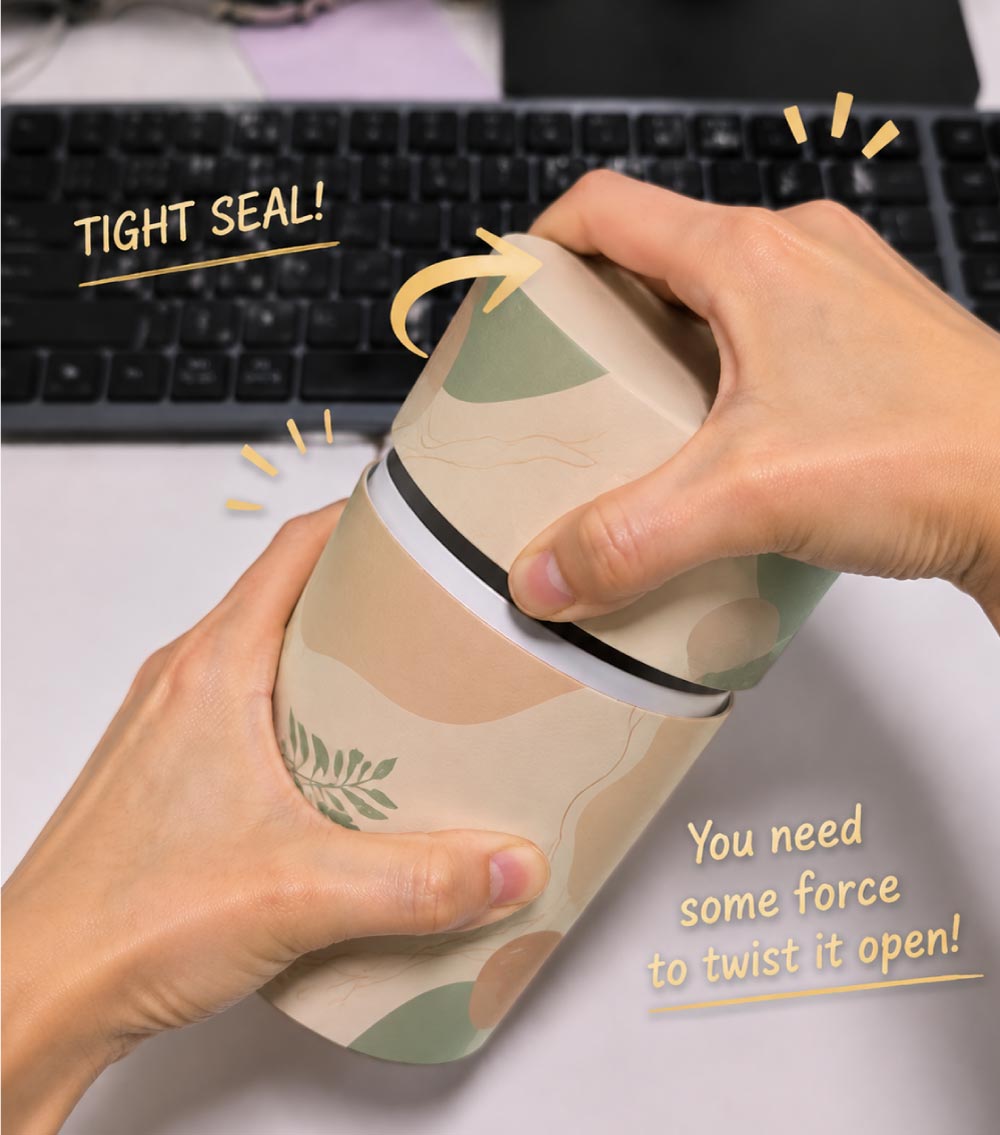
- Machine-Sealed Closure
Suitable closure options can provide stronger sealing performance for moisture-sensitive food powders. - Paper-Based Structure
The main tube body is made primarily from paper, while the final material combination depends on the required liner, barrier and closure. - Custom Branding
The outer wrap can be customized with printing, finishes and branding according to the product positioning.

In our experience, the right structure for food powder depends not only on the powder itself, but also on the required shelf life and filling process. For example, protein powder, milk powder and seasoning powder may require different liner and closure combinations depending on their moisture sensitivity and storage requirements.
The Future of Sustainable Food Powder Packaging
Sustainable food powder packaging is not simply about replacing plastic with paper. The packaging still needs to meet the product’s barrier, sealing and shelf-life requirements. For powder products, the best solution is usually a balance between material reduction, product protection and practical filling conditions.
If you share your powder type, required shelf life, filling method, tube size and order quantity, we can recommend a suitable paper canister structure for sampling and testing.