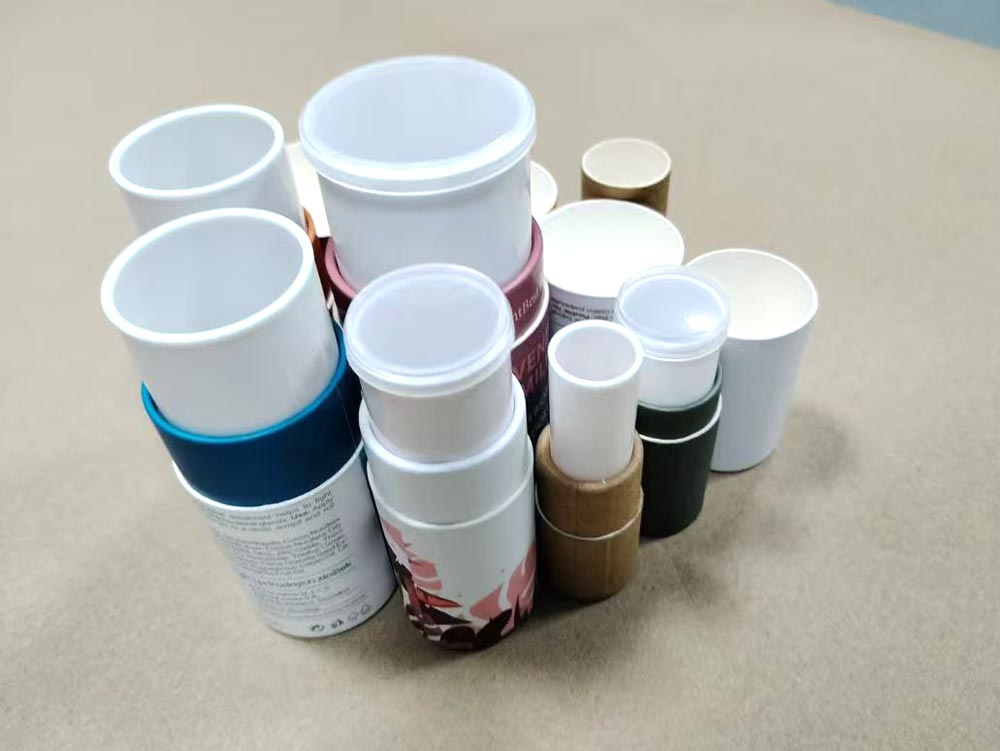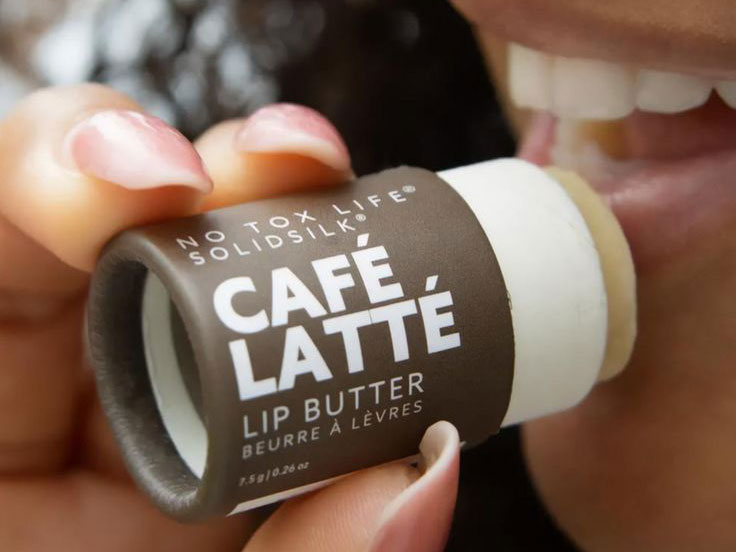
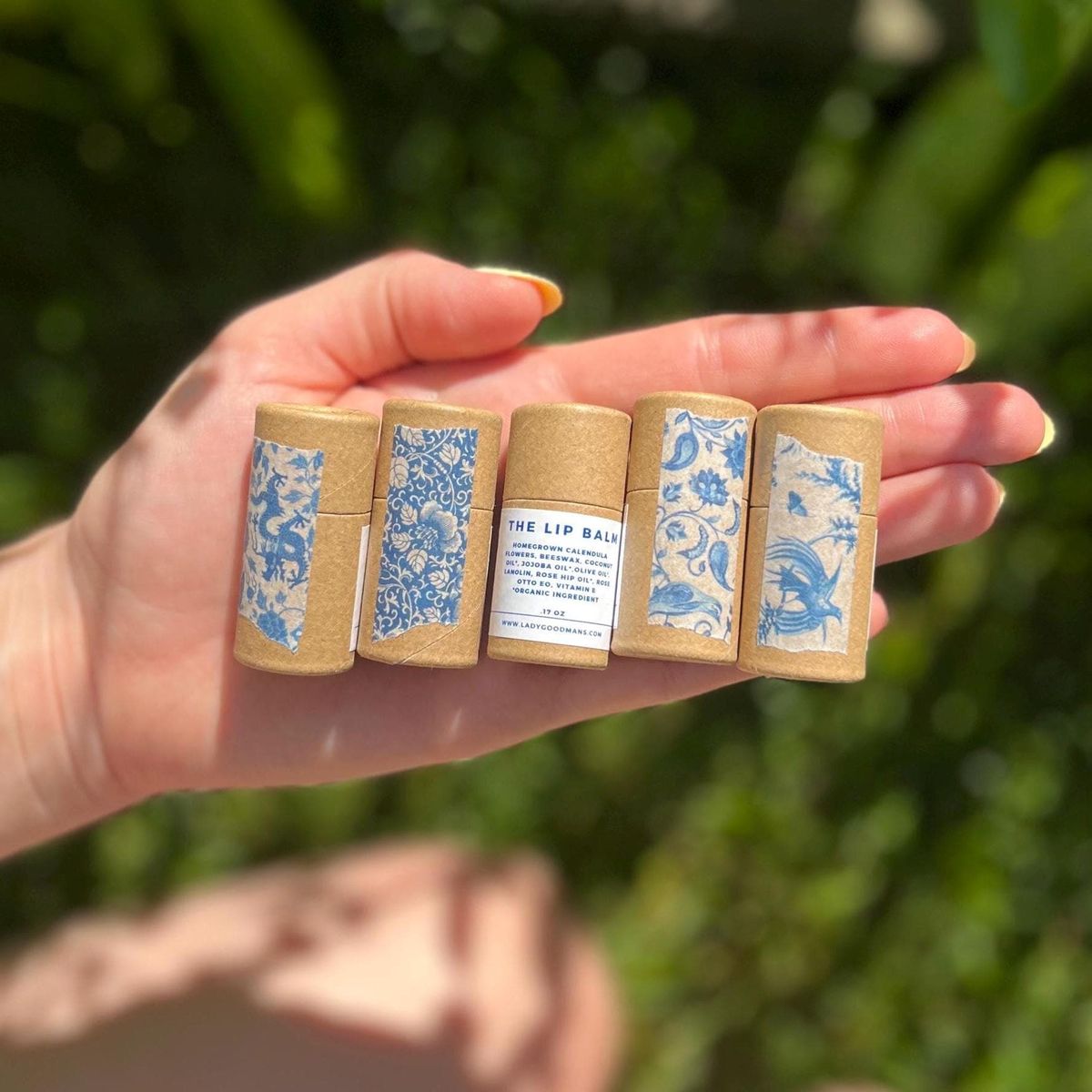
If you’re wondering how to choose lip balm packaging, the key is to know lip balm packaging is not just a design decision — it directly affects product stability, user experience, brand positioning, and long-term scalability.
Short answer:
The right packaging depends on how well it aligns with your product formula, brand identity, target market, and future growth plans.
Many brands focus only on appearance or cost, but in reality, packaging is a system decision, not a single choice.
1. Start with Your Product Formula When Choosing Lip Balm Packaging
Before how to select lip balm packaging, you need to understand your product.
“Lip balm packaging must be compatible with the product formula to ensure stability, usability, and shelf performance.”
Key factors to evaluate:
- Texture (soft vs firm)
- Melting point (heat sensitivity)
- Oil content (risk of leakage or absorption)
Why it matters:
- Soft formulas may deform in weaker structures
- Heat-sensitive products require protective design
- Oil-rich balms need barrier lining to prevent leakage
A packaging solution that works for one formula may not work for another.
2. Understand Your Packaging Options
Common lip balm packaging types include:
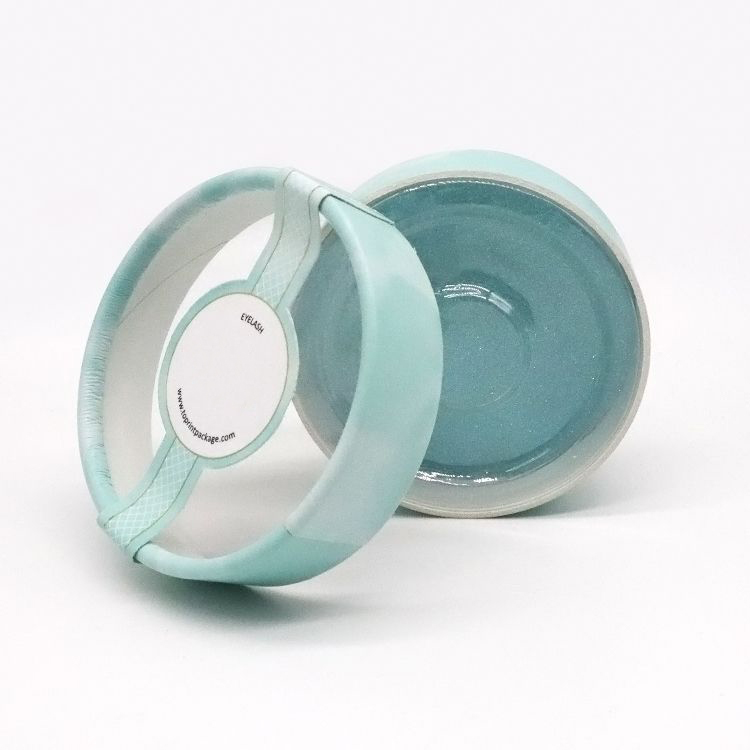
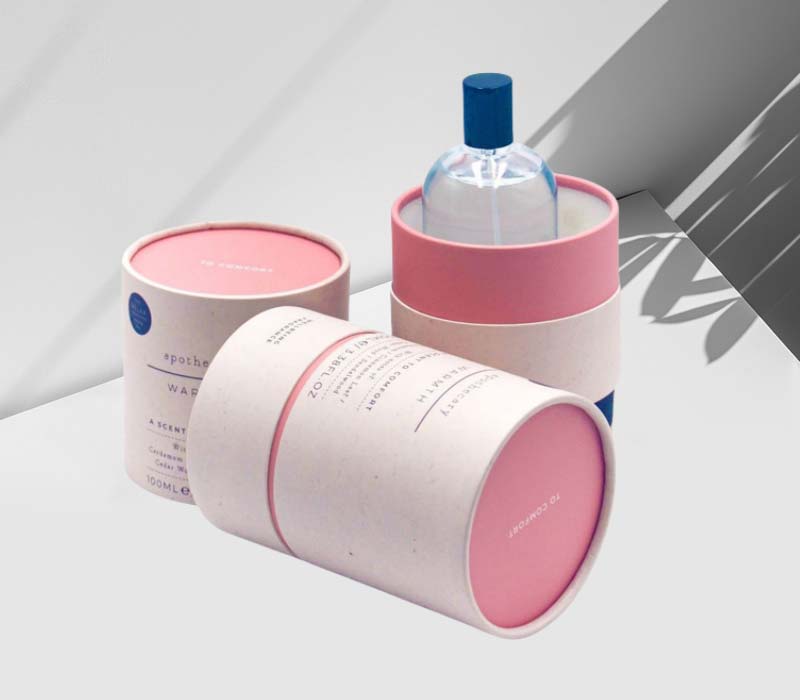
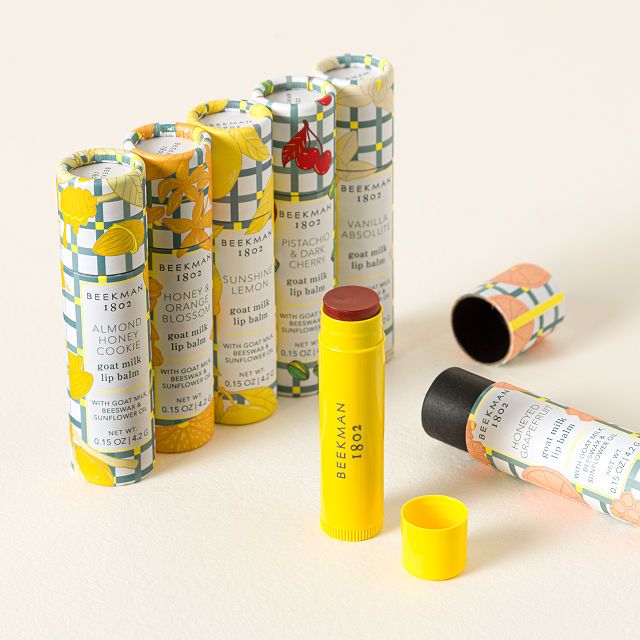
- Paper tubes
- Plastic tubes
- Metal containers
“Each packaging type involves trade-offs between sustainability, cost, user experience, and brand perception.”
Quick comparison:
| Type | Strength | Limitation |
|---|---|---|
| Paper Tube | Sustainable, premium feel | Heat sensitivity |
| Plastic Tube | Cost-efficient, familiar | Weak sustainability perception |
| Metal Container | Durable, protective | Less convenient for application |
The goal is not to choose the “best” option — but the one that best fits your product and brand.
3. Sustainability & Brand Positioning
Sustainability is no longer optional — it is a core part of brand identity, especially in the cosmetics industry.
“Packaging plays a critical role in how consumers perceive a brand’s environmental responsibility.”
Key considerations:
- Material origin (renewable vs fossil-based)
- Recyclability
- Consumer expectations
“Many consumers, especially in European markets, prefer brands that use paper-based or recyclable packaging.”
Sustainability is not just about materials — it’s about trust, positioning, and long-term relevance.

4. User Experience & Functionality
Even the most sustainable packaging can fail if it’s not user-friendly.
“Packaging usability directly impacts customer satisfaction, product perception, and repeat purchases.”
Questions to ask:
- Is it easy to apply?
- Does the mechanism feel smooth and reliable?
- Is it intuitive for first-time users?
Example:
- Push-up paper tubes → simple but less precise
- Twist-up tubes → more controlled and familiar
Consumers compare your packaging with what they are used to — not with your intentions.
5. Cost vs Brand Value
Cost is important, but it should not be the only factor.
“Lower-cost packaging may reduce initial expenses, but higher-value packaging can significantly enhance brand perception and justify premium pricing.”
Cost factors include:
- Unit price
- Customization level
- Printing and finishing
- Tooling or setup costs
Cheaper packaging can sometimes result in higher long-term costs due to weaker brand positioning.
6. Scalability & Long-Term Growth
As your brand grows, packaging requirements change.
“Packaging should be evaluated based on its ability to support consistent quality and scalability over time.”
Key questions:
- Can production scale efficiently?
- Is quality consistent across batches?
- Can the packaging support multiple SKUs?
As brands move from small batches to retail distribution, packaging consistency becomes critical.
6. Scalability & Long-Term Growth
As your brand grows, packaging requirements change.
“Packaging should be evaluated based on its ability to support consistent quality and scalability over time.”
Key questions:
- Can production scale efficiently?
- Is quality consistent across batches?
- Can the packaging support multiple SKUs?
As brands move from small batches to retail distribution, packaging consistency becomes critical.
8. When Paper Tube Packaging Is the Right Choice
Paper tube packaging is a strong option when:
- Sustainability is part of your brand identity
- You want a natural or premium aesthetic
- You target eco-conscious consumers
“Paper tube packaging is ideal for brands seeking sustainability, differentiation, and a more tactile user experience.”
9. Common Mistakes to Avoid
Many brands make these mistakes:
- Focusing only on cost
- Ignoring product compatibility
- Overlooking user experience
- Making short-term decisions
“Packaging decisions that ignore long-term brand impact often lead to costly redesigns.”
10. Final Decision Framework
Before choosing your packaging, ask:
- Does it fit my product formula?
- Does it align with my brand positioning?
- Can it support long-term growth?
“The best packaging choice is the one that aligns product performance, brand positioning, and long-term strategy.”
Conclusion
Choosing lip balm packaging is not about selecting a container — it’s about building a consistent product and brand experience.
Knowing how to choose the right lip balm packaging helps brands avoid costly mistakes and create a stronger, more scalable brand.
👉 Explore Custom Paper Tube Solutions
👉 Talk to Our Packaging Team