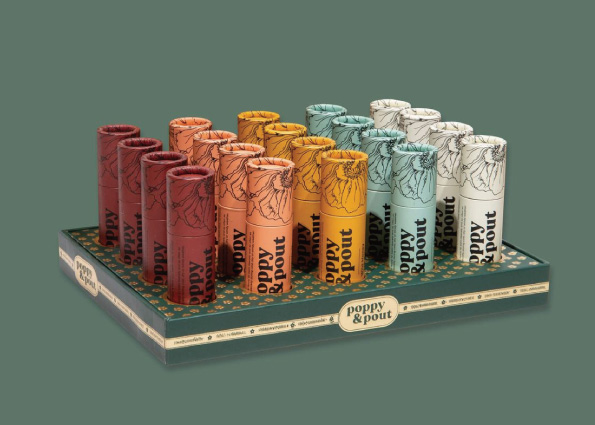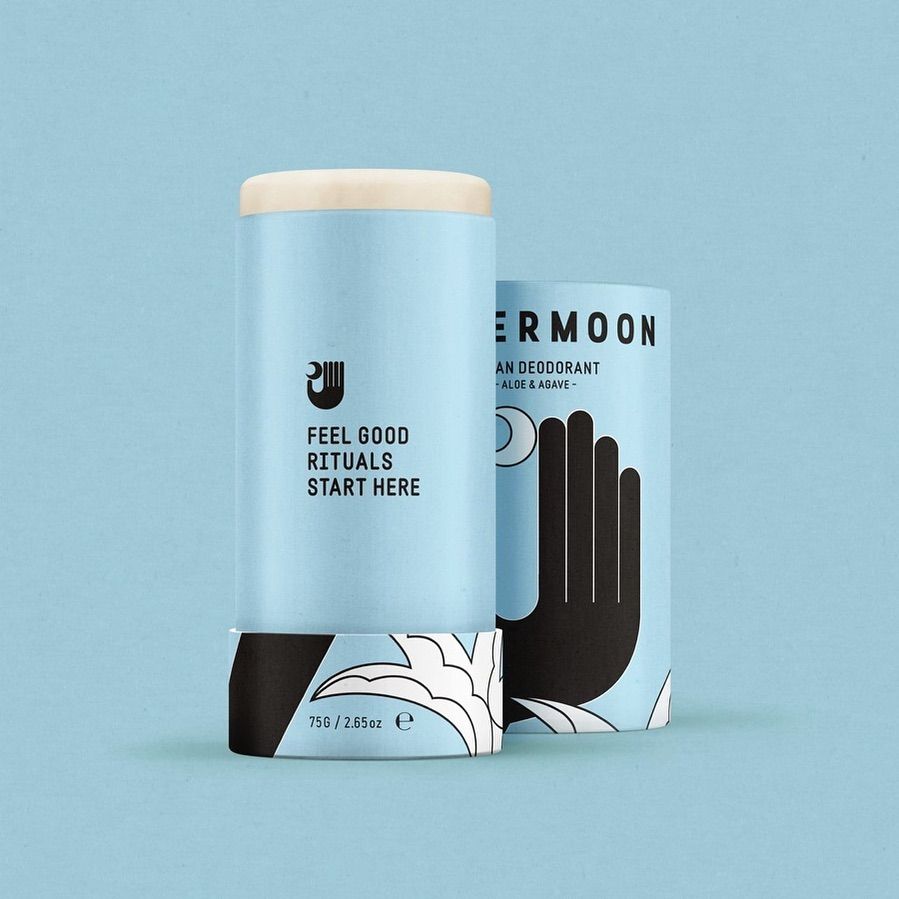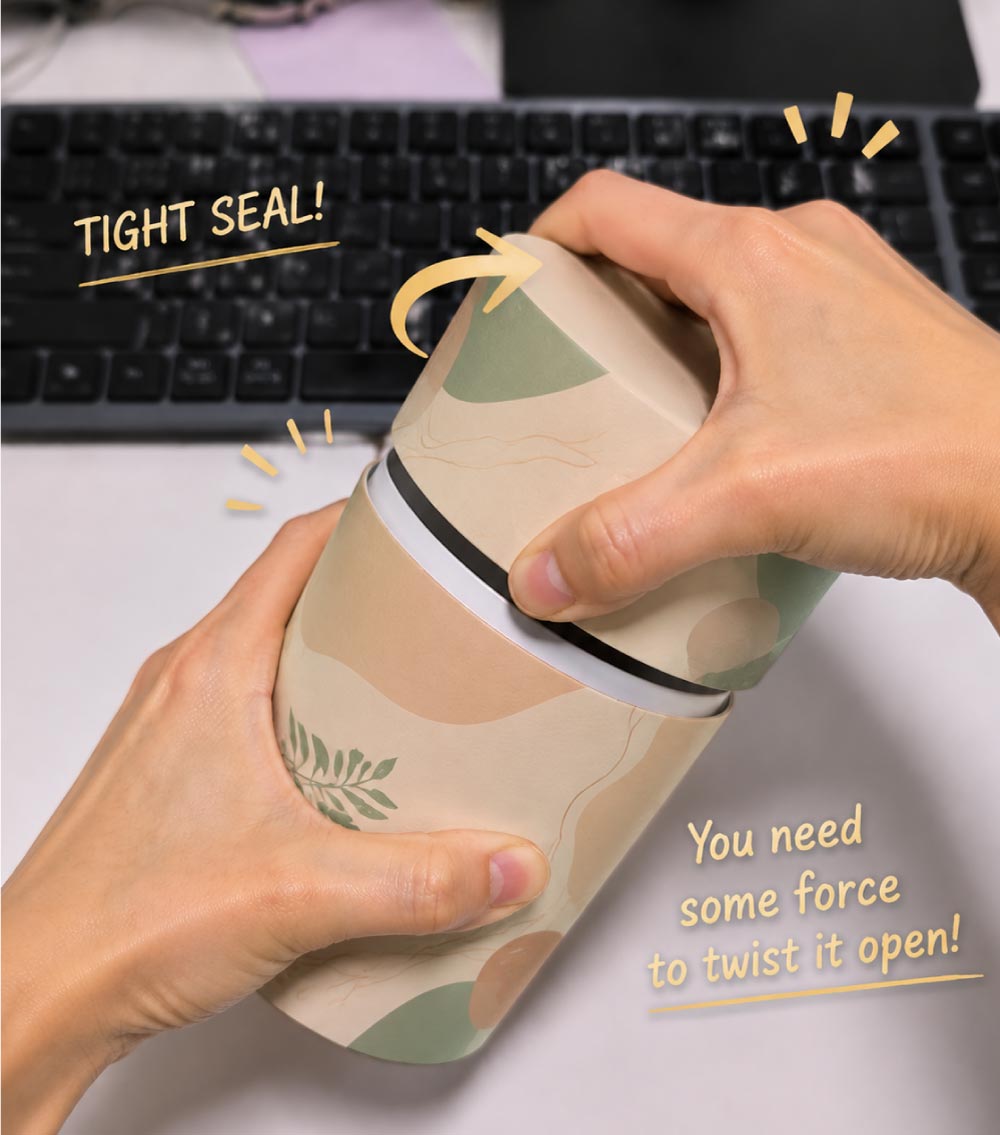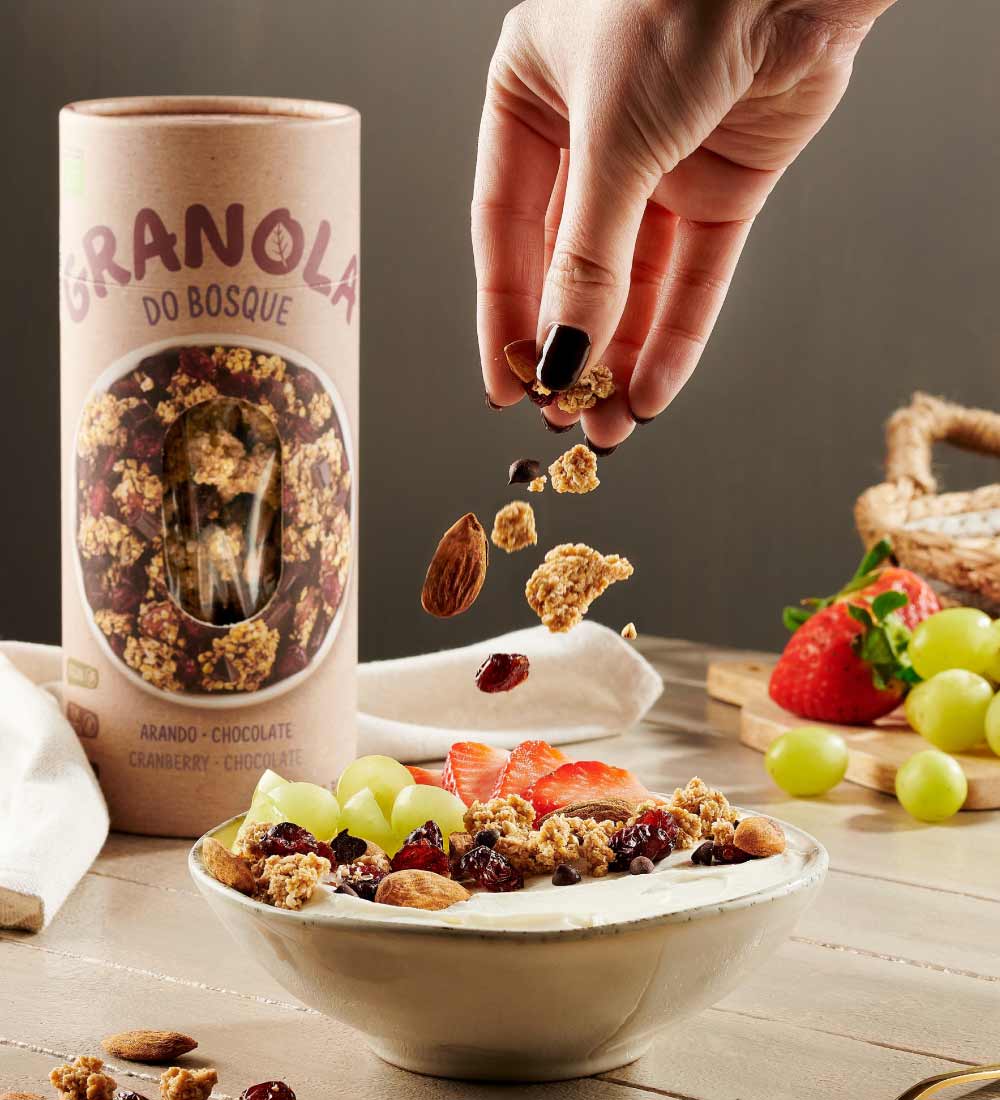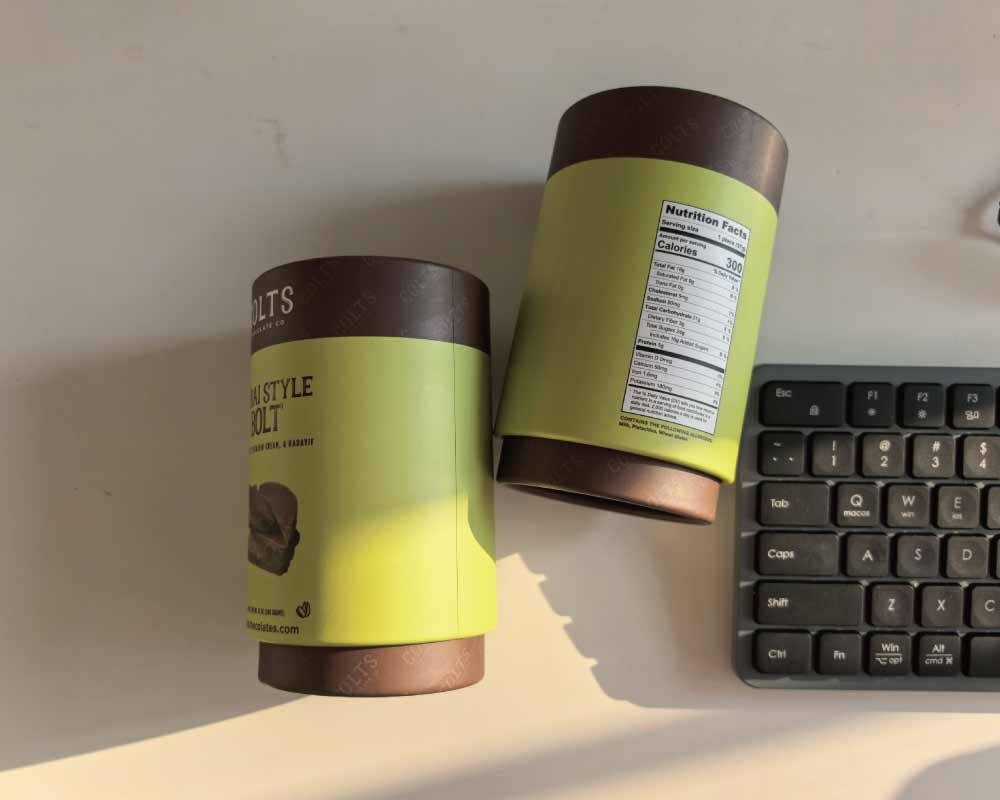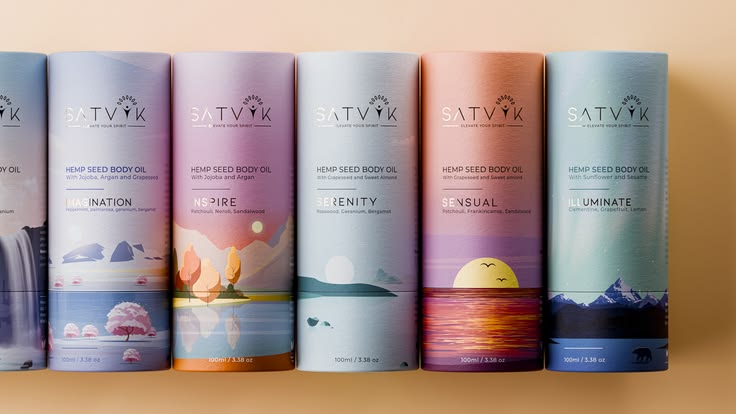
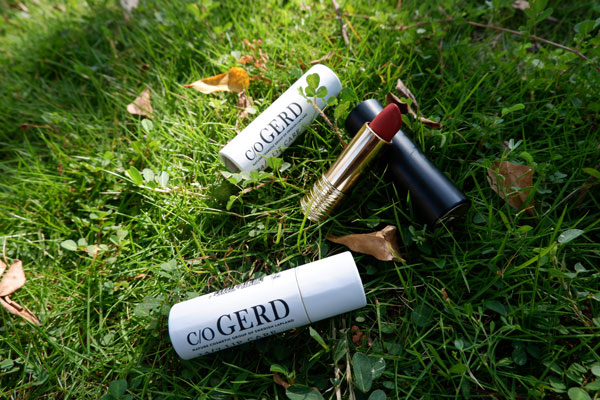
Paper tube lip balm packaging offers brands more than an alternative to conventional plastic tubes. Its structure, paper material, liner, size, printing method and filling requirements can all be customized according to the product and brand needs.
This guide provides a complete overview of paper tube lip balm packaging—from push-up and twist-up structures to material selection, printing, customization costs, sustainability, filling and storage considerations.
Chapter 1: Understanding Paper Tube Lip Balm Packaging
1.1 What Is a Lip Balm Paper Tube?
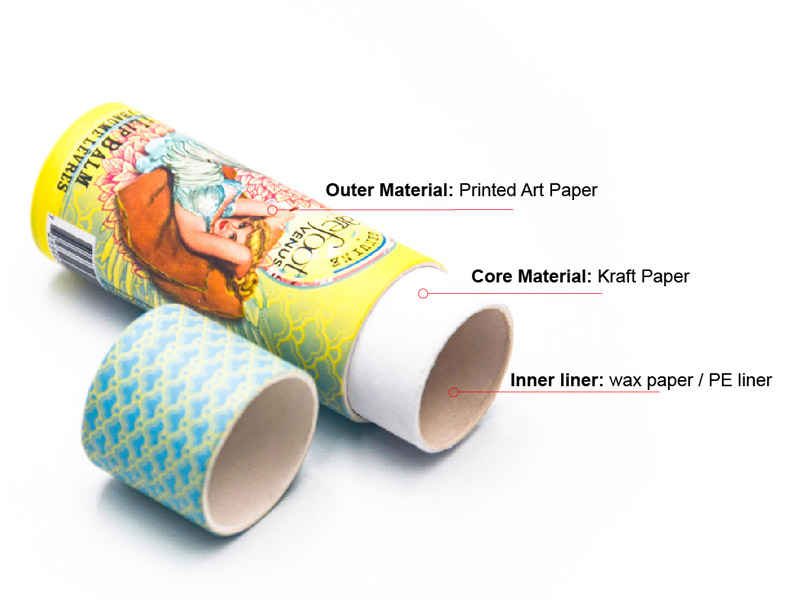
A lip balm paper tube uses a paperboard body as the main packaging structure and can be customized in different sizes, paper materials and printed designs.
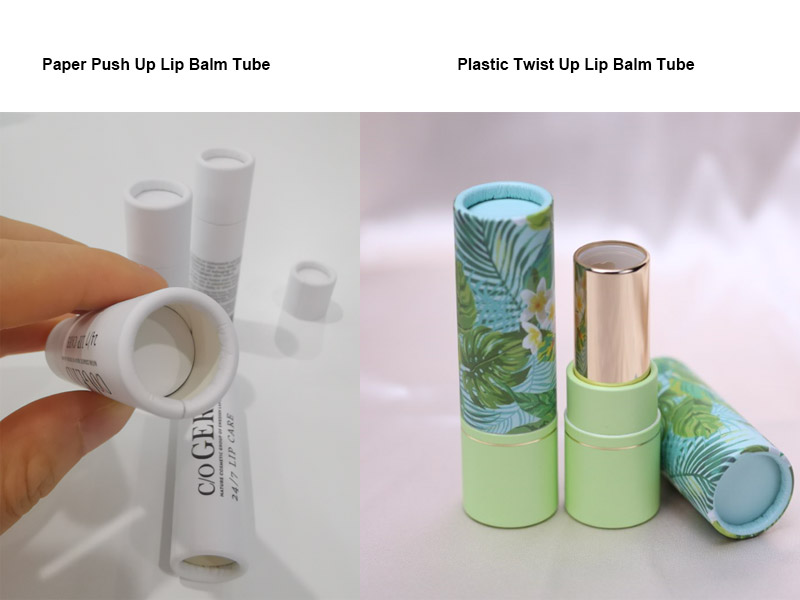
Two common dispensing structures are push-up and twist-up tubes. A push-up tube uses a movable bottom disc that is pushed upward by hand, while a twist-up tube uses an internal mechanism to raise the product by rotating the bottom.
Push-up tubes are especially suitable for brands looking for a simple paper-based structure with fewer plastic components, even totally eco-friendly paper materials only, while twist-up tubes provide an operating experience closer to conventional lip balm packaging.
1.2 What Are the Benefits of Paper Lip Balm Tubes?
Reduced Plastic Options: Paper tubes use eco-friendly paperboard as the main structural material and can be configured with different liners and finishes according to the brand’s sustainability goals.
Flexible Customization: Diameter, height, lid-to-base proportion, paper material, printing and finishing can all be customized to suit different products and brand designs.
Distinctive Paper Appearance: Coated paper, natural kraft, white kraft and specialty papers provide very different visual and tactile effects, giving brands more flexibility in packaging presentation.
Lightweight Structure: Paper tubes are lightweight and suitable for small solid products such as lip balm, solid balm and deodorant.
1.3 How Does a Push-Up Paper Tube Work?
A push-up paper tube contains a movable disc at the bottom of the tube. The user presses the disc upward with a finger, which raises the balm toward the opening.
Unlike a twist-up mechanism, the push-up disc is moved directly by hand. The fit between the disc and the inner tube wall is important: too much friction can make the balm difficult to push, while too little friction may affect stability.
For more detailed information about push-up structures, liners and filling considerations, see our lip balm push-up tube guide.
Chapter 2: How to Customize Paper Tube Lip Balm Packaging
Creating standout paper lip balm packaging is a fantastic way to reflect your brand’s unique identity and commitment to sustainability. Here’s how you can do it:
2.1 Structural Design Choices
The first decision is the dispensing structure. Push-up tubes use a bottom disc that is pushed upward by hand, while twist-up tubes use an internal rotating mechanism.
Push-Up Tubes: These are popular and eco-friendly. Users push up the balm from the bottom disc, adding a fun, interactive element.
Twist-Up Tubes: Combining convenience with eco-friendliness, these are similar to traditional plastic tubes but made from paper outer.
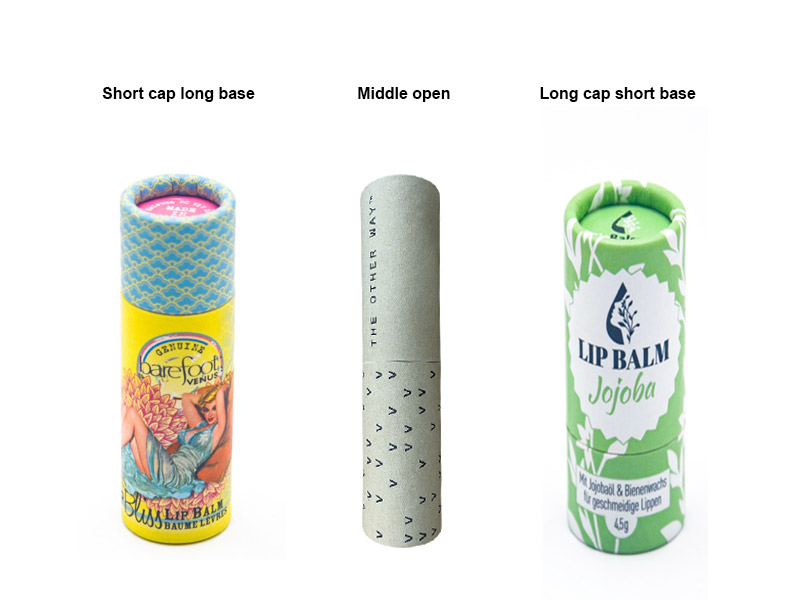
The lid and body proportions can then be adjusted according to the product size, required capacity and desired visual presentation. Common configurations include:
- Short cap with long base
- Middle-opening style
- Long cap with short base
2.2. Material Selection:
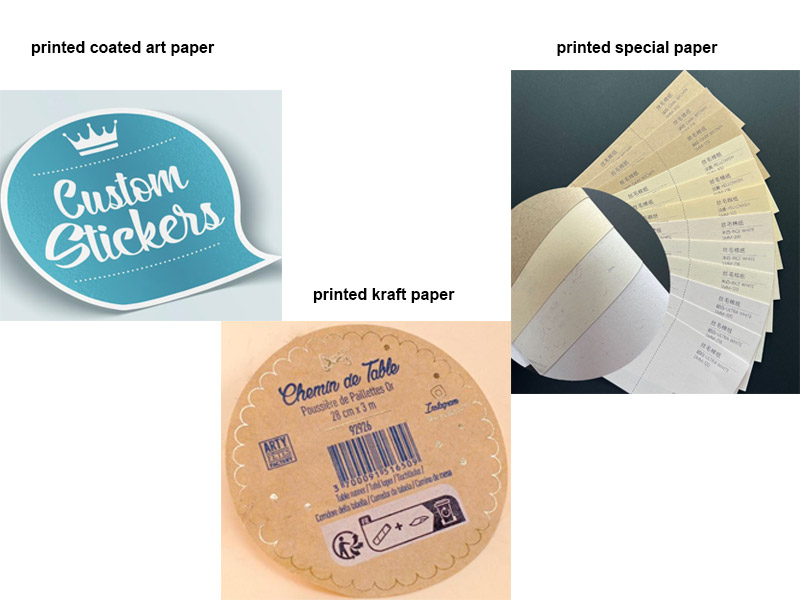
Coated Paper: Provides a smooth printing surface and is suitable for detailed graphics, CMYK printing and a clean, refined appearance.
Kraft Paper: Available in natural and white kraft options. Its uncoated surface creates a more natural texture, although the paper color and surface roughness can affect the final printed result.
Specialty Paper: Textured, colored and other specialty papers can create a distinctive tactile or premium appearance. Printing and finishing methods should be selected according to the specific paper surface.
The outer paper affects not only the appearance of the tube but also the printing and finishing options. We will compare these differences in more detail in Chapter 3.
2.3 Size & Capacity
Common weights of lip balm on the market typically include the following:
- 4 grams (0.14 oz)
- 5 grams (0.17 oz)
- 7 grams (0.25 oz)
- 10 grams (0.35 oz)
The tube dimensions can be customized according to the required filling capacity, from 4g to max. 100g. However, capacity should not be the only consideration for a push-up tube—the diameter also affects how easily the user can press the bottom disc.
A very narrow tube may provide the required capacity but leave too little space for a finger to push the disc comfortably. Based on our production experience, an 18 mm diameter can be produced for some applications, while 21 mm or above generally provides a more comfortable push-up experience.
The final diameter and height should therefore balance filling capacity, product proportions and ease of use.
2.4. Printing and Branding:
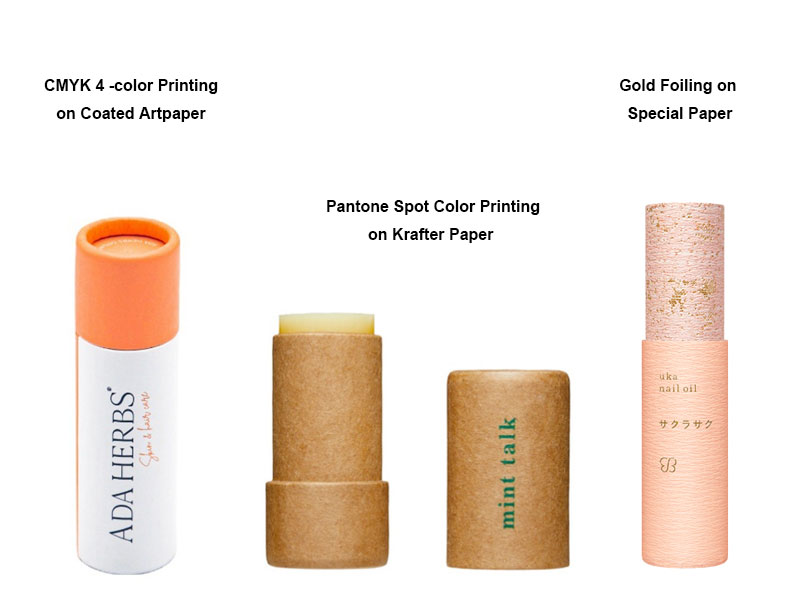
Common decoration options include CMYK printing, Pantone spot colors, foil stamping, embossing and debossing. However, the final result depends heavily on the paper surface.
Coated paper, kraft paper and specialty papers behave differently during printing and finishing, so choosing the paper and printing method together is important. We compare these combinations in Chapter 3.
2.5 A Custom Sustainable Lip Balm Tube Project
In one custom lip balm project, the client wanted to reduce plastic while keeping the packaging practical for an oil-based balm formula.
The initial material combination included a grease-resistant liner containing a small plastic component and coated outer paper with lamination. To better match the client’s sustainability goal, we changed the liner to a paper-based alternative and replaced the laminated coated paper with uncoated white kraft paper.
The design used three spot colors, while the push-up disc was also adjusted after sample testing to improve the balance between smooth pushing and product stability.
The client tested the packaging with the actual balm before mass production to confirm the material and structure compatibility.
Read the full sustainable lip balm packaging case study for the complete development process.
Chapter 3: Printing Considerations for Different Paper Materials
Choosing the right paper material for your lip balm packaging is crucial as it affects the printing method and the overall look and feel of the packaging. Here’s a fun and lively overview of different paper materials (coated paper, kraft paper, specialty paper) and the printing methods best suited for each, along with the effects they produce.
3.1. Coated Paper (Copperplate Paper)
Coated paper has a smooth and consistent surface, making it suitable for designs that require detailed graphics and controlled color reproduction.
Suitable printing options include:
- CMYK printing: Suitable for multi-color artwork, gradients and photographic images.
- Pantone spot colors: Useful when specific brand colors need tighter control.
- Foil stamping: Can be used to highlight logos, names or selected design elements.
- Embossing or debossing: Adds a tactile effect to selected areas.
Because of its smoother surface, coated paper generally provides cleaner detail and more predictable color reproduction than rough, uncoated papers. Lamination can also be added when additional surface protection is required.
3.2. Kraft Paper
Kraft paper has an uncoated and more textured surface than coated paper. Natural kraft also has its own brown base color, which can influence the appearance of printed colors.
Printing and finishing considerations include:
- Pantone spot colors: Often useful when the design relies on a limited number of brand colors and more controlled color reproduction is required.
- CMYK printing: Possible for suitable artwork, but the paper color and surface texture can affect brightness and color accuracy.
- Foil stamping: Works well for logos and simple design elements, creating a strong contrast against the natural paper surface.
- White kraft paper: Provides a lighter base than natural kraft while retaining an uncoated paper texture.
Because kraft paper has a rougher surface, the final printing and foil result will differ from coated paper. Surface protection also needs to be considered carefully. For some uncoated kraft papers, conventional lamination may not be suitable, so the printed or foiled surface may have less scratch protection than a coated and laminated paper.
3.3. Specialty Paper
Specialty papers include textured, colored, metallic and other decorative papers. In many cases, the paper itself becomes part of the packaging design, so less printing may be needed.
Common finishing options include:
- Foil stamping: Highlights logos or key design elements while allowing the original paper texture to remain visible.
- Embossing and debossing: Adds a tactile effect without relying heavily on printed graphics.
- Printing: Possible on many specialty papers, but the method and artwork may need to be adjusted according to the paper color, texture and surface treatment.
We recommend confirming the actual paper and printing combination during sampling, especially when color accuracy or fine details are important.
Chapter 4: Custom Paper Lip Balm Packaging Process
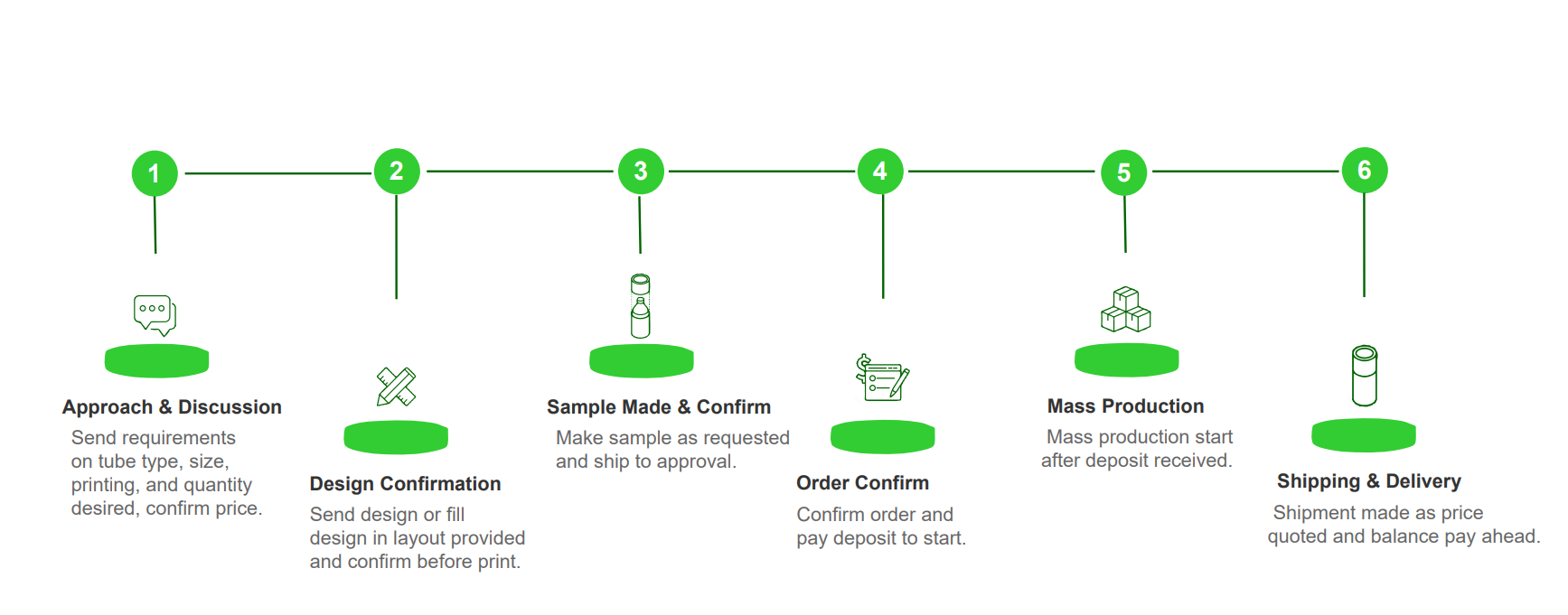
A typical custom paper tube project moves through the following stages:
- Requirement Discussion: Confirm the product type, filling capacity, tube structure, dimensions, materials, printing, finishing and order quantity.
- Design Confirmation: Prepare or check the artwork and confirm the final packaging specifications.
- Sample Production: Produce samples for checking size, appearance, structure and printing.
- Product Testing: For lip balm projects, we recommend testing the sample with the actual formula when liner compatibility, filling temperature or push-up performance needs to be confirmed.
- Mass Production: Begin bulk production after the sample and specifications are approved.
- Inspection and Shipping: Check the finished packaging before packing and shipment.
Chapter 5: How to Control Custom Paper Lip Balm Packaging Costs
The cost of custom paper lip balm tubes is affected by the structure, size, materials, printing, finishing and order quantity. A few practical decisions can help control the final unit cost.
5.1 Choose Materials According to the Actual Requirement
Coated paper and standard kraft papers are generally more economical than some specialty papers. Select the material according to the required appearance, printing effect and sustainability goal rather than adding unnecessary material features.
5.2 Keep Printing and Finishing Focused
Each additional production process adds cost. Multiple foil colors, embossing, specialty papers and other decorative processes can increase setup and production costs.
A simple design with one carefully selected finishing process can sometimes create a stronger result than combining several processes.
5.3 Use Shared Sizes Across Multiple SKUs
If several lip balm products have similar filling volumes, using the same tube diameter or dimensions across multiple SKUs can simplify production and reduce additional setup or tooling requirements.
Different artwork and colors can still be used to distinguish each product.
5.4 Plan Order Quantity and Production in Advance
Larger production quantities generally spread setup, printing and production costs across more units, reducing the unit cost.
Planning orders in advance can also provide more flexibility for production and shipping than urgent orders.
Chapter 6: How Material and Finishing Choices Affect Sustainability
The sustainability of a paper lip balm tube depends on the complete material combination rather than the outer paper alone. The liner, coating, adhesive, lamination and finishing should all be considered when developing the packaging.
6.1 Outer Paper
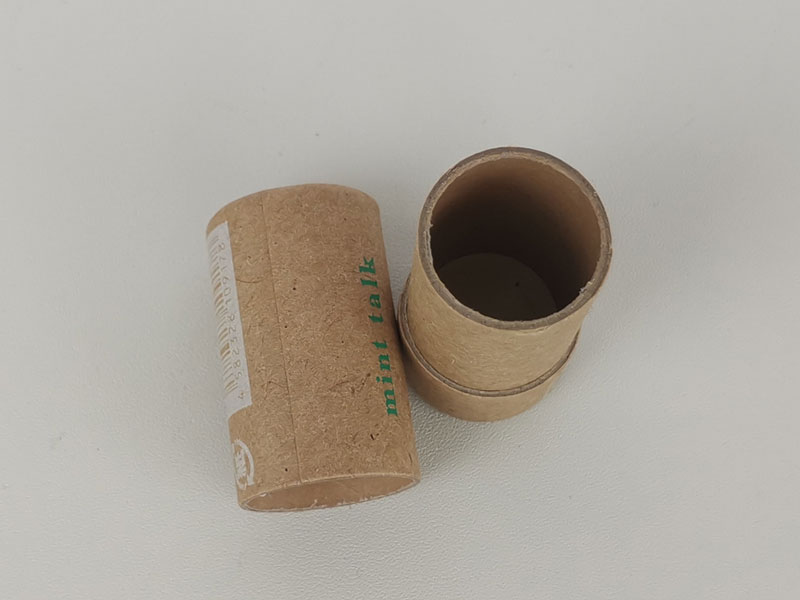
Natural kraft, white kraft, coated paper and specialty papers can all be used for lip balm tubes. Uncoated kraft papers can help reduce additional surface layers, while coated papers may provide better printing performance when detailed graphics are required.
6.2 Inner Liner
The liner is especially important for lip balm because the formula may contain oils that can migrate into the paper structure.
Different liner materials provide different levels of oil and moisture resistance. If reducing plastic is a priority, a paper-based liner can be considered, but compatibility should be tested with the actual balm formula before mass production.
6.3 Lamination and Surface Protection
Matt or gloss lamination can improve surface protection, but conventional plastic-based lamination adds another material layer to the packaging.
For brands aiming to reduce plastic, uncoated paper or other compatible surface treatments can be considered according to the required printing and durability.
6.4 Printing and Finishing
Printing and decorative processes should also be selected according to the sustainability target. A simpler design with fewer added material layers may be suitable for brands prioritizing material reduction, while other projects may prioritize durability or a premium appearance.
6.5 Can a Paper Lip Balm Tube Be Fully Biodegradable?
A fully biodegradable configuration can be developed when compatible paper-based materials, liner, adhesive and finishing are selected together.
However, not every paper tube automatically has the same environmental properties. The complete material configuration should be confirmed according to the sustainability goal of each project.
For a deeper look at the available options, see our guide to eco-friendly lip balm packaging.
Chapter 7: Recycling Considerations for Paper Lip Balm Tubes
Paper-based packaging may offer recycling advantages, but recyclability depends on the complete material structure and the requirements of the local recycling system.
The outer paper, liner, coating, adhesive and decorative finishes should be considered together. A tube containing additional plastic-based layers may follow a different recycling route from a simpler paper-based configuration.
For brands that prioritize recyclability, this goal should be discussed during material selection rather than considered only after the packaging has already been produced.
Consumers should also follow their local recycling guidelines, as accepted packaging materials and disposal requirements vary by location.
Chapter 8: Storage and Filling Considerations for Paper Lip Balm Packaging and Analysis of Melting Issues
To ensure the quality and performance of paper lip balm packaging and to address whether the melting of the balm is related to the paper tube packaging, please note the following storage and filling considerations:
8.1 Storage of Empty Paper Tubes
Paper tubes should be stored in a clean, dry and well-ventilated environment and protected from excessive humidity, direct heat and large temperature changes.
Because paper is sensitive to moisture, prolonged exposure to a humid environment can affect the tube dimensions, lid fit and structural stability. This is particularly important for push-up tubes, where dimensional changes may also affect the movement of the inner disc.
Keep unused tubes properly packed before filling to protect them from dust and changes in ambient humidity.
8.2 Filling Temperature for Lip Balm
There is no single filling temperature that is suitable for every lip balm formula. The required temperature depends on the ingredients, viscosity and melting characteristics of the balm.
In general, use the lowest filling temperature that still allows the balm to flow and fill the tube properly. Excessive heat exposure should be avoided where possible.
Before mass production, we recommend testing the actual balm formula with the selected paper tube and liner to confirm filling performance, liner compatibility and the final product result.
8.3 Formula Compatibility and Melting Issues
The paper tube does not determine the melting point of the lip balm—the balm formula itself determines how the product responds to temperature.
However, if a balm becomes very soft or liquid under high-temperature conditions, the packaging still needs to contain the formula without oil migration, leakage or structural damage.
For formulas with a high oil content or ingredients that may interact with the liner, testing with the actual product is especially important. If compatibility problems appear, the liner or material configuration may need to be adjusted before mass production.
Conclusion
Custom paper tube lip balm packaging involves more than choosing a paper tube and adding a printed design. Structure, size, paper material, liner, printing, finishing, filling conditions and sustainability goals all need to work together.
For brands developing a new lip balm package, testing the actual product with the selected packaging before mass production can help identify potential issues with filling, liner compatibility and push-up performance.
Explore our custom lip balm paper tubes to see available structures, materials and customization options.