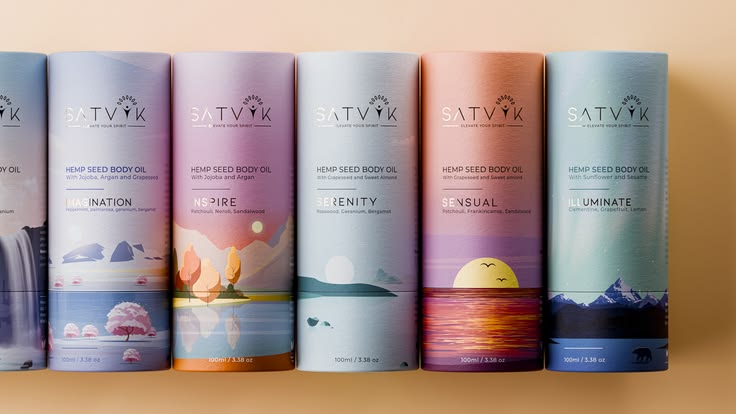
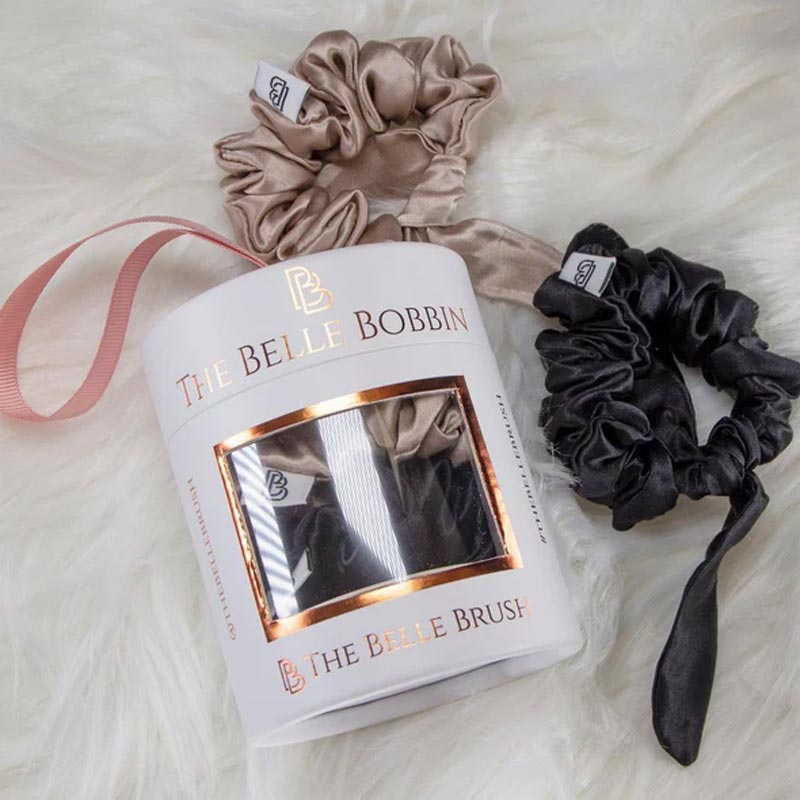
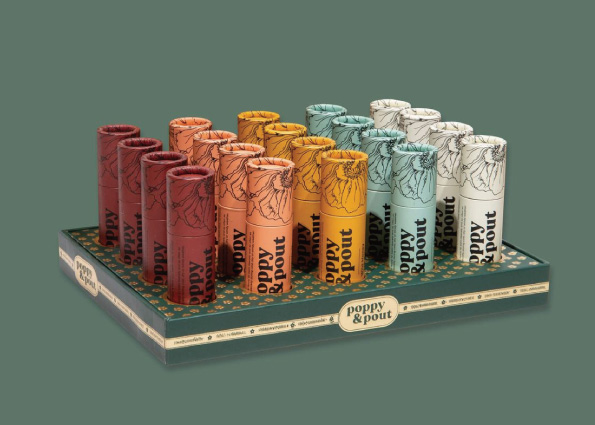
The Paper Tube with Window has become the premier solution for brands seeking transparent product presentation and a premium image. For businesses looking for innovative packaging, this design perfectly combines the sturdy protection of a Cylinder Paper Box with the powerful visual marketing of a Paper Tube with Window. This article will answer your questions about how to effectively boost sales and communicate brand value by customizing a Paper Tube with Window wholesale solution.
I. Fundamentals and Structure (Focus: What is a Paper Tube with Window?)
Q1: What is Paper Tube with Window Packaging?
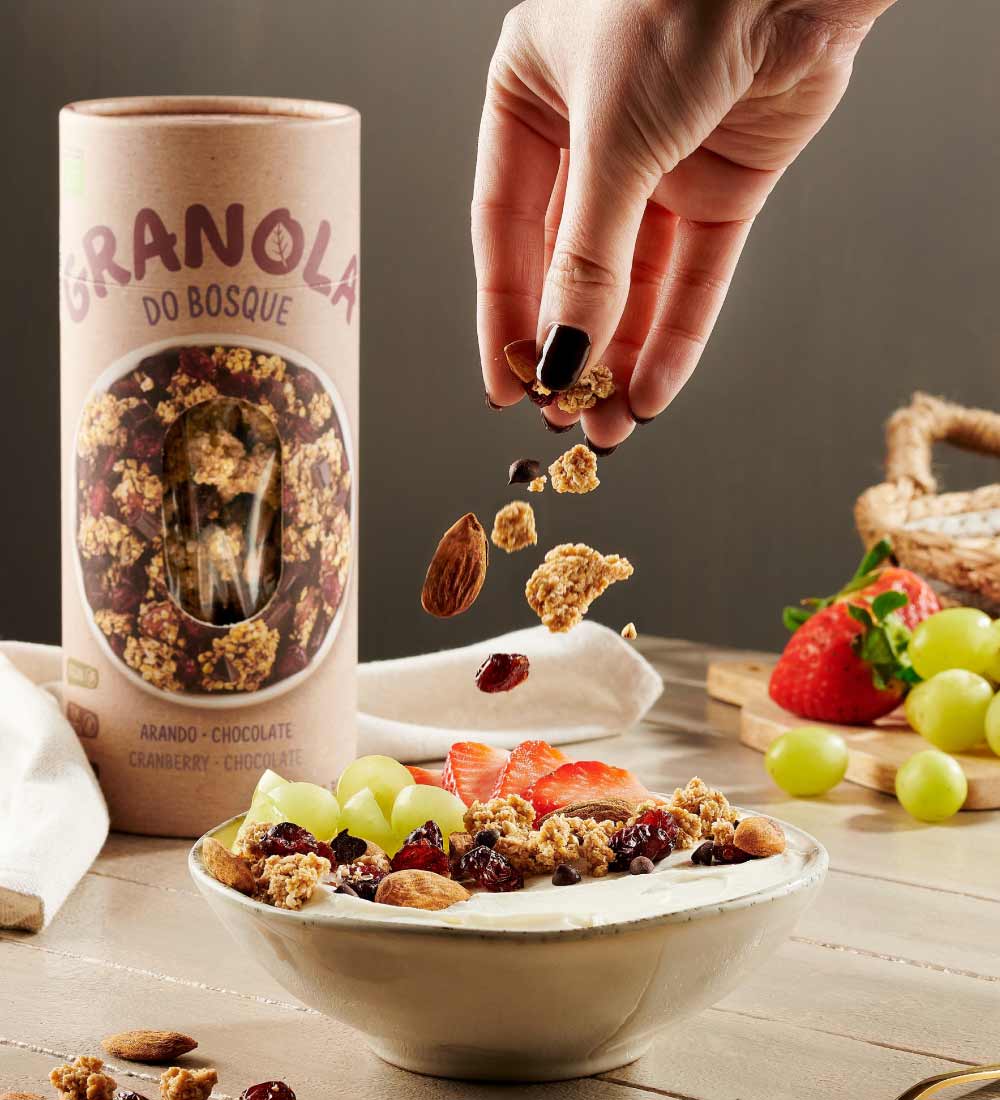
A: A Paper Tube with Window is an innovative cylindrical packaging structure that integrates a transparent “window” into the main body or lid of the paper tube. This design allows the product to be clearly displayed without opening the package. It combines the strong protective qualities of a traditional paper tube with the crucial marketing advantage of visual packaging.

Q2: What material is typically used for the window, and is it eco-friendly?
A: The window material is usually a highly transparent plastic film such as PET (Polyethylene Terephthalate) or PVC (Polyvinyl Chloride). For brands prioritizing sustainability, we highly recommend using PLA (Polylactic Acid) or other biodegradable materials. When making a Paper Tube with Window wholesale order, you can specifically request eco-friendly materials to align with your brand’s green supply chain standards.
II. Design Advantages and Brand Representation (Focus: Why choose it?)
Q3: Why should brands choose a paper tube with a window? What is its biggest marketing advantage?
A: The biggest advantage is its immediate shelf appeal. The window design creates a “what you see is what you get” scenario, significantly shortening the consumer’s decision-making process. For products with unique textures, colors, or fine craftsmanship, a Paper Tube with Window instantly captures attention, builds trust, and effectively supports premium pricing.

Q4: What are the common forms of window designs? (e.g., full window, partial window, special shapes)
A: Window designs are flexible and diverse:
Full Top Lid Window: The most common format, offering a complete top-down view of the product.
Partial Window: A specific shape (like a circle, heart, or brand logo) cut out on the side of the tube for selective display, enhancing aesthetic appeal.
Transparent Sleeve: The window wraps around the entire body of the tube for 360-degree visibility.

Q5: How can window design be integrated with internal product display and brand storytelling?
A: The window is an effective tool for brand storytelling. You can use the window to precisely showcase the most impressive details of your product—for example, handcrafted chocolates, a unique T-shirt graphic, or the natural color of an essential oil. By carefully designing the internal insert, the product can be fixed centrally within the window, maximizing the pre-unboxing anticipation.
III. Functionality and Protection (Focus: Functionality & Protection)
Q6: Does the window compromise the overall strength and protection of the paper tube? How is product safety ensured?
A: The primary protection of a Paper Tube with Window still comes from its sturdy spirally wound paperboard structure. High-quality window film is securely adhered to the inner side and does not significantly compromise the tube’s compression strength. To reinforce safety, we ensure the seal integrity of the window edges and maintain the required thickness of the tube body to protect contents during transit.
Q7: Is a paper tube with a window suitable for food packaging? What safety standards must be met?
A: Absolutely, but it is essential that all materials in contact with food meet food-grade standards. This includes the window film (must be food-grade PET) and the interior of the paper tube, which needs to be lined with PE coating or aluminum foil to ensure moisture barrier, oil resistance, and preservation. When placing a Paper Tube with Window wholesale order, always request food safety certifications for all materials used.
Q8: Can the window material provide UV protection or anti-fog capabilities to adapt to different environments?
A: Yes, these can be customized. Certain specialty window films can be coated with UV Protection to safeguard products sensitive to light (like essential oils or certain food colorings). Furthermore, for products requiring refrigeration or frequent temperature changes, anti-fog treated window film can be used to ensure the visual display remains crystal clear.
IV. Mainstream Applications and Industry Cases
Q9: Which products are best suited for Paper Tube with Window packaging? Please provide mainstream application examples.
A: Any product aiming to elevate its premium value through visual appeal is suitable:
Food: High-end coffee beans, craft beer bottles, baked goods, herbal teas, or bulk candies.
Apparel/Accessories: Uniquely designed socks, T-shirt bundles, or handcrafted ties.
Beauty/Gifts: Bath bombs, candles, artisan soaps, or small electronic accessories.

Q10: Can the use of a paper tube with a window quantify the increase in sales and perceived value?
A: The sales boost driven by a Paper Tube with Window is often significant. Studies show that visible packaging can increase purchase intent by over 30%. It enhances the product’s Perceived Value; consumers trust the product more due to the refined, transparent presentation, thereby supporting higher retail pricing.
V. Customization and Cost Considerations
Q11: What are the typical Minimum Order Quantities (MOQ) and lead times for custom paper tubes with windows?
A: The MOQ for Paper Tube with Window wholesale typically depends on the structural complexity and printing requirements, but usually ranges from 1,000 to 5,000 units. The production lead time (from design approval to shipping) usually takes 4 to 8 weeks.
Q12: How much does adding a window increase the cost compared to an all-paper tube? What are the main cost drivers?
A: Adding a window will marginally increase the unit cost. The main cost drivers include:
Window Material: Eco-friendly materials like PLA are more expensive than standard PET/PVC.
Window Size and Shape: Larger areas cost more; complex, non-standard shapes require additional die-cutting processes.
Adhesion Technology: The technical investment required to ensure a secure and airtight seal for the window.
Q13: How is the alignment accuracy between the window and the printed graphics ensured during customization?
A: This is a crucial technical consideration. During production, we utilize high-precision die-cutting and laminating equipment. In the design phase, we require precise die-line specifications and printing files, and we conduct accurate digital proofs to ensure the position and edges of the window perfectly align with the printed graphics on the Paper Tube with Window, guaranteeing the desired final aesthetic outcome.
Would you like me to focus on drafting a social media post highlighting the Paper Tube with Window’s visual advantages, or would you prefer a formal quote request template for Paper Tube with Window wholesale?