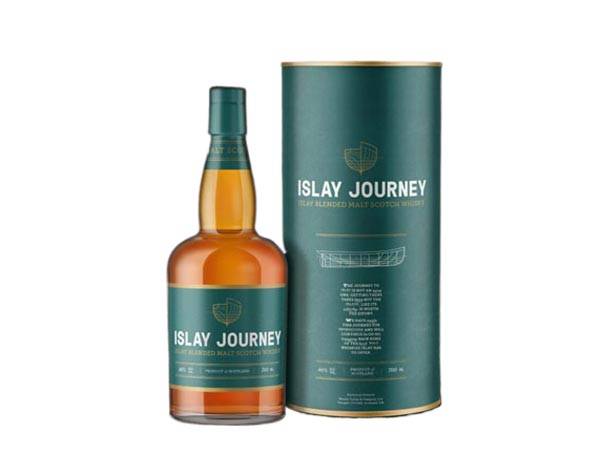
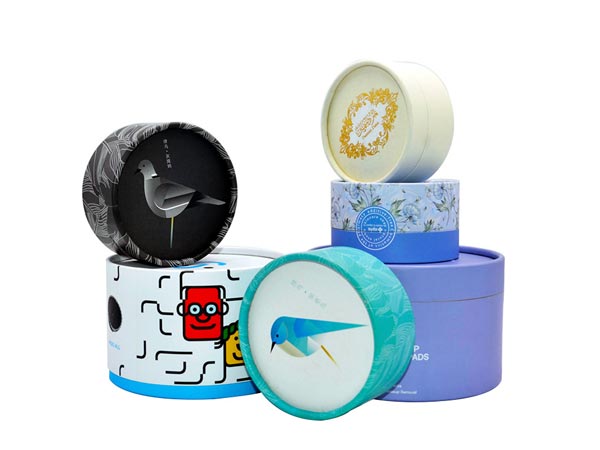
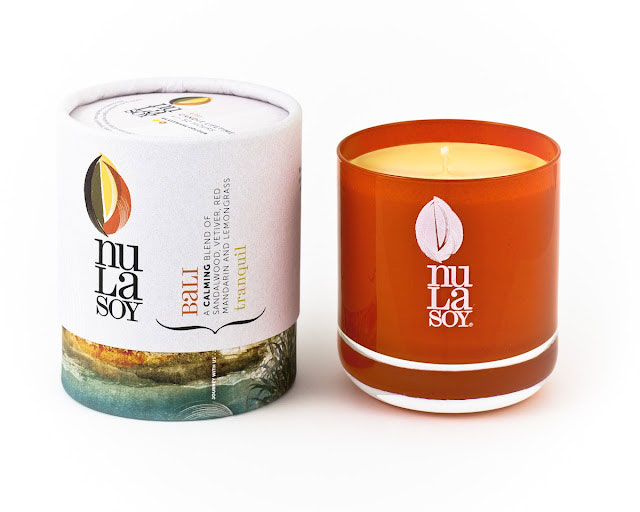
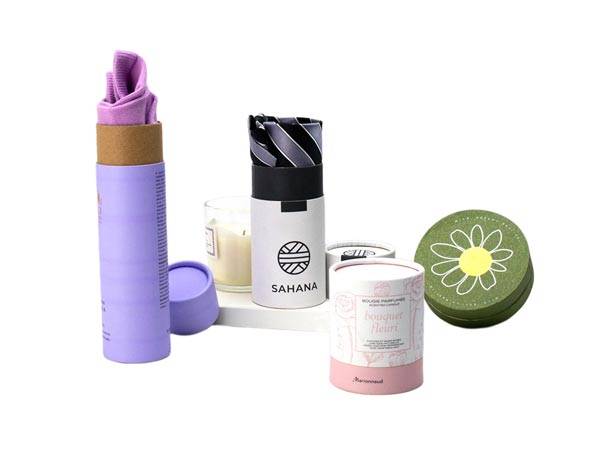
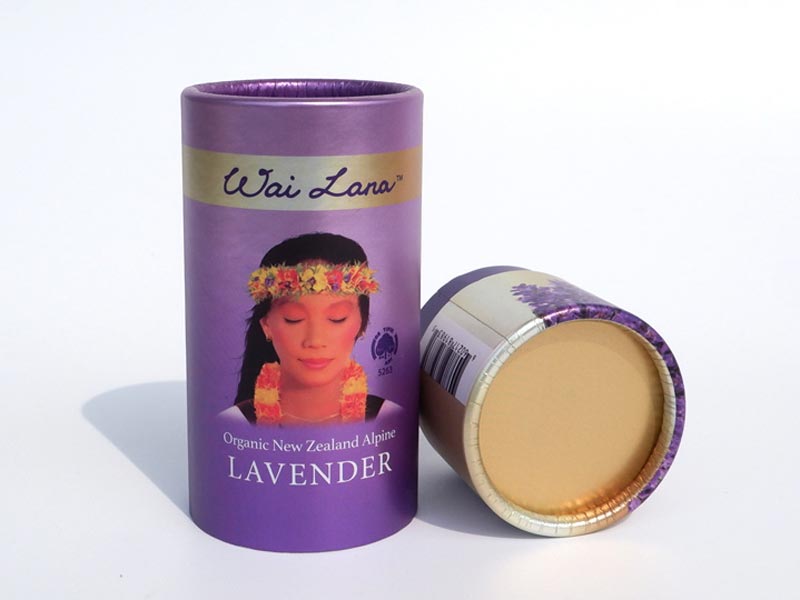
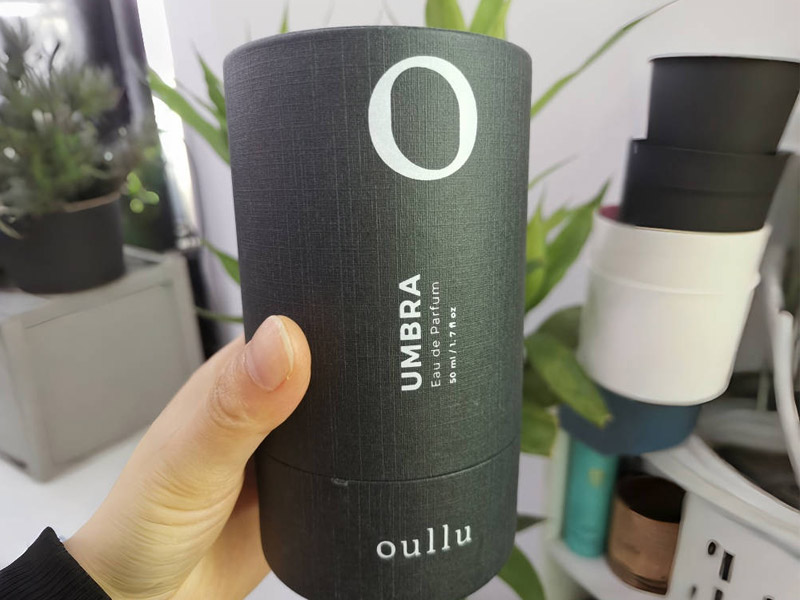
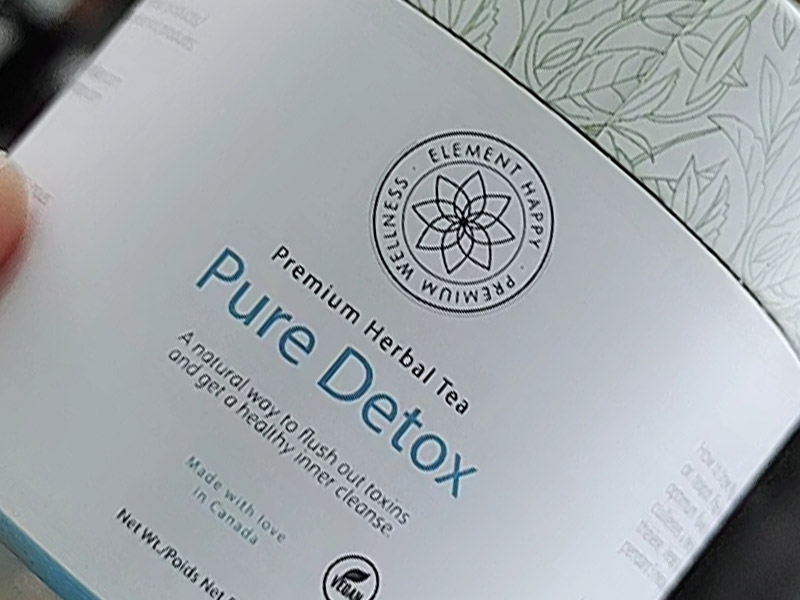
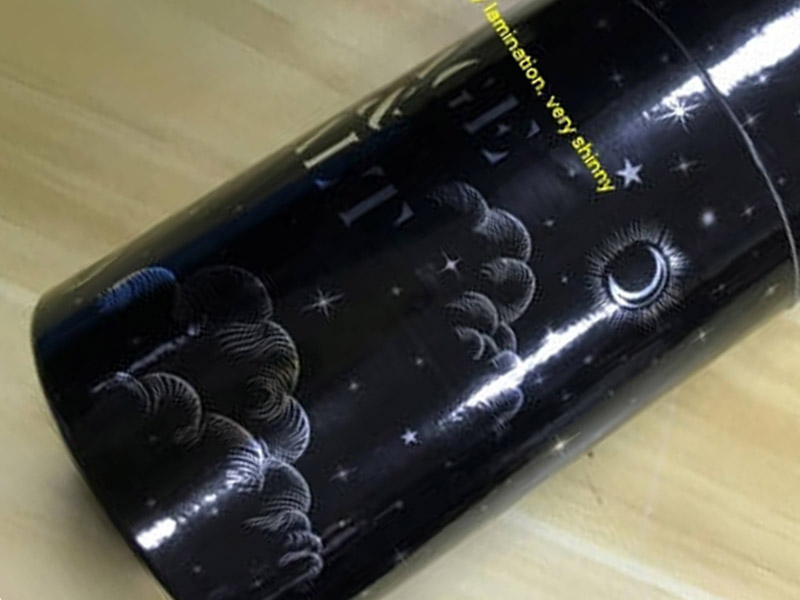
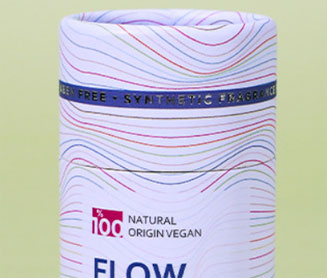
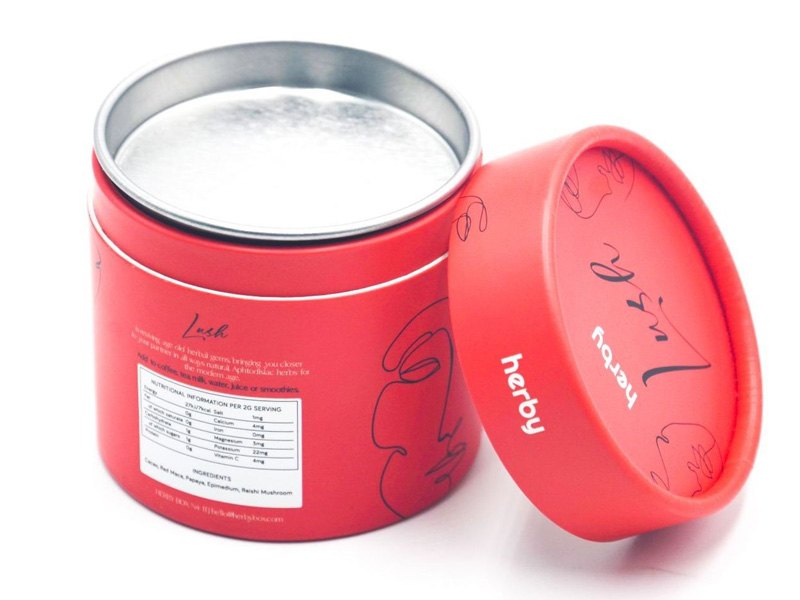
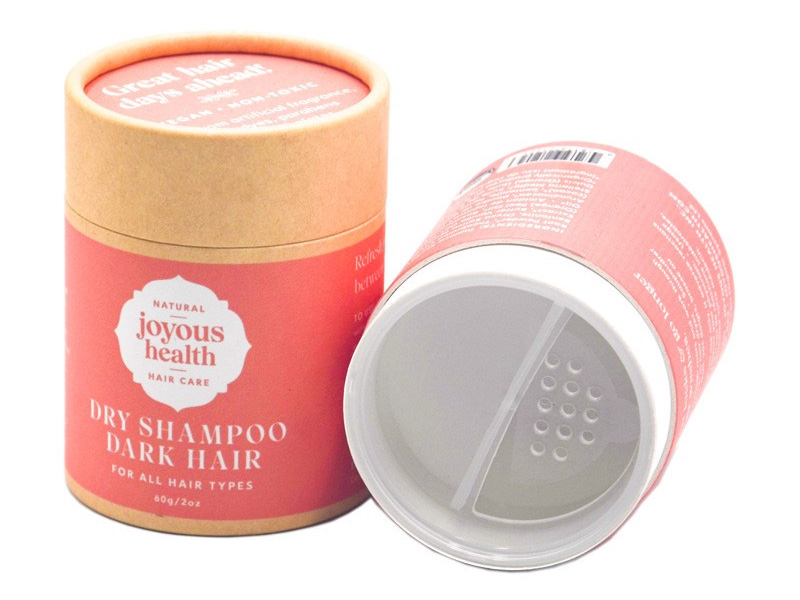
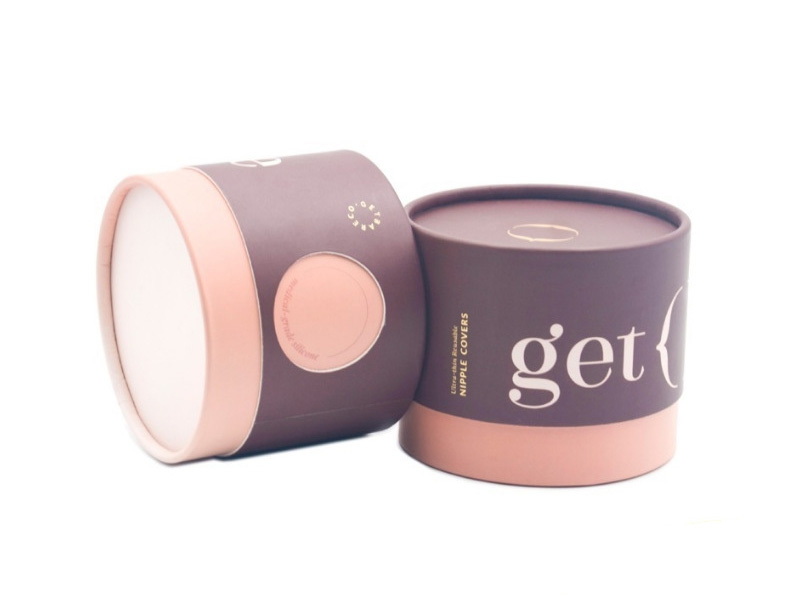
Choose the tube structure, size, materials, closure and print finish around what you are packing. We help brands move from an initial packaging idea to a workable sample and production-ready paper tube.
Not sure which tube structure fits your product? Start with your product type and protection needs—we can help you narrow down the right option before sampling.
You can start from the tube structure or from the product you need to pack. Each page below goes deeper into the relevant construction, fit and customization options.
Choose by Structure
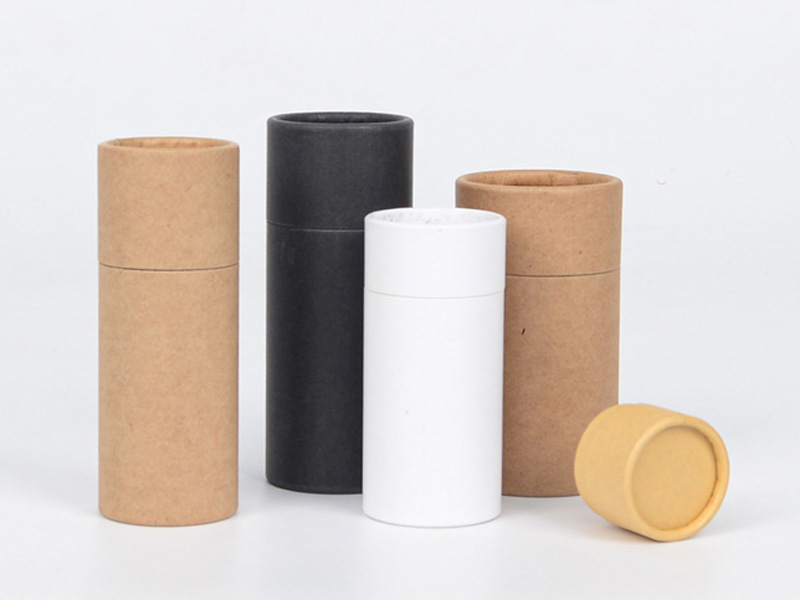
Single Paper Tubes
A simpler cylindrical construction for suitable retail and secondary-packaging applications.
The final construction depends on your product, dimensions, protection needs and opening experience. This table is a starting point—not a substitute for sample testing.
If you need…
Start with…
What to confirm before production
Premium opening and presentation
Telescopic or butted tube
Tube overlap, lid fit, insert and finish
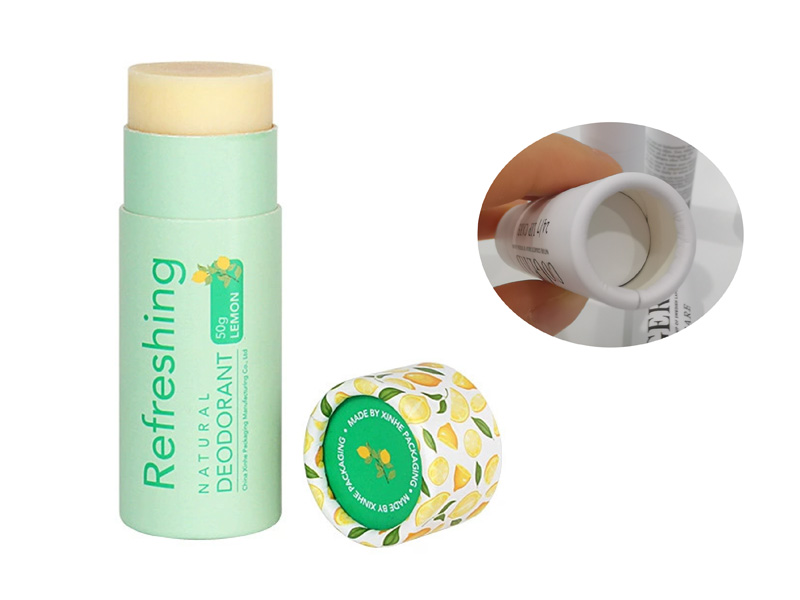
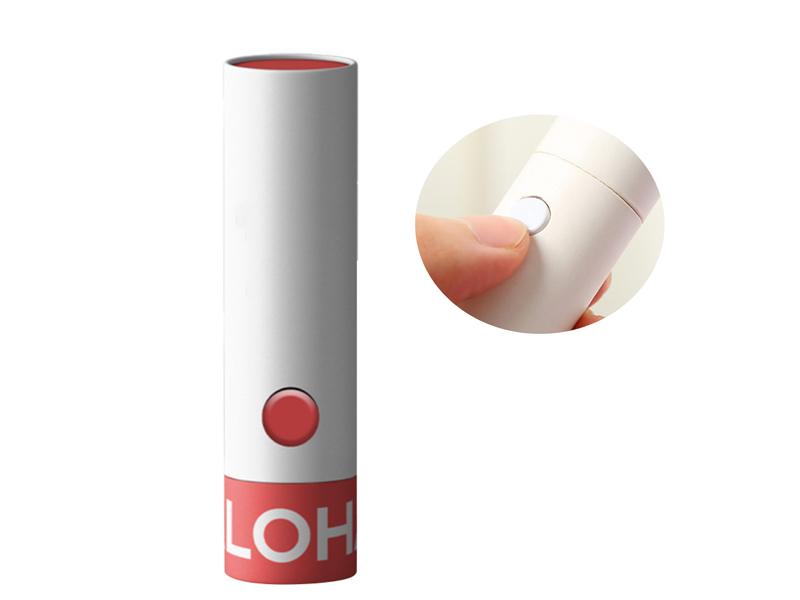
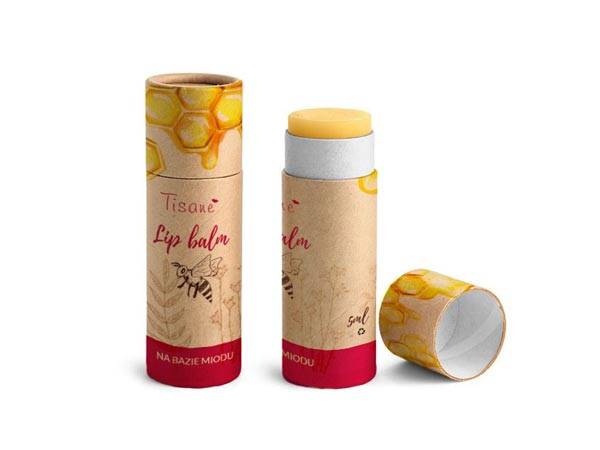
Direct dispensing of a compatible solid balm
Push-up or twist-up tube
Formula, filling method, liner and mechanism
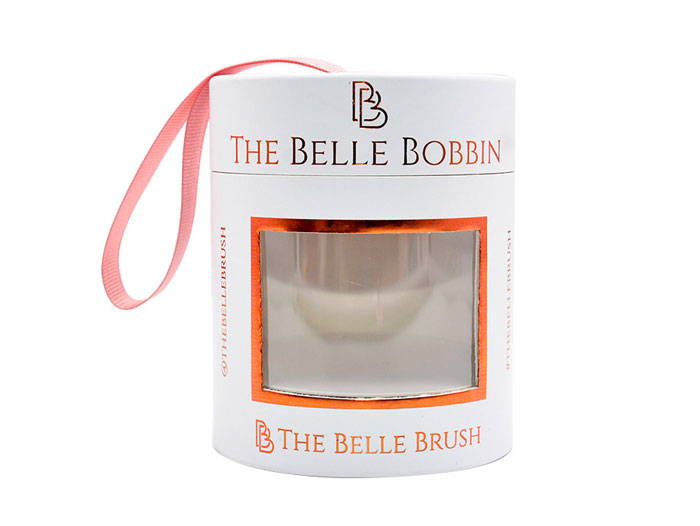
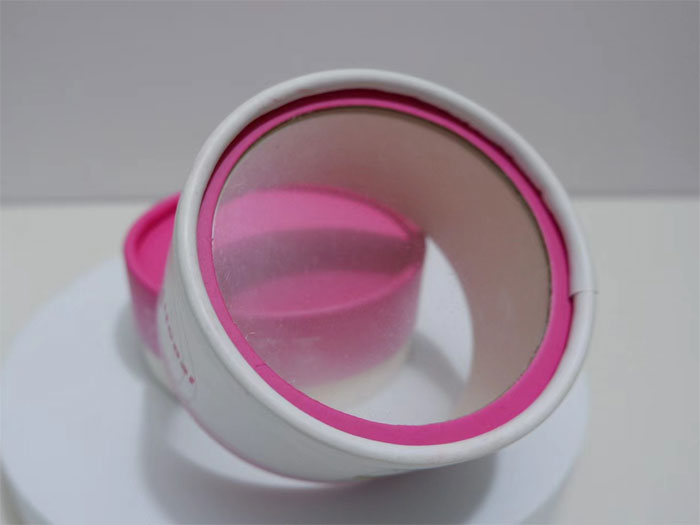
Product visibility
Window paper tube
Window material, opening size and sealing requirement
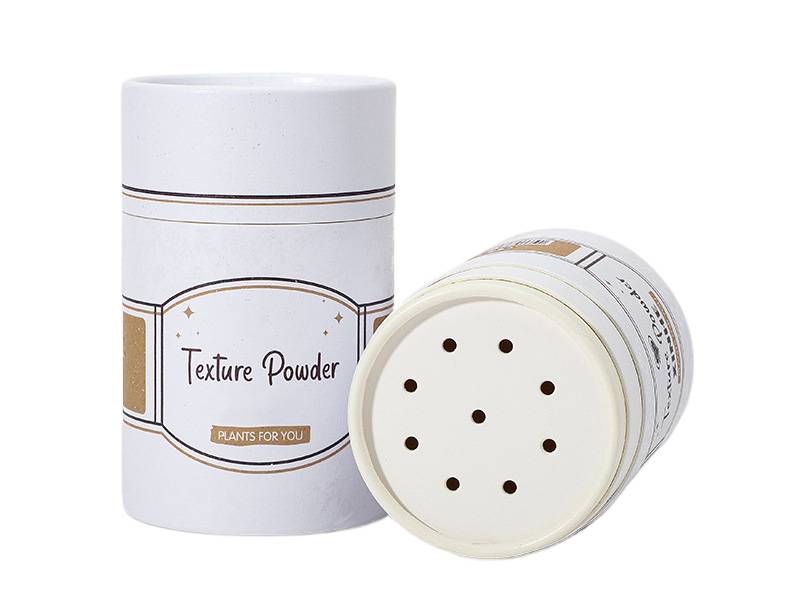
Powder dispensing
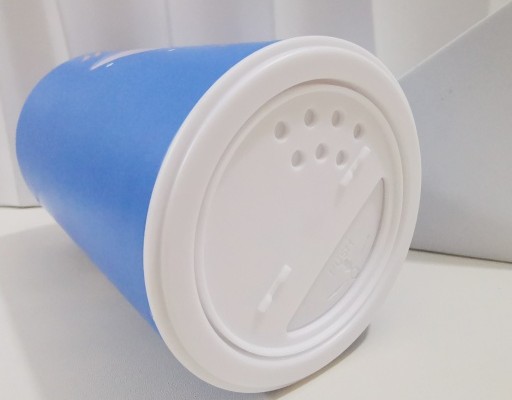
Shaker / sifter tube
Powder flow, sifter design and moisture barrier
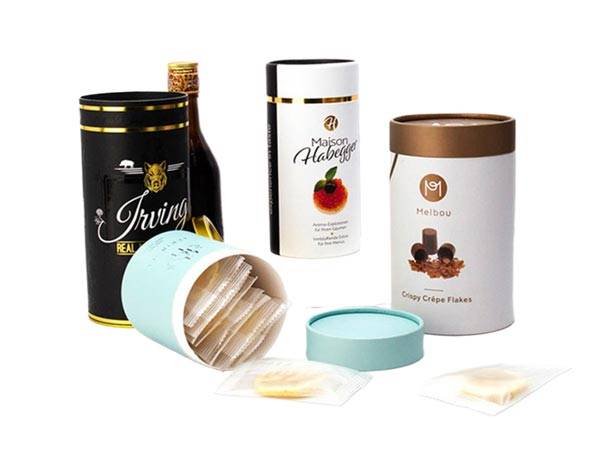
Food protection
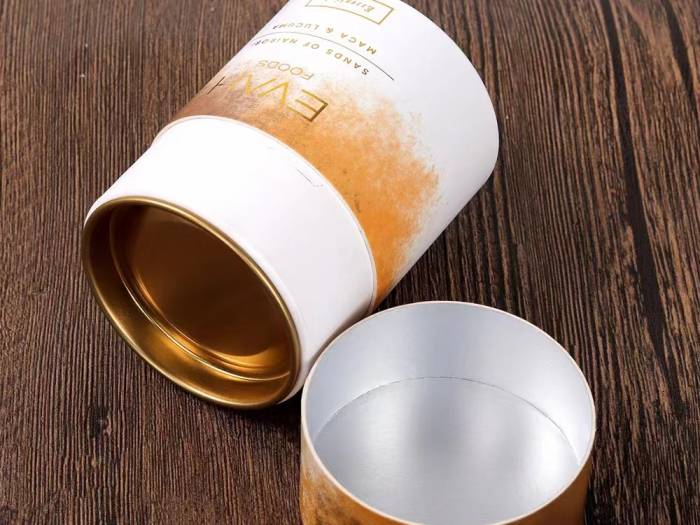
Food-grade tube or airtight canister
Direct-contact requirement, barrier, closure and shelf-life target
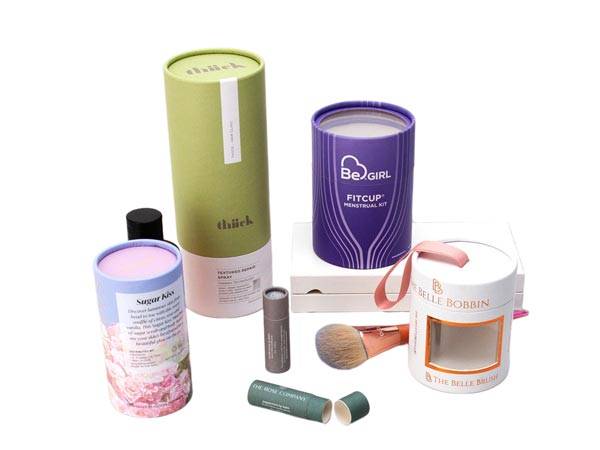
Bottle or jar protection
Paper tube with insert / holder
Primary-container dimensions, movement allowance and presentation
Customization Without the Guesswork
Build the Tube Around the Product, Not the Other Way Around
Once the basic structure is selected, the next decisions are size, paper, liner or barrier, closure, printing and finishing. These choices affect appearance, fit, protection and production feasibility.
On this main page we keep the options concise. The detailed technical pages explain the trade-offs in more depth.
Custom paper tube packaging is more than selecting a diameter and printing artwork. The tube structure, product fit, material, closure and finishing all need to work together.
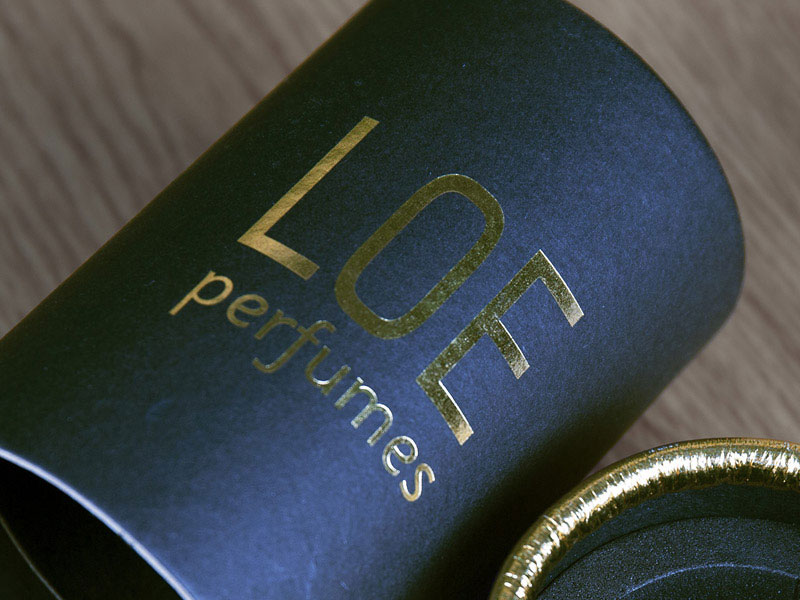
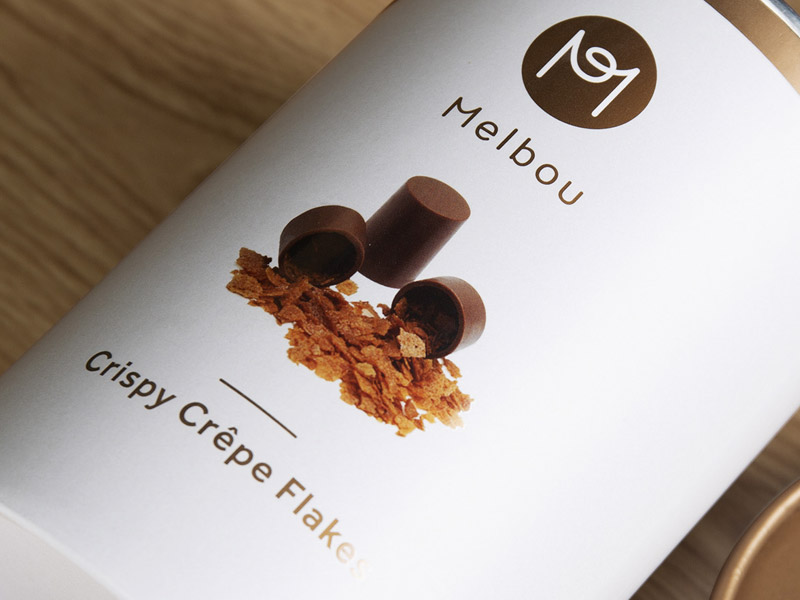
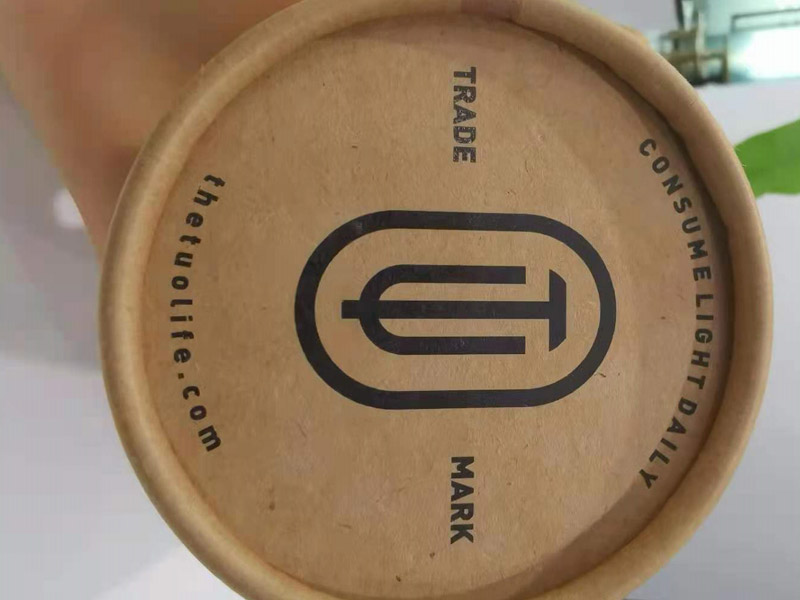
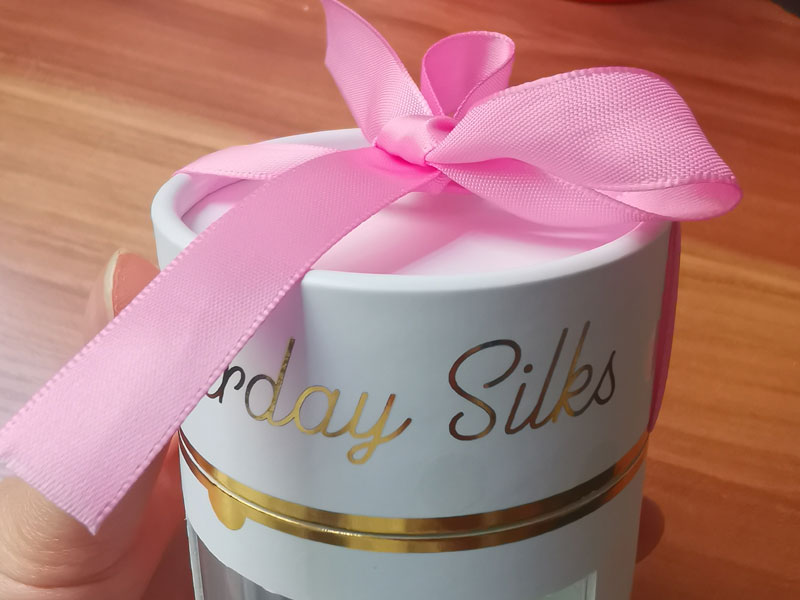
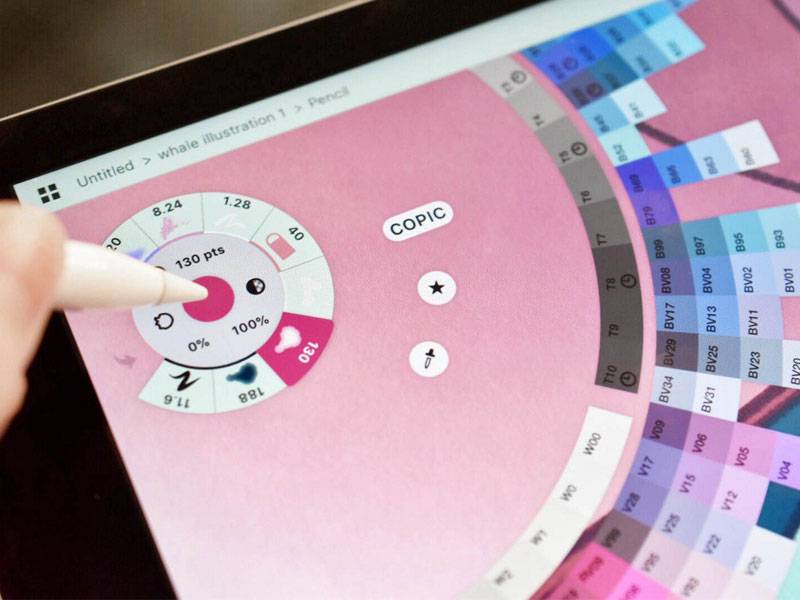
Outer wraps can use coated paper, white or brown kraft paper, metallic board or specialty textured papers. The choice changes print appearance, tactile feel and brand presentation.
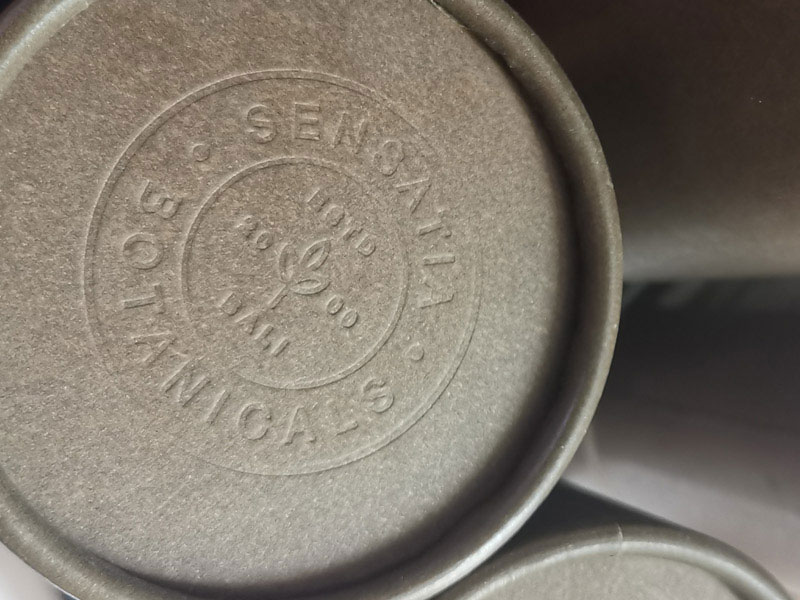
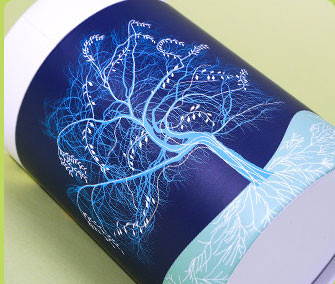
CMYK and Pantone printing can be combined with matte or gloss lamination, varnish, foil stamping, embossing, debossing and other finishes depending on the paper and artwork.
Details That Matter Before a Paper Tube Goes Into Production
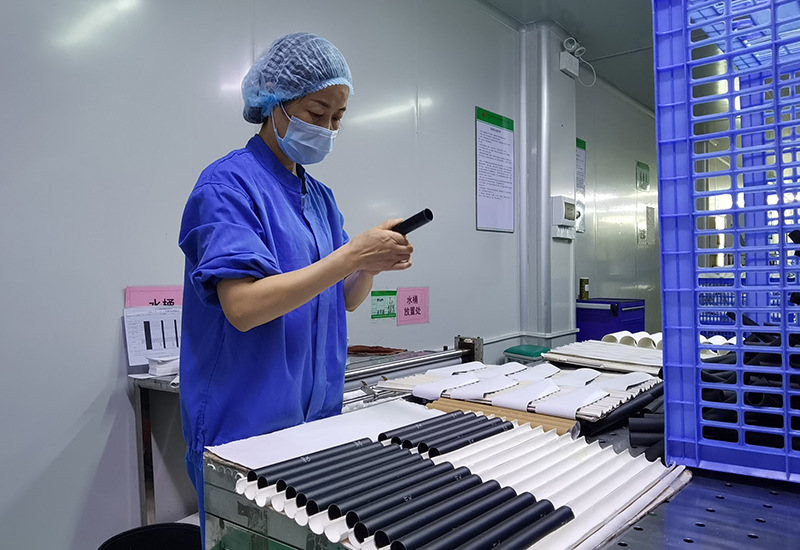
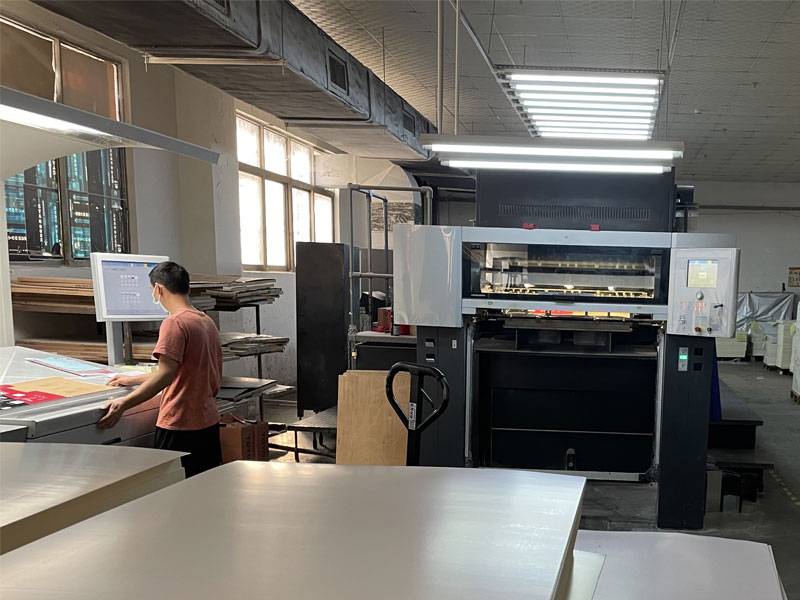
A custom paper tubes packaging can look simple, but fit and performance depend on the interaction between board thickness, moisture, tube diameter, lid tolerance, liner, closure and finishing process. We use sampling and production checks to confirm the structure before mass production.
Tube Fit & Tolerance
Moisture Control
Print Consistency
Clean Cutting & Edges
Closure & Insert Fit
Sample Before Scale
Quality Visible
What We Check in Finished Paper Tubes
Quality is often visible in the small details. Printing, board thickness, edge finishing, cutting and component fit all affect how a paper tube looks, feels and performs as finished packaging.
High-Quality Printing
Check registration, color consistency and the selected surface finish.
Consistent Board Thickness
Board build affects rigidity, structure and how the finished tube feels.
Smooth Rolled Edges
Rolled edges should be clean and even around the circumference.
Clean, Even Cutting
Cutting accuracy affects assembly, appearance and lid alignment.
Consistent Tube Fit
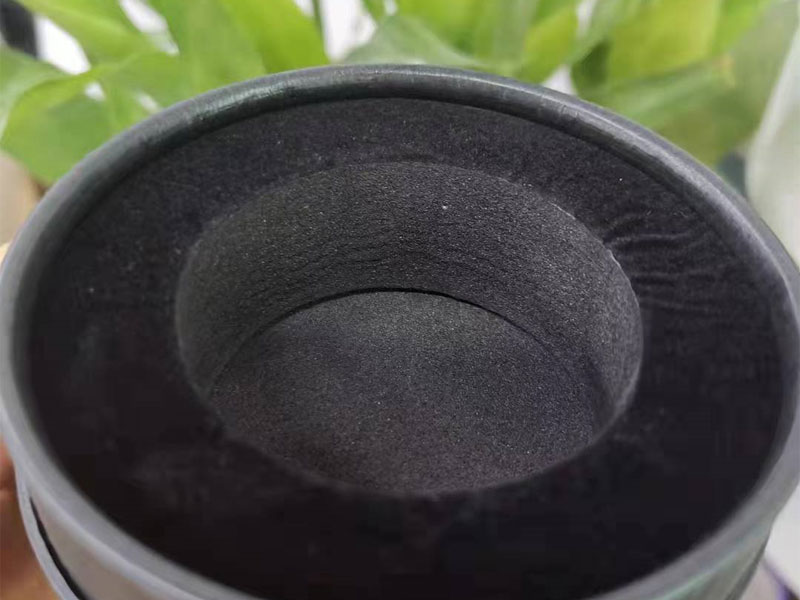
Check the relationship between lid, base, inner neck and insert where applicable.
Closure Fit & Assembly
Evaluate the selected closure for the intended structure; not every paper tube is airtight.
Why Work With Us
Support From Packaging Idea to Bulk Production
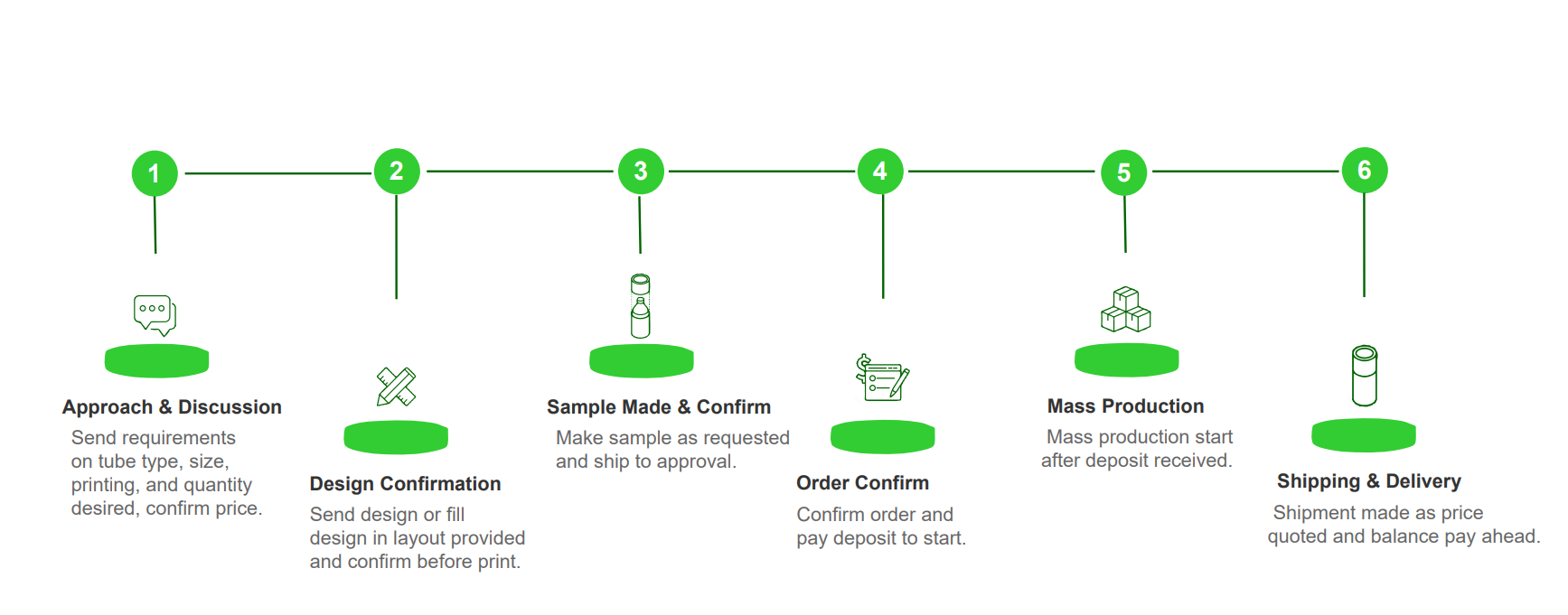
The strongest value is not a generic promise such as “lowest price.” It is the ability to review the project, make a workable sample, adjust details and produce a repeatable paper tube specification.
Responsive Project Review
Share your product dimensions, quantity and packaging goal so the project can be reviewed before quoting.
Sampling Support
Use sampling to check structure, fit and appearance, then adjust details before mass production.
Customization
Coordinate structure, materials, print, finishing and closures as one packaging project.
Production Support
Support repeat and volume orders with tube-forming, labeling, finishing and quality-control processes.
Real Packaging Work
See How Different Products Lead to Different Tube Solutions
The right paper tube depends on what goes inside it. Product size, weight, filling method, protection needs and presentation can all change the final structure. Here are a few types of projects we work with and the packaging decisions behind them.
Food Packaging
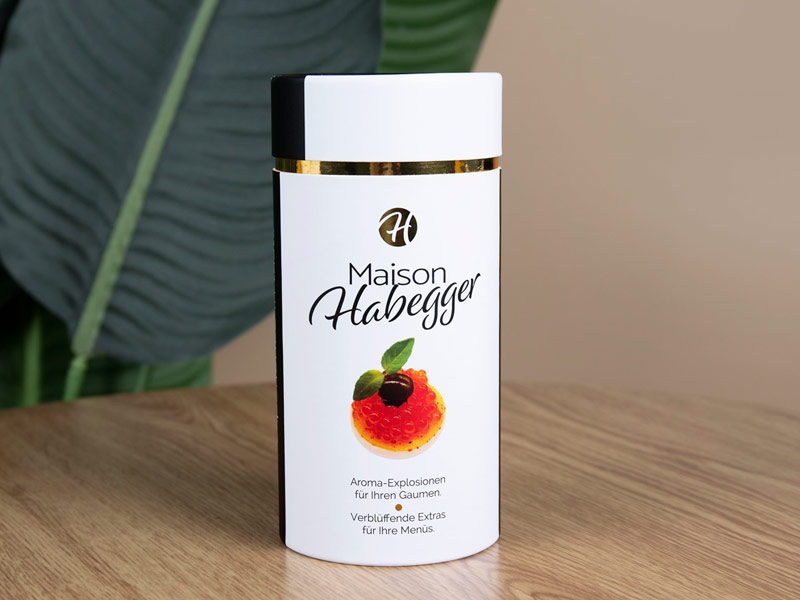
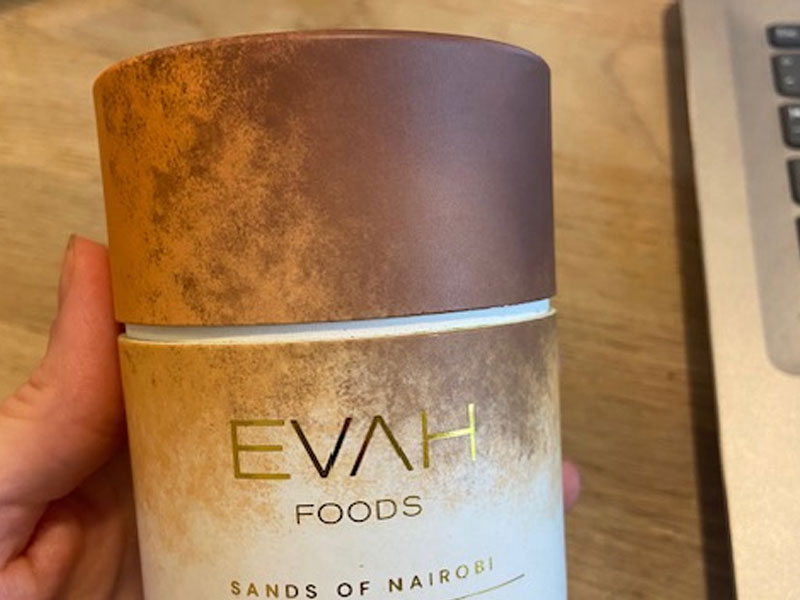
Food projects can require very different solutions depending on the product. We consider direct-contact requirements, grease or moisture barriers, closures and filling methods before recommending the tube structure.
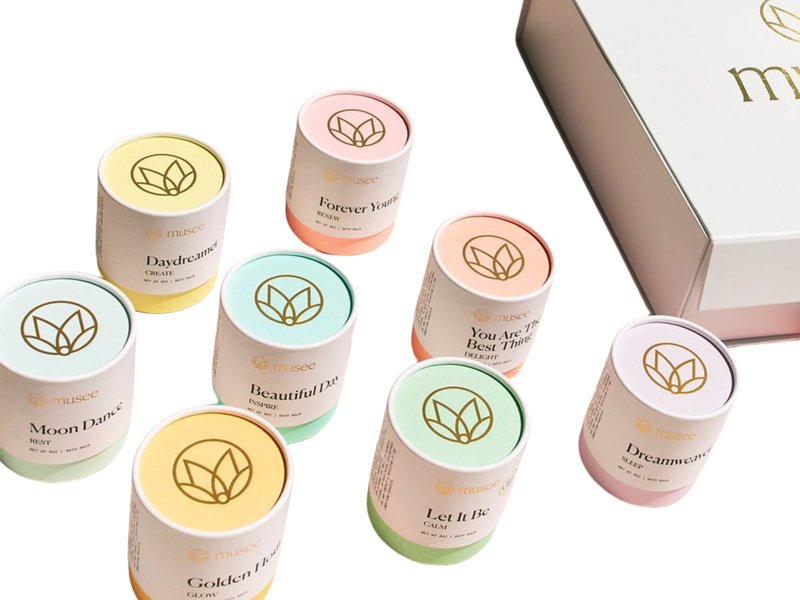
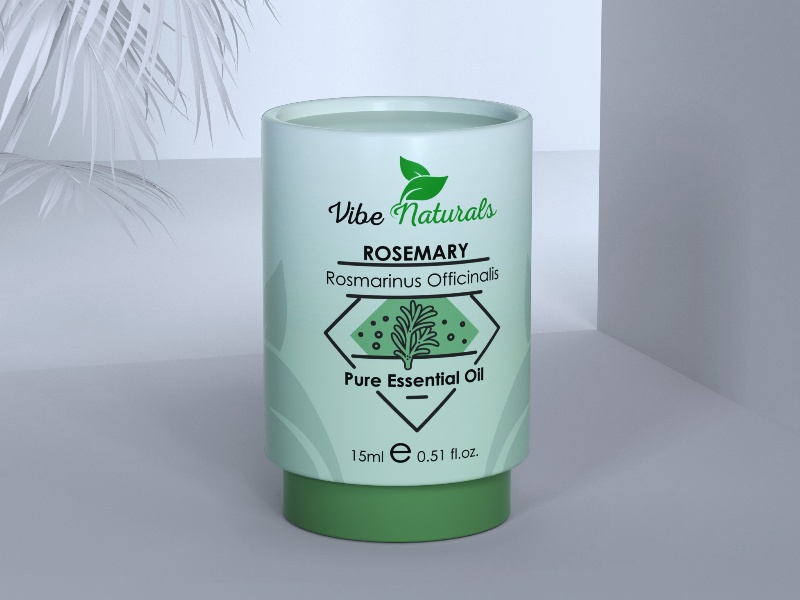
From push-up balm tubes to secondary packaging for bottles and jars, the structure needs to match how the product is filled, used and presented. Fit, inserts and dispensing details are often part of the development process.
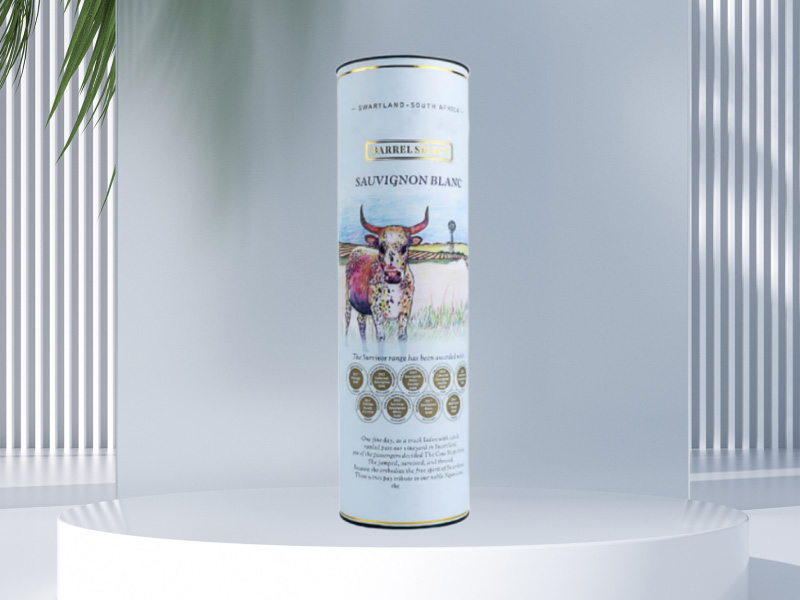
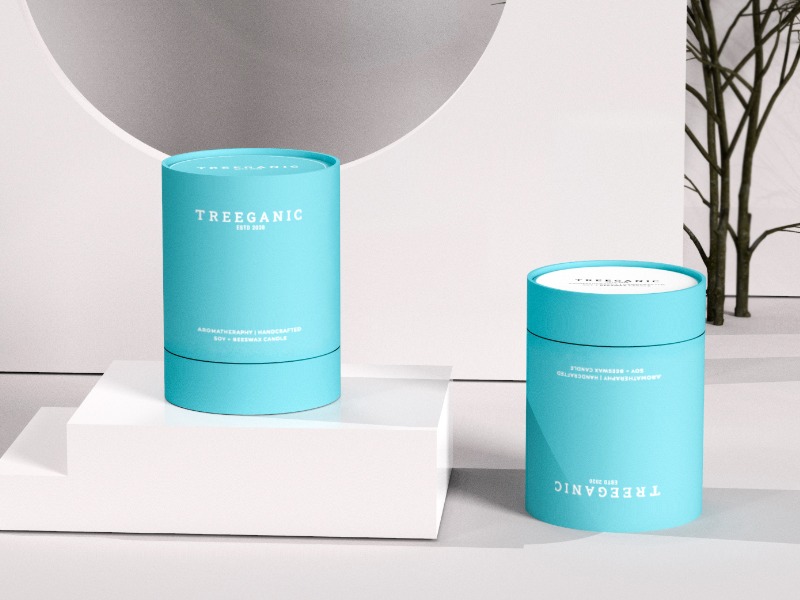
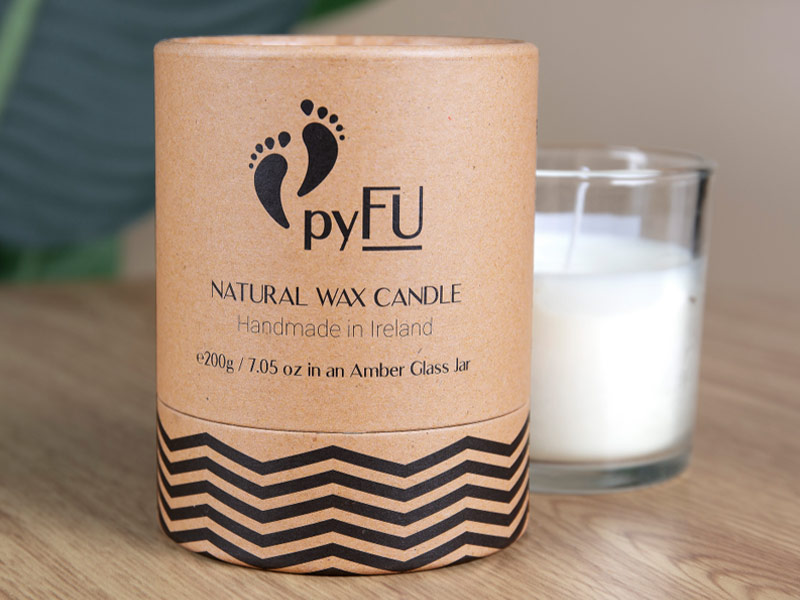
For bottles, accessories and other products, the cardboard tubing often works as protective or presentation packaging. Tube dimensions, internal holders and opening structure can be adjusted around the product inside.
Every custom packaging project has different priorities—from product fit and printing to communication and delivery. Here is some feedback from customers we have worked with.
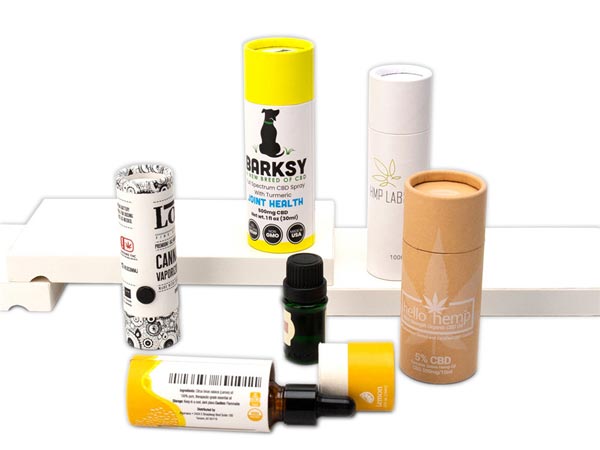
*CBD paper tube packaging
---by Rayan Hammond
Very happy with my purchase! These came sturdy and nicely packed in sensibly recycalble materials.All tubes are nice made! I will definitely buy again!
Food grade paper can for powder
---by Ray F
Wonderful job! This is exactly what i need! My packaging is in good quality and looks really elegant! I am very pleased and definitely be back again when i am out.
*Biodegradable Eco-friendly food containers paper tube
---by Allen Brown
I just started selling my own brand months ago and it's awesome! The packaging they made are of excellent quality! Thanks for making an excellent paper tube very affordable price.
*Custom paper tube packaging
---by Alice Janene Moak
Totally satisified with the product and service. In this case Rachel attended me adn really guided me from beginning to end. Very professional and always supporting in any doubt. They follow-up the order from beginning until it's shipped.
*Custom printed cosmetics paper packaging tube
---by Glen Howard
Customer service is as good as it gets. in terms of understanding, prompt responses and extremely high efficiency.The product is exactly what i needed.
*Custom printed cosmetics paper packaging tube
---by Joseph Coto
I need those boxes urgently, and they helped me a lot, delivered full batch one week eariler than expected. good shot!
Custom Paper Tube FAQ
Questions to Confirm Before You Order
What information do you need to quote a custom paper tube?
Please share the product dimensions or required tube size, order quantity, product/application, preferred structure, printing requirements and any special liner, barrier, insert or closure needs.
Can you make a paper tube to fit an existing bottle, jar or product?
Yes. The tube can be designed around the primary product dimensions, with an insert or holder where needed. Final fit should be confirmed with a sample before mass production.
Are all paper tubes food-safe or airtight?
No. Food-contact suitability and airtightness depend on the specific materials, liner, closure and sealing configuration. These requirements should be defined separately during packaging development.
Can you match brand colors and special finishes?
Printing and finishing options can include CMYK, Pantone/spot colors, foil stamping, embossing, debossing, varnish and other finishes depending on the selected paper and structure.
Should I test a sample before placing a bulk order?
For custom structures, bottle/jar fit, direct-contact applications, liners, inserts or special closures, sampling is recommended to verify fit and appearance before production.
Request a Custom Quote
Tell Us What You Are Packing
For a more useful quotation, include your product dimensions, quantity, application, preferred tube structure, printing requirements and any liner, barrier, insert or closure needs.
Get a Free Quote to Move Forward Your BUsiness
It is an easy step, fill out the form and we will be in touch shortly.
Your Packaging OUR priority
With the information, we can elevate your packaging together!