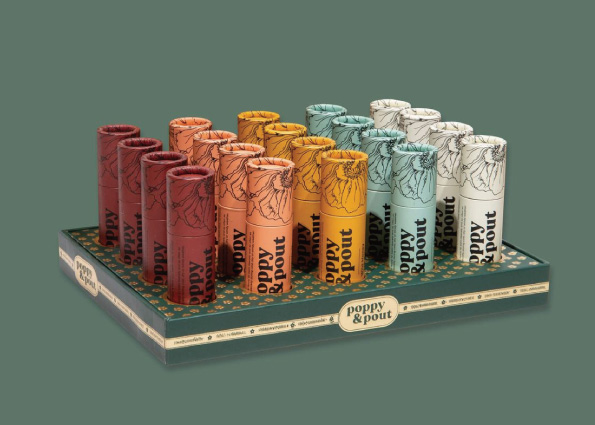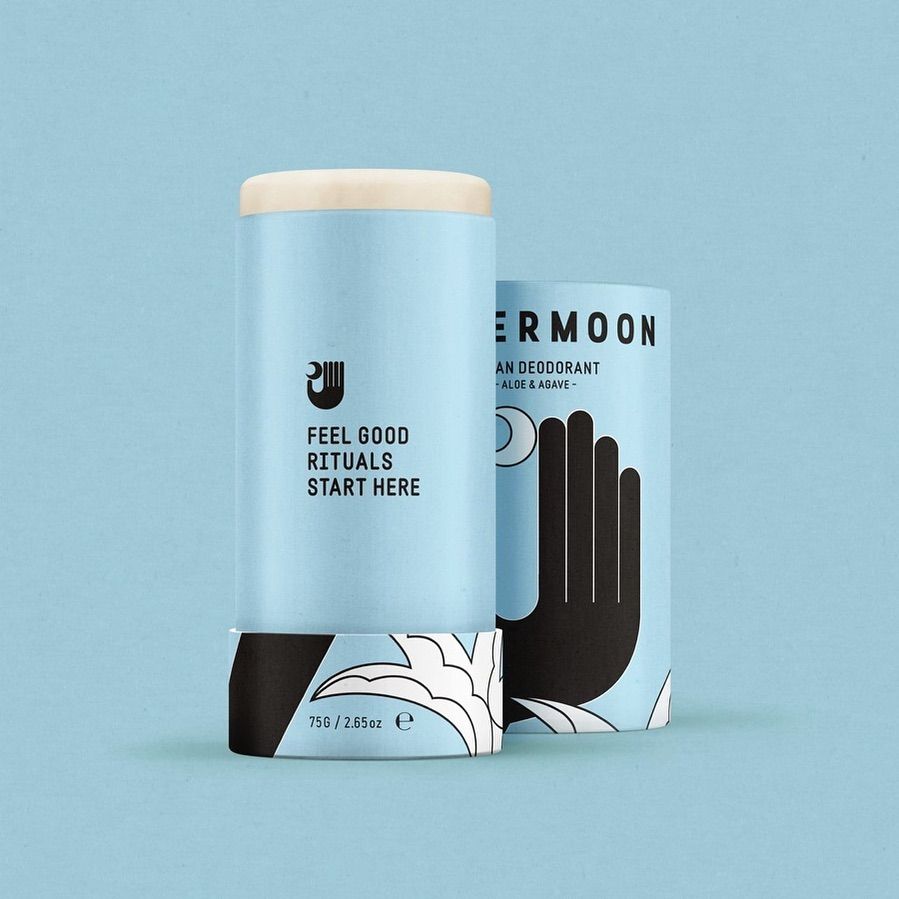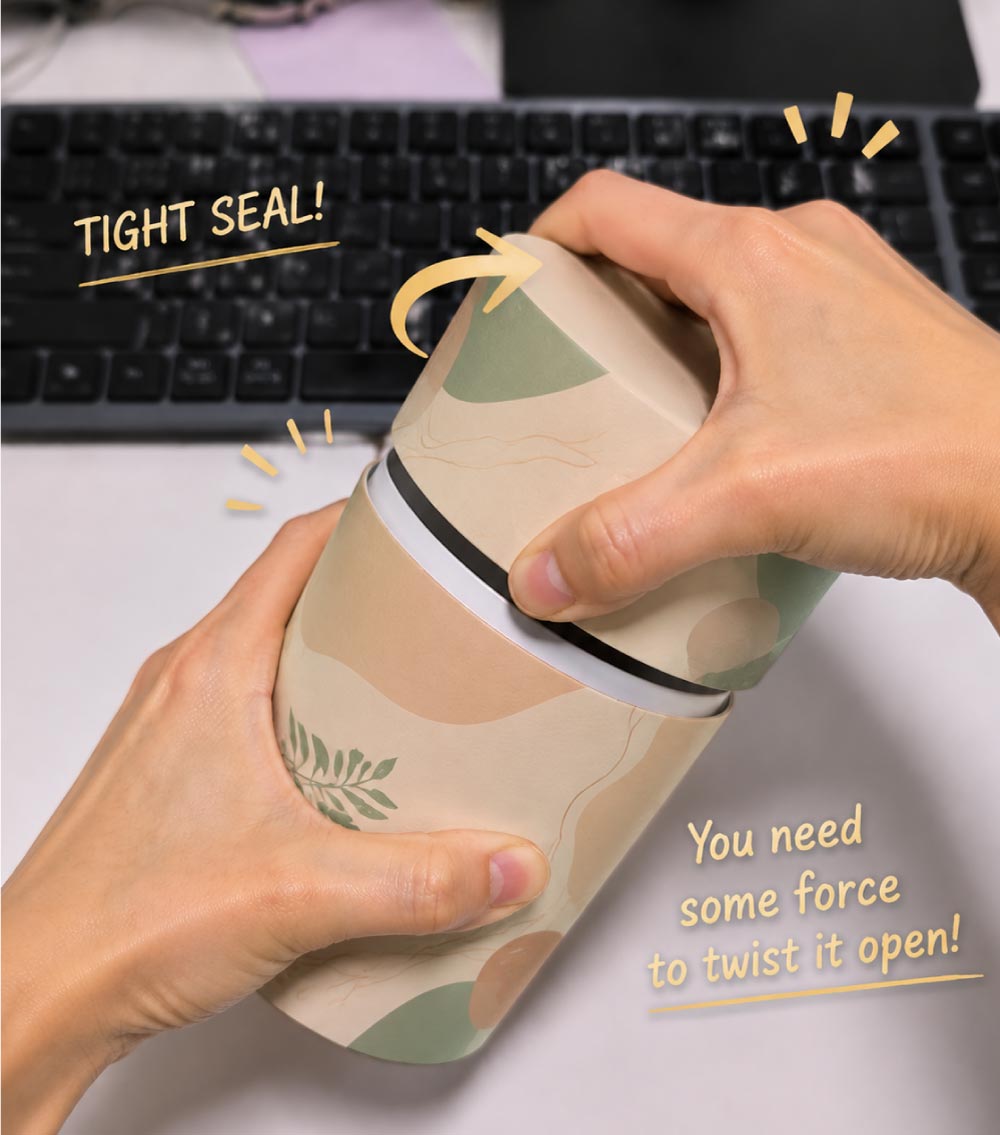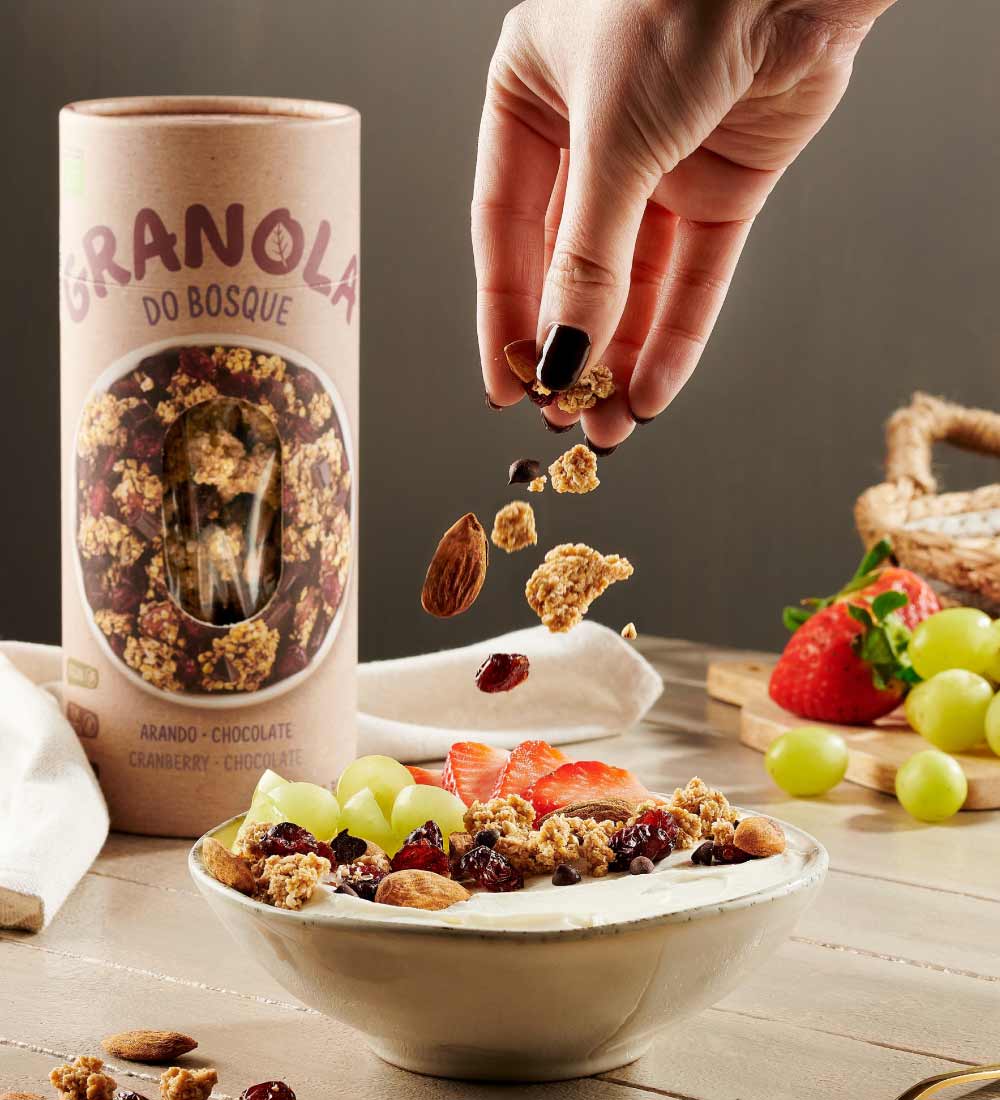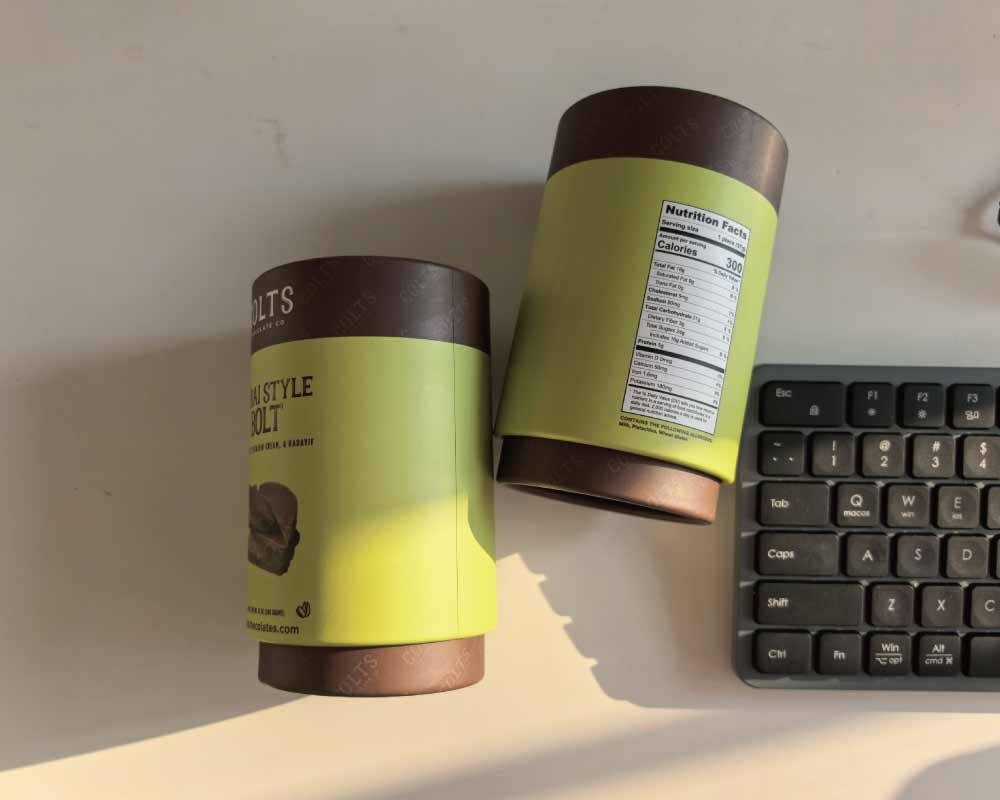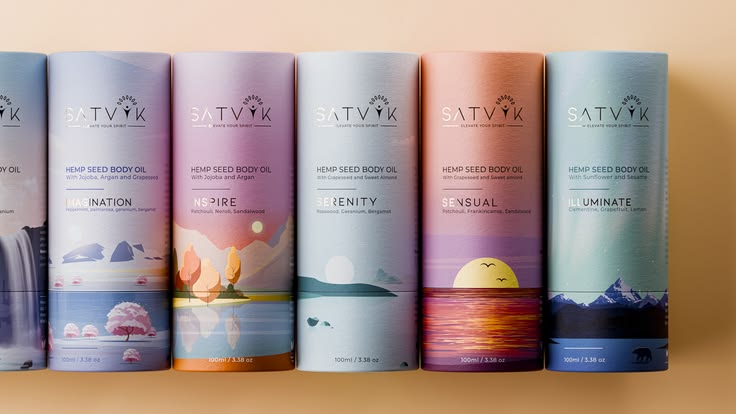
When brands start developing custom paper tube packaging, choosing the right finishing technique is often one of the most exciting steps. A well-designed finish can transform a simple paper tube into a premium packaging experience and help products stand out on the shelf.
During the customization process, customers often ask us questions like:
“Can we add embossing to the logo?”
“Can we make the packaging look more luxurious?”
“Can we use the same finishing techniques as paper boxes?”
The answer is that most printing and finishing techniques used for paper products can also be applied to paper tube packaging. After all, the outer surface of a paper tube is still a printed paper layer.
However, there is one important difference that brands should understand: paper tube packaging is cylindrical, not flat.
Because of this unique structure, some finishing techniques may perform differently compared with traditional flat paper packaging. Knowing these differences before production can help brands choose the right custom paper tube packaging finishes and avoid investing in a process that does not achieve the expected result.
Most Printing and Finishing Techniques Work Well on Paper Tube Packaging
The outer layer of a paper tube is usually made from printed paper wrapped around the tube body. This means many common printing and decorative methods can be successfully applied.
For example, offset printing is widely used for custom paper tube packaging because it provides excellent color reproduction and is suitable for detailed artwork, brand patterns, and Pantone color matching.
For brands that need sample production or small quantities, digital printing is also a practical option because it allows faster production without traditional printing plates.
Beyond printing, many surface finishes can further enhance the appearance of paper tube packaging.
Matte lamination creates a soft and elegant appearance, while glossy lamination provides stronger color contrast and a brighter surface. Spot UV is another popular option because it can create a premium effect by combining different levels of gloss on the same surface, such as a matte background with a shiny logo.
These finishing methods are especially suitable for cosmetic packaging, candle packaging, perfume tubes, and other products that rely on visual appeal.
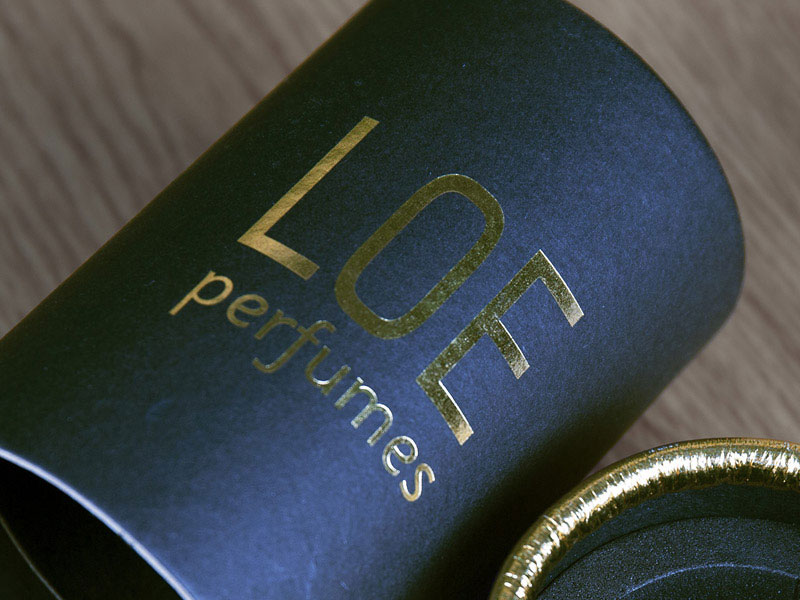
Foil Stamp
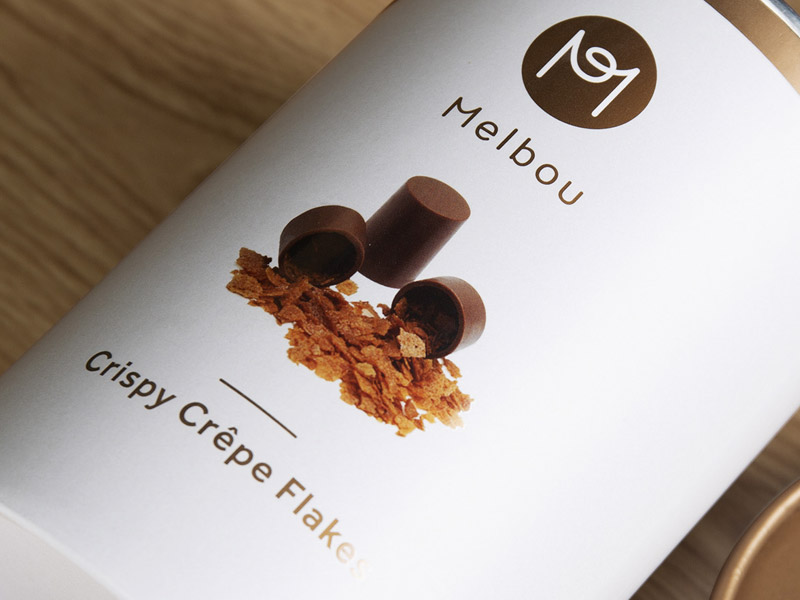
UV Spot
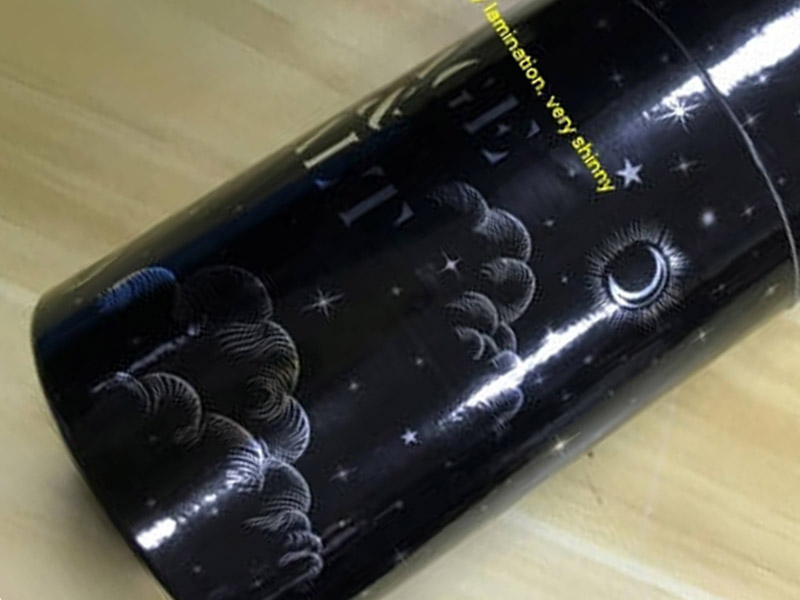
Lamination
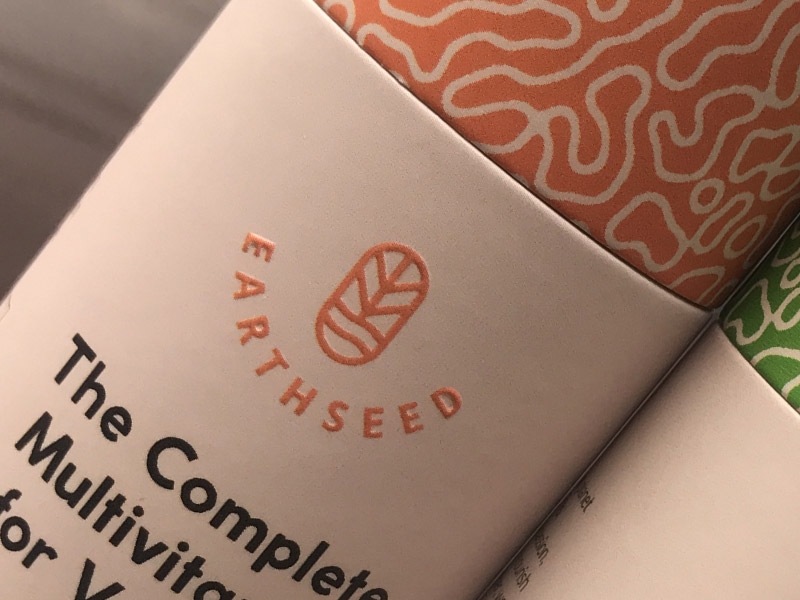
Emboss
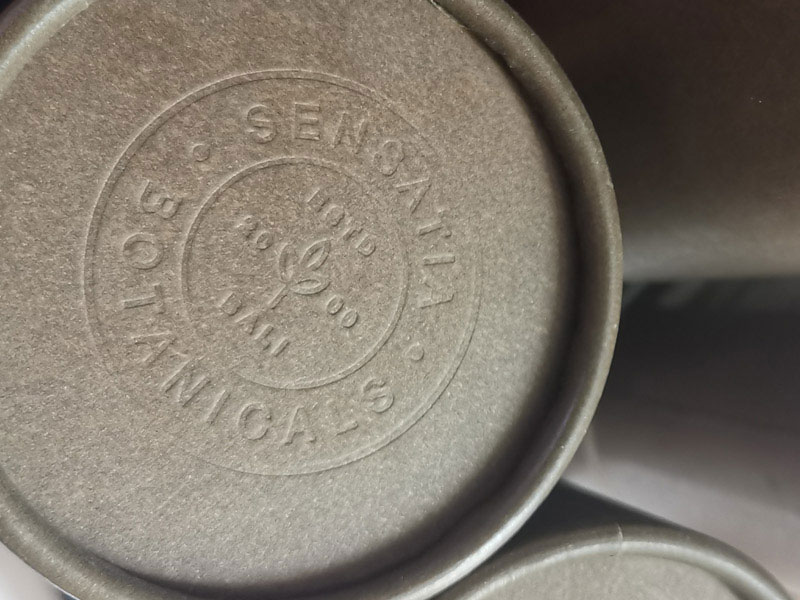
Deboss
Why Some Finishing Techniques Need Special Consideration on Cylindrical Packaging
Although most paper printing techniques work well on paper tubes, some processes require more careful evaluation.
Embossing and debossing are two examples.
Many customers are familiar with these techniques because they are commonly used on business cards, luxury paper boxes, and brochures. A raised logo or recessed pattern can create a strong tactile experience on flat paper products.
Naturally, when designing custom paper tube packaging, brands often want to apply the same effect.
However, the result on cylindrical packaging is usually different.

Why Embossing and Debossing Effects Are Limited on Paper Tubes
The first reason is related to the thickness of the outer paper layer.
The printed surface of a paper tube is usually a relatively thin paper layer, often around 157gsm coated paper. This layer is mainly responsible for printing quality and visual appearance. It is not the structural layer that gives the tube its strength.
During embossing or debossing, the effect is created only within this thin outer paper layer. Because there is limited material depth, the raised or recessed effect is naturally less pronounced compared with thicker paper products.
For example, embossing on a rigid paper box cover can create a very clear three-dimensional effect because the material provides more support. On a paper tube, the same process may appear much more subtle.
The second reason is the cylindrical shape itself.
Before becoming a finished tube, the printed paper is produced as a flat sheet. During manufacturing, this sheet is wrapped around the tube body to create the curved surface.
Because the paper needs to follow the cylindrical shape, some of the embossed or debossed details may be slightly stretched or compressed during the forming process. As a result, the final effect can become less visible.
For this reason, we usually explain to customers that embossing and debossing are possible on paper tubes, but they may not always provide the dramatic 3D effect that customers expect.
Should Brands Avoid Embossing and Debossing on Paper Tube Packaging?
Not necessarily.
If a brand wants a subtle premium feeling, a small embossed logo or light texture effect can still work.
However, if the goal is to create a very obvious raised logo or deep tactile experience, we usually recommend considering other custom paper tube packaging finishes.
A good packaging solution is not about adding as many processes as possible. It is about choosing the finishing method that works best with the packaging structure.
Finishing Options We Often Recommend for Premium Paper Tube Packaging
For brands looking for a high-end appearance, several finishing techniques usually provide more consistent results on cylindrical packaging.
Foil Stamping for a Luxury Appearance
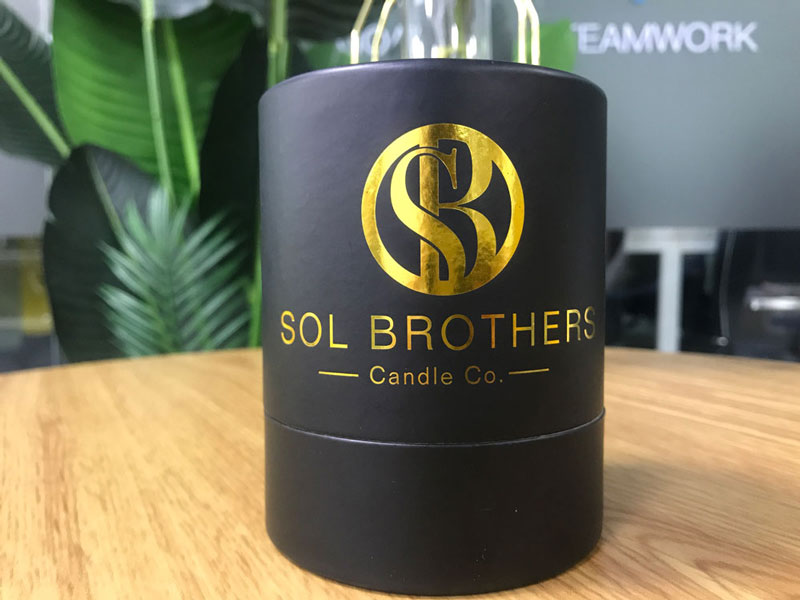
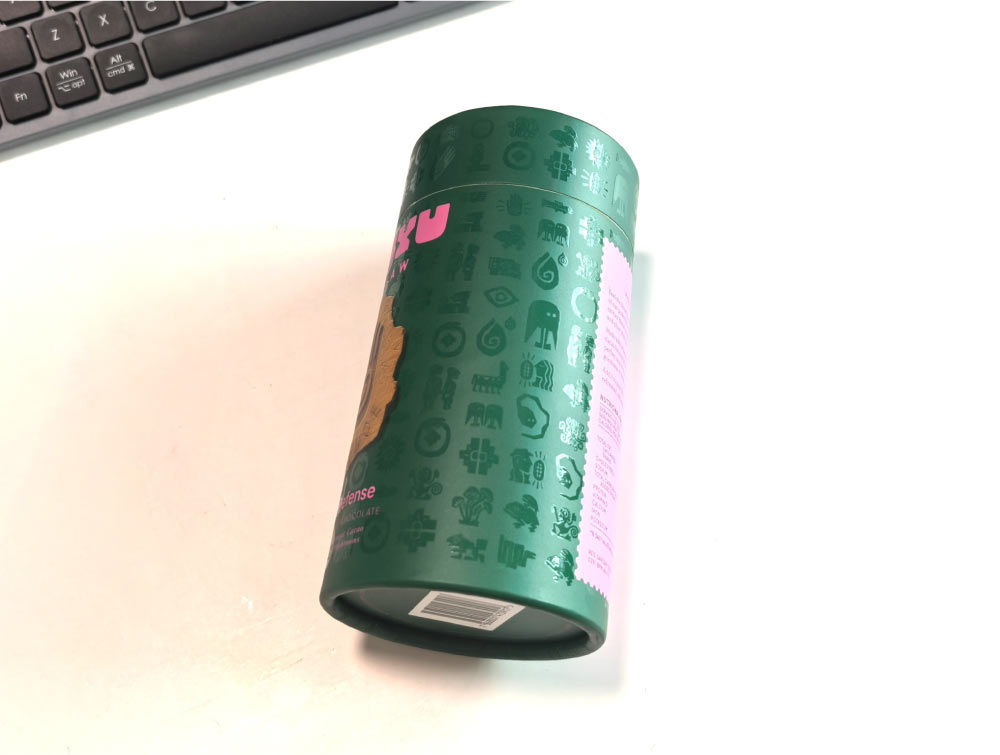
Foil stamping is one of the most effective finishing options for paper tube packaging.
Gold foil, silver foil, and other metallic effects can create strong visual impact even on curved surfaces.
This technique is commonly used for:
- Luxury cosmetics
- Perfume paper tubes
- Premium candles
- Gift packaging
Compared with embossing, foil stamping creates a clearer visual effect and works very well with cylindrical structures.
Spot UV for Contrast and Detail
Spot UV is another excellent choice for brands that want to highlight specific design elements.
For example:
- Matte surface with glossy logo
- Soft background with shiny patterns
- Highlighted product name or brand mark
Because the effect depends on surface reflection rather than physical depth, spot UV usually performs consistently on paper tube packaging.
Specialty Paper for Natural and Unique Textures
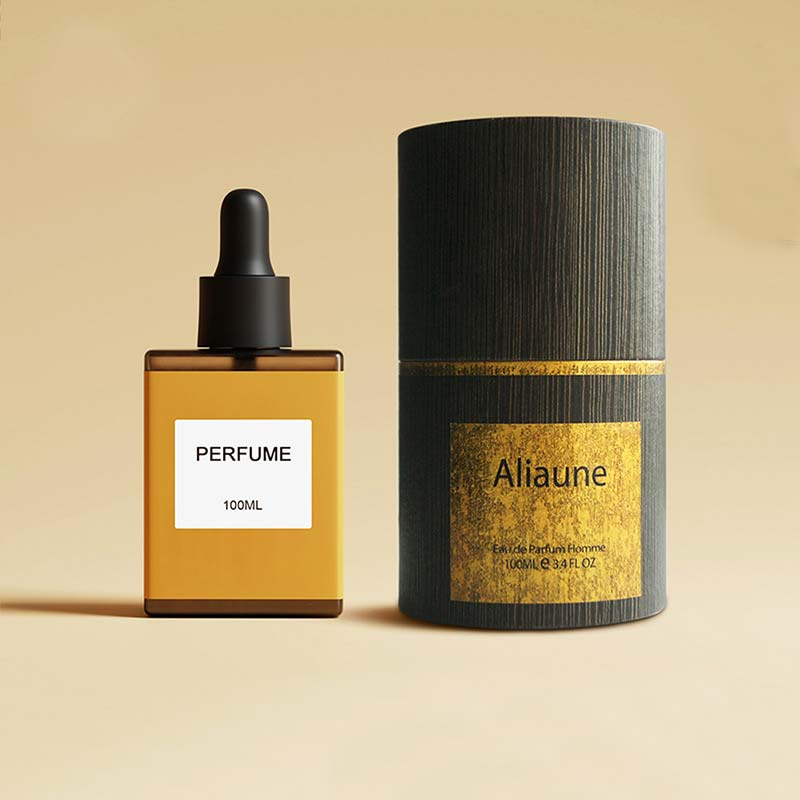
Sometimes the best finishing effect comes from the paper material itself.
Specialty papers such as:
- Kraft paper
- Textured paper
- Metallic paper
- Pearl paper
can create unique visual and tactile experiences without relying on complex post-processing.
This is especially popular among sustainable brands, handmade product companies, and premium lifestyle products.
How We Help Customers Choose the Right Paper Tube Packaging Finishes
Every brand has different packaging goals. When customers ask us about custom paper tube packaging finishes, we usually consider several factors before making recommendations.
First is the product positioning.
A natural skincare brand may prefer kraft paper, simple printing, or textured materials, while a luxury perfume brand may benefit more from foil stamping and premium surface finishes.
The second factor is the artwork design.
Simple logos and minimalist designs often work beautifully with kraft paper or metallic effects. More colorful designs may require a smoother paper surface to achieve better color accuracy.
The order quantity is also important.
For larger production runs, brands usually have more flexibility in selecting advanced finishing processes. For smaller quantities, we often recommend solutions that balance appearance and cost.
Most importantly, we consider the final visual expectation.
A finishing technique should not only look attractive on a sample sheet. It should also perform well after the paper is converted into a cylindrical package.
Final Thoughts
Choosing the right custom paper tube packaging finishes is an important step in creating packaging that represents your brand.
Most printing and decoration techniques can be applied to paper tube packaging, including foil stamping, UV coating, lamination, and specialty paper options. However, cylindrical structures create unique challenges that brands should understand before making a final decision.
Embossing and debossing, for example, may not create the same strong three-dimensional effect as they do on flat paper products because of the thin outer paper layer and the curved shape of the tube.
For brands seeking premium results, finishing options such as foil stamping, spot UV, and specialty papers often provide more reliable and attractive results.
The best custom paper tube packaging finishes are not necessarily the most complicated ones. They are the finishes that match your product positioning, design style, production requirements, and customer expectations.