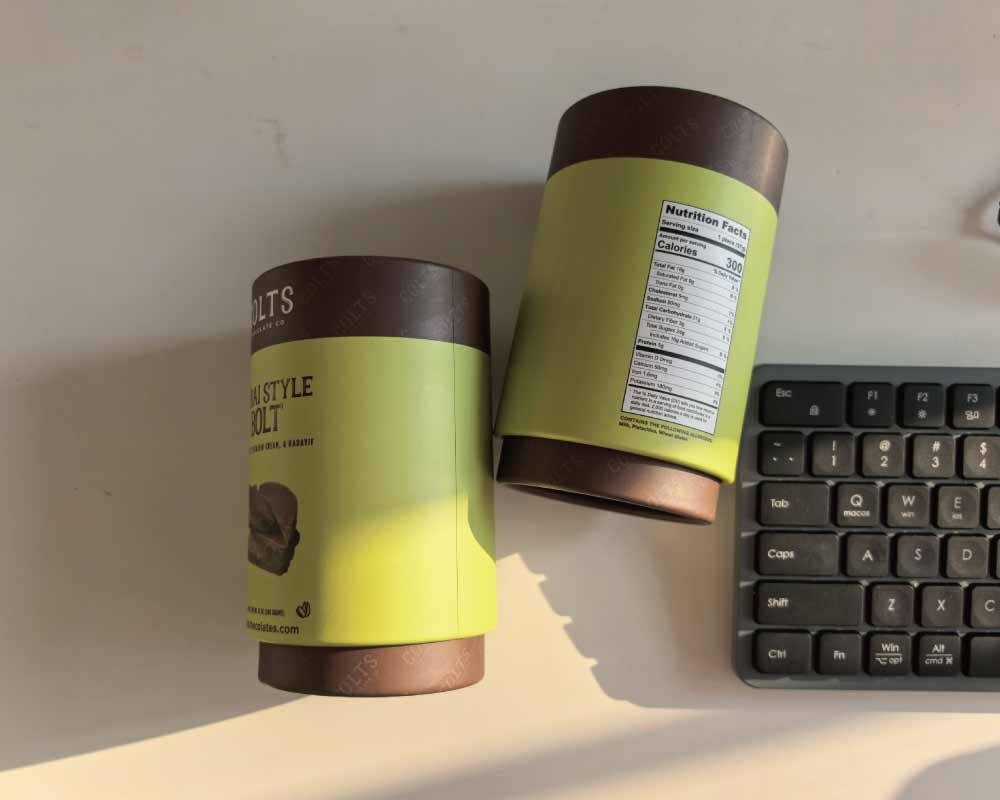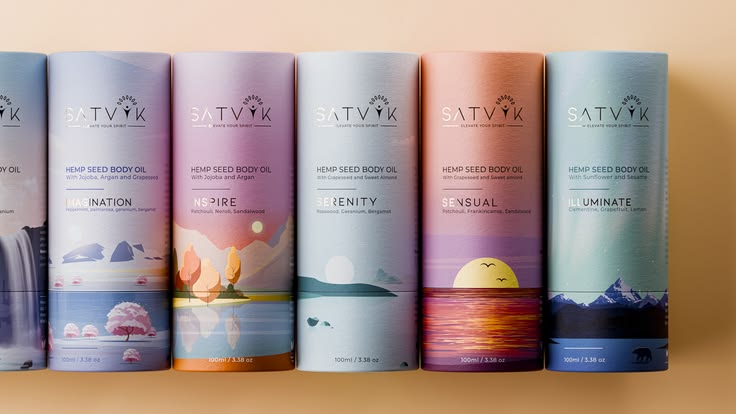
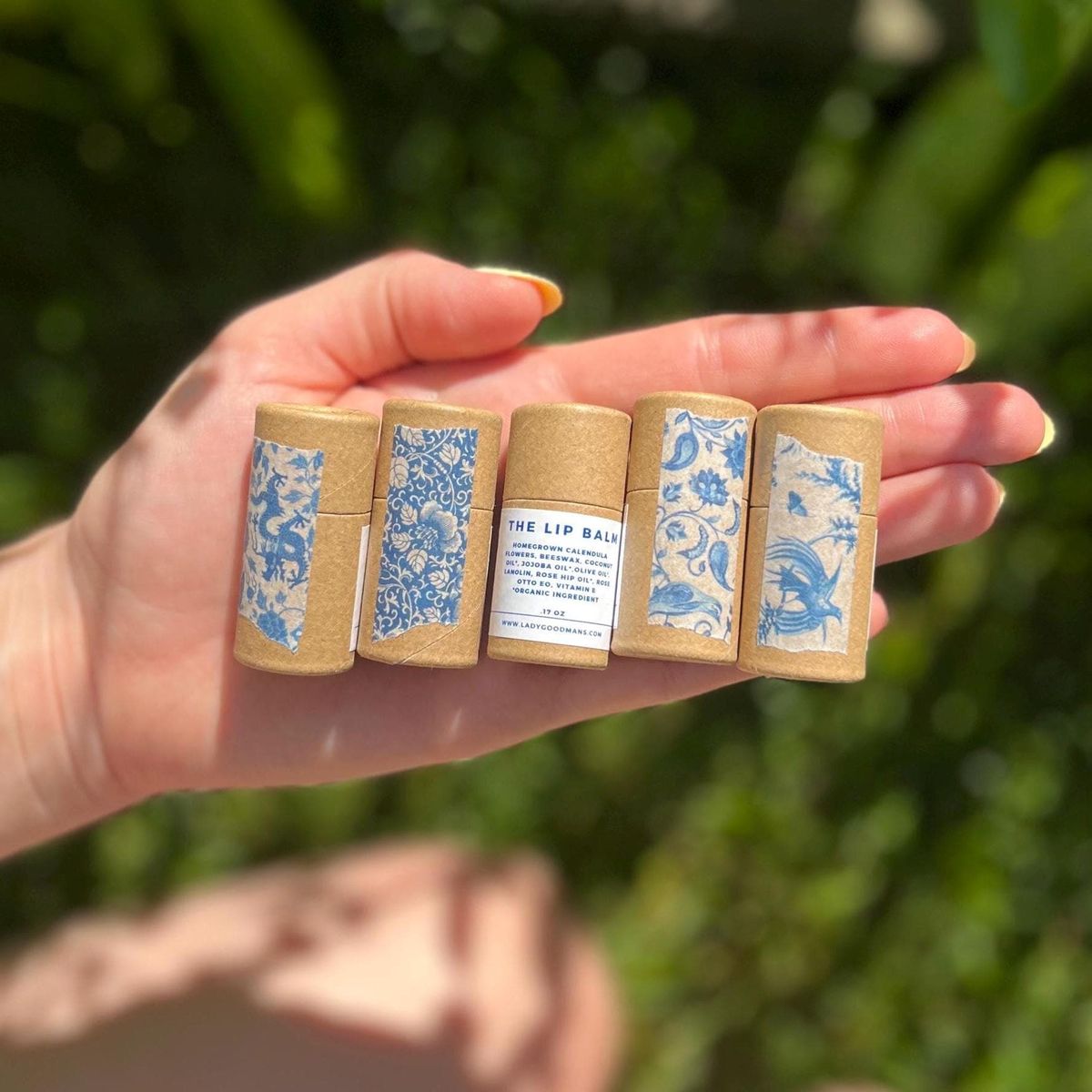
If you’re wondering how to choose lip balm packaging, the key is to know lip balm packaging is not just a design decision — it directly affects product stability, user experience, brand positioning, and long-term scalability.
Short answer:
The right packaging depends on how well it aligns with your product formula, brand identity, target market, and future growth plans.
Many brands focus only on appearance or cost, but in reality, packaging is a system decision, not a single choice.
1. Start with Your Product Formula When Choosing Lip Balm Packaging
Before how to select lip balm packaging, you need to understand your product.
Lip balm packaging must be compatible with the product formula to ensure stability, usability, and shelf performance.
Key factors to evaluate:
- Texture (soft vs firm)
- Melting point (heat sensitivity)
- Oil content (risk of leakage or absorption)
Why it matters:
- Soft formulas may deform in weaker structures
- Heat-sensitive products require protective design
- Oil-rich balms need barrier lining to prevent leakage
A packaging solution that works for one formula may not work for another.
For paper lip balm tubes, formula compatibility is particularly important. Oil-rich formulas may require a stronger barrier liner, while filling temperature can also affect the liner, adhesive and paper structure. For a new formula, testing the actual balm in the packaging sample before mass production is recommended.
If a paper-based push-up format fits your formula and brand direction, explore our push-up lip balm paper tubes for size, liner, cap and customization options. Or explore lip balm tubes guide on more detials.
2. Understand Your Packaging Options
Common lip balm packaging types include:
- Plastic Twist-Up Tubes
Familiar user experience and precise twist control. Suitable for brands prioritizing convenience and established filling systems, but uses more conventional plastic. - Paper Push-Up Tubes
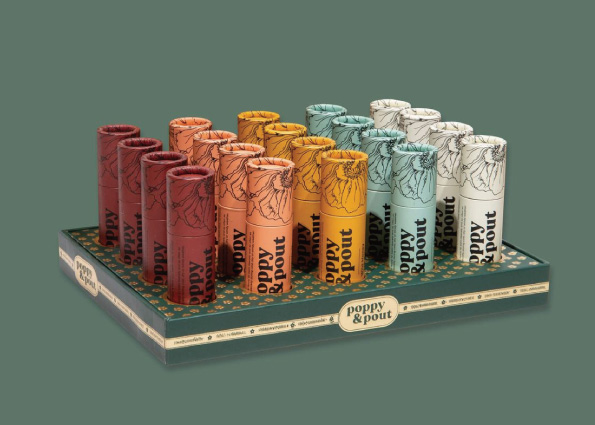
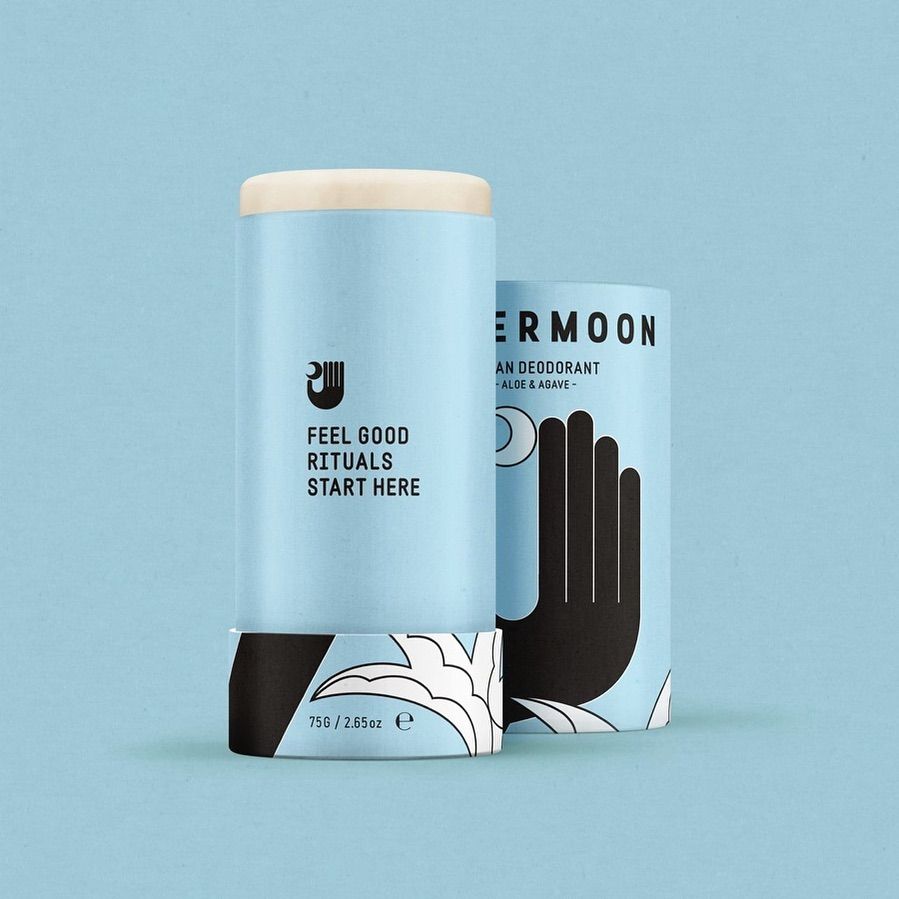
The product is pushed upward from the bottom with a paper disc. Suitable for brands looking to reduce plastic and create a natural paper-based presentation. Push resistance and liner compatibility need to be properly controlled. - Metal Tins / Containers
Durable and reusable, but the balm is normally applied with a finger rather than directly from the package. - Paper Twist-Up Tubes
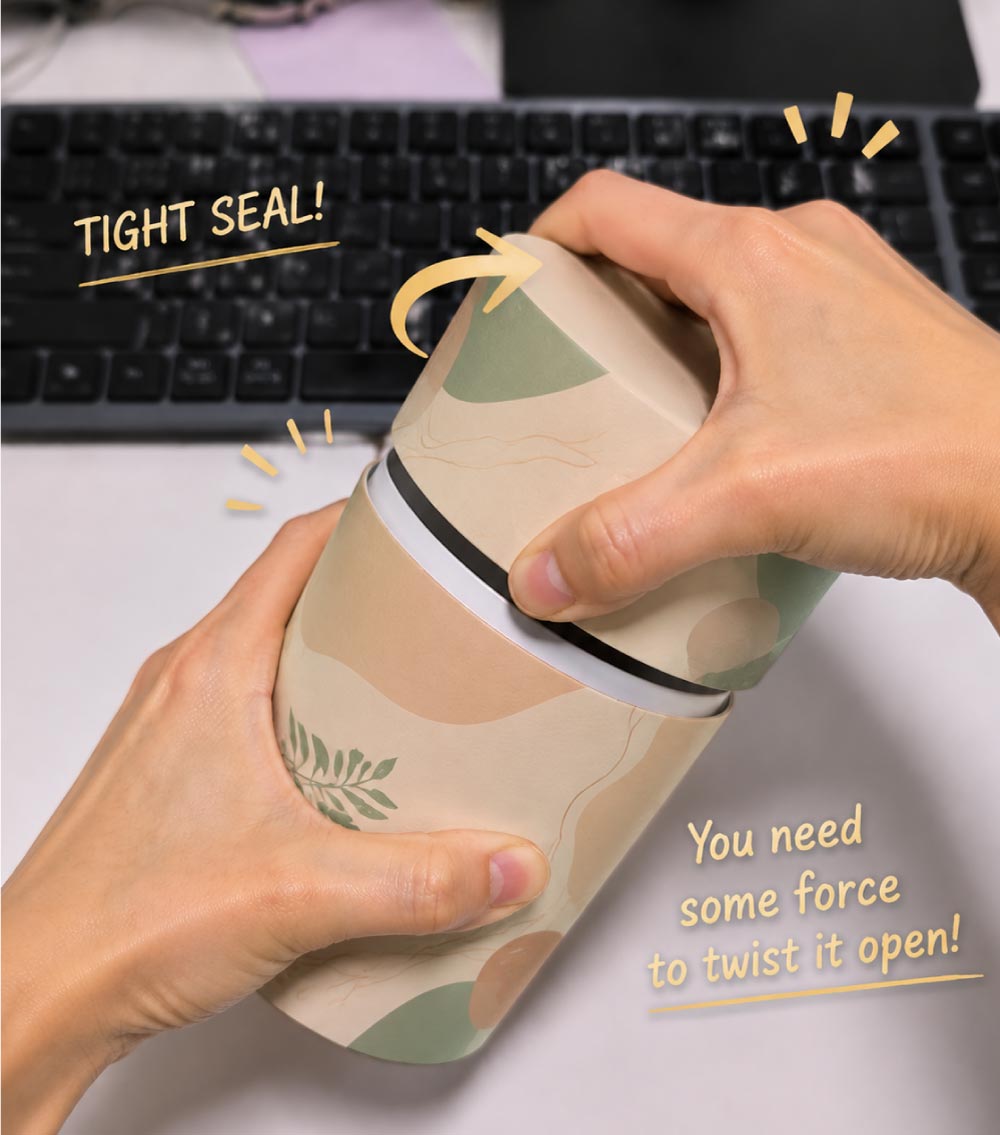
Provides a more familiar twisting experience while maintaining a paper-based exterior. The structure is more complex and generally costs more than a simple push-up tube. It is popular but lack of open molds, so customization is very high on cost.
Each packaging type involves trade-offs between sustainability, cost, user experience, and brand perception.
Quick comparison:
| Type | Strength | Limitation |
|---|---|---|
| Paper Tube | Sustainable, premium feel | Heat sensitivity |
| Plastic Tube | Cost-efficient, familiar | Weak sustainability perception |
| Metal Container | Durable, protective | Less convenient for application |
The goal is not to choose the “best” option — but the one that best fits your product and brand.
3. Sustainability & Brand Positioning
Sustainability goals can affect the choice of tube material, liner, coating, printing and surface finish. However, “eco-friendly” can mean different things—from reducing plastic to using recyclable or fully biodegradable materials.
If sustainability is one of the main priorities of your project, see our guide to choosing eco-friendly lip balm packaging.
Packaging plays a critical role in how consumers perceive a brand’s environmental responsibility.
Key considerations:
- Material origin (renewable vs fossil-based)
- Recyclability
- Consumer expectations
Many consumers, especially in European markets, prefer brands that use paper-based or recyclable packaging.
Sustainability is not just about materials — it’s about trust, positioning, and long-term relevance.

4. User Experience & Functionality
Even the most sustainable packaging can fail if it’s not user-friendly.
Packaging usability directly impacts customer satisfaction, product perception, and repeat purchases.
Questions to ask:
- Is it easy to apply?
- Does the mechanism feel smooth and reliable?
- Is it intuitive for first-time users?
Example:
- Push-up paper tubes → Simple structure with fewer components. Users push the product upward manually from the bottom.
- Twist-up tubes → The product rises by rotating the base, providing a more familiar and controlled dispensing experience.
Neither structure is automatically better. The choice depends on target price, sustainability goals, desired user experience and brand positioning.
5. Cost vs Brand Value
Cost is important, but it should not be the only factor.
Lower-cost packaging may reduce initial expenses, but higher-value packaging can significantly enhance brand perception and justify premium pricing.
Cost factors include:
- Tube diameter and height
- Packaging structure
- Paper and liner
- Order quantity
- CMYK or Pantone printing
- Foil stamping and other finishes
- Special structural requirements
- Sampling and setup requirements
When comparing quotations, make sure the suppliers are quoting the same structure, materials and finishing specifications.
Cheaper packaging can sometimes result in higher long-term costs due to weaker brand positioning.
6. Scalability & Long-Term Growth
As your brand grows, packaging requirements change.
“Packaging should be evaluated based on its ability to support consistent quality and scalability over time.”
Key questions:
- Can production scale efficiently?
- Is quality consistent across batches?
- Can the packaging support multiple SKUs?
As brands move from small batches to retail distribution, packaging consistency becomes critical. For brands with multiple SKUs, also consider whether the same tube size can be shared across products and how color consistency will be controlled between different designs or production batches.
7. When Paper Tube Packaging Is the Right Choice
Paper tube packaging is worth considering when:
- Reducing plastic is part of the packaging goal.
- The product is a solid balm suitable for push-up or twist-up dispensing.
- A natural paper texture supports the brand identity.
- Custom printing and paper finishes are important.
- The formula has been tested with the selected liner.
- The filling process is compatible with the packaging materials.
Paper tube packaging is ideal for brands seeking sustainability, differentiation, and a more tactile user experience.
8. Common Mistakes to Avoid
Many brands make these mistakes:
- Focusing only on cost
- Ignoring product compatibility
- Overlooking user experience
- Making short-term decisions
Packaging decisions that ignore long-term brand impact often lead to costly redesigns.
For more examples, see 5 Common Lip Balm Packaging Mistakes Brands Must Avoid.
9. Lip Balm Packaging Selection Checklist
Before choosing your packaging, confirm:
Product
- What is the filling volume?
- Is the formula hard, soft or oil-rich?
- What is the filling temperature?
Structure
- Push-up or twist-up?
- What diameter and height are suitable?
- What liner is required?
Branding
- Natural kraft or printed paper?
- CMYK or Pantone?
- Foil, embossing or other finishes?
Sustainability
- Reduce plastic, recyclable or biodegradable?
- Is lamination acceptable?
- What liner matches this goal?
Production
- What is the MOQ?
- Has the actual formula been tested?
- Can the supplier maintain consistency across future orders?
Once these questions are clear, it becomes much easier to compare packaging options and communicate with your manufacturer.
The best packaging choice is the one that aligns product performance, brand positioning, and long-term strategy.
Conclusion
Choosing lip balm packaging is not about selecting a container — it’s about building a consistent product and brand experience.
Knowing how to choose the right lip balm packaging helps brands avoid costly mistakes and create a stronger, more scalable brand.
👉 Explore Custom Paper Tube Solutions
👉 Talk to Our Packaging Team